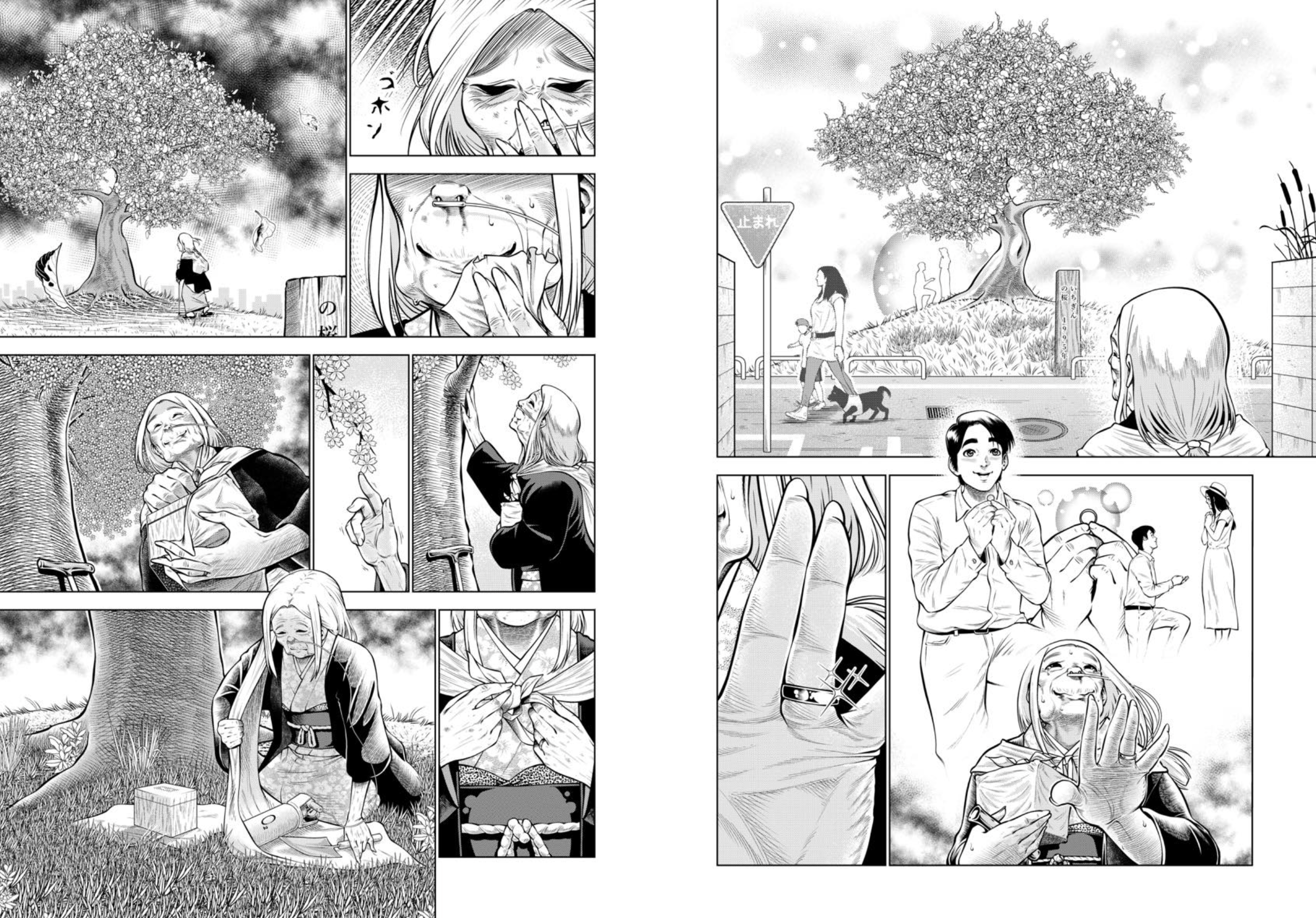
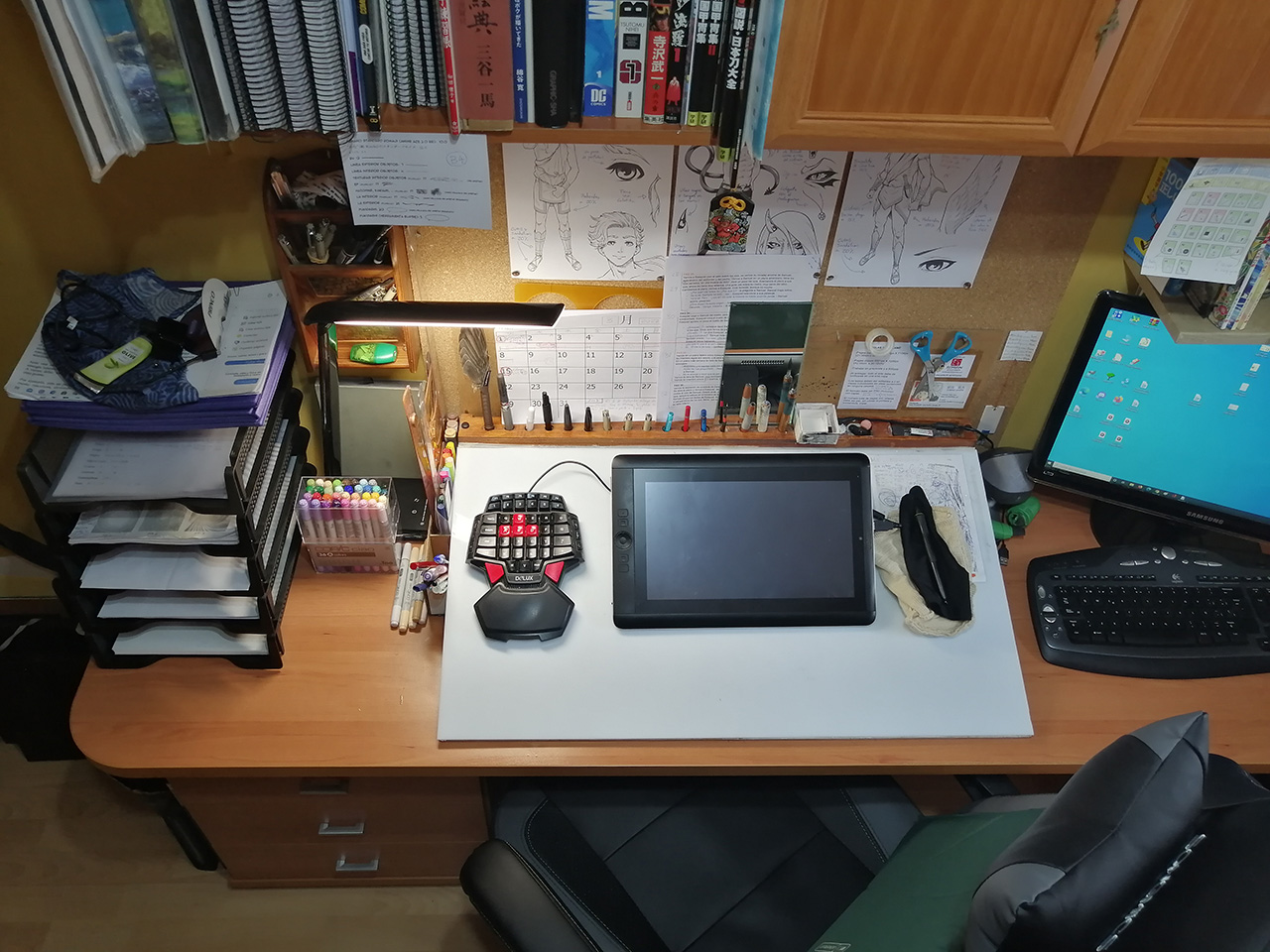
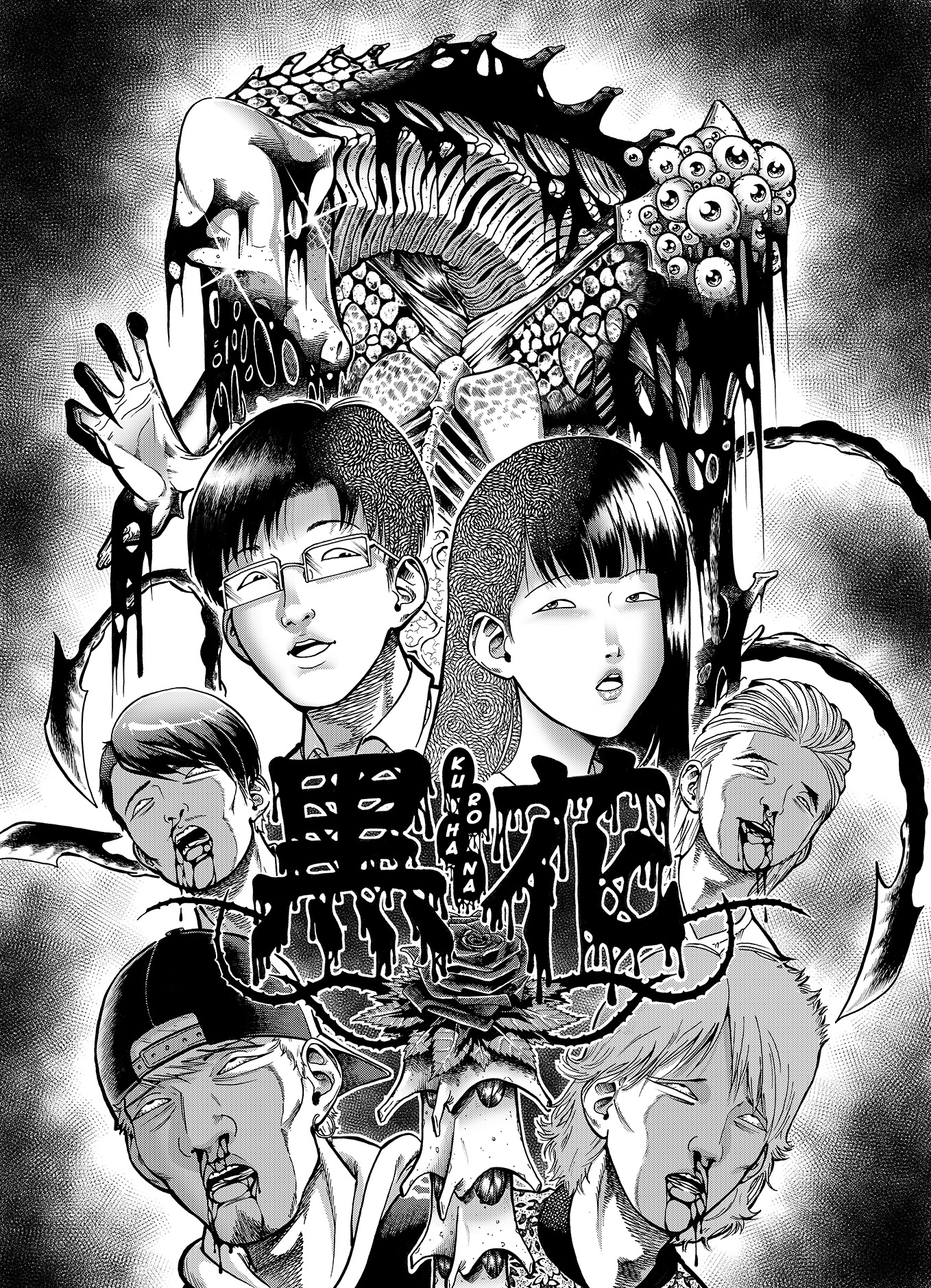
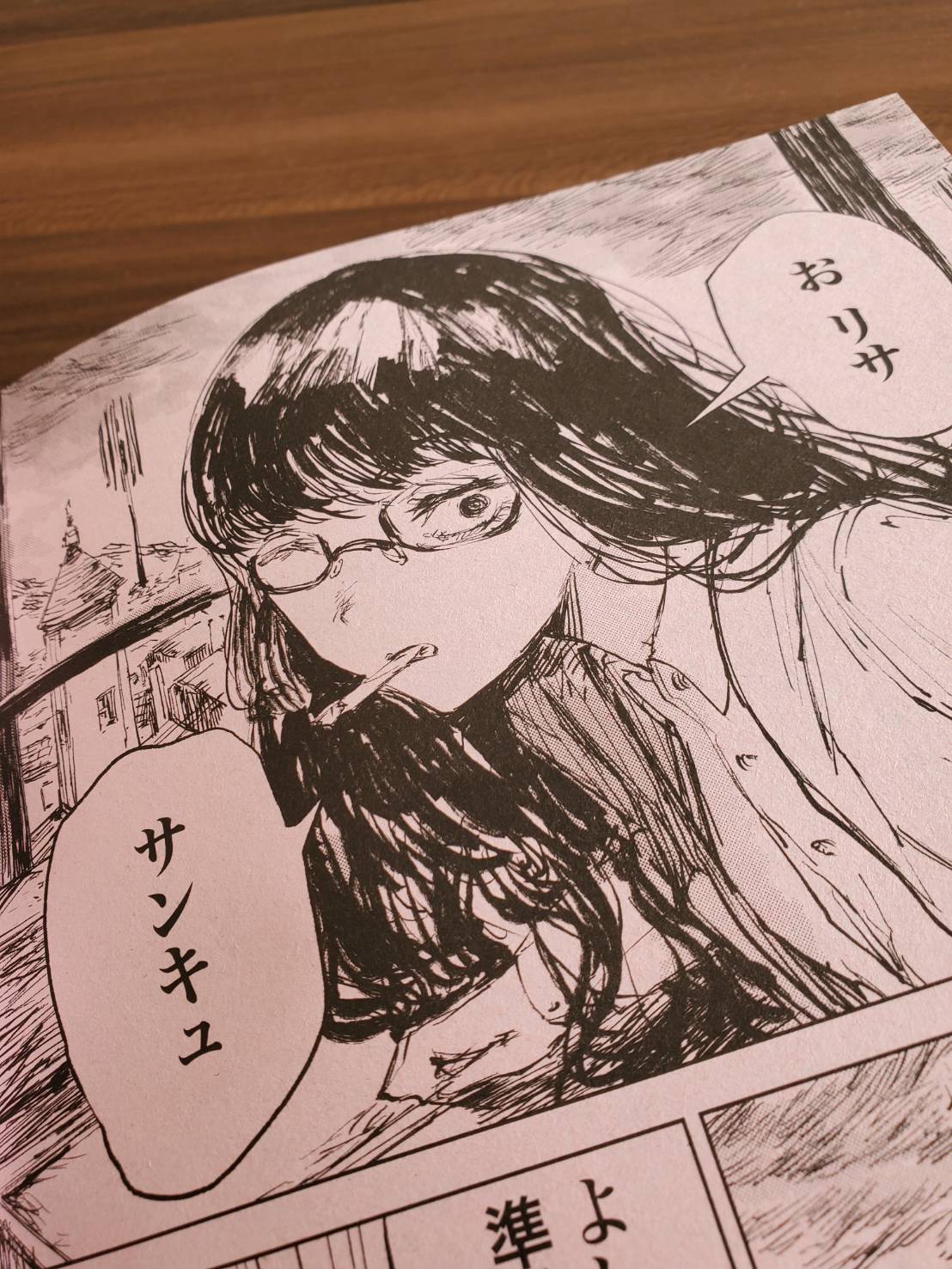
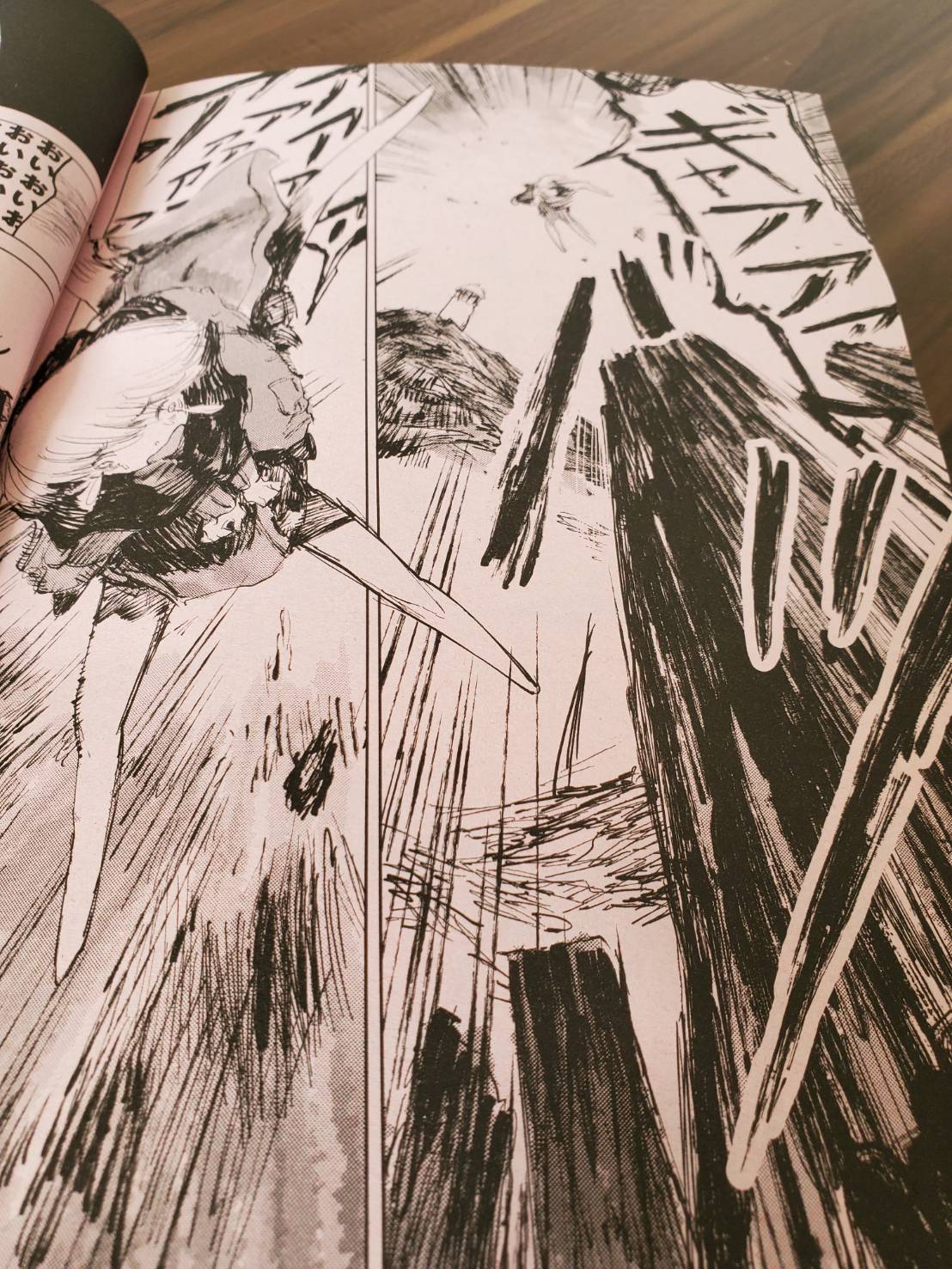
Name: Ichigin Age: 27 Country: Spain Favorite manga:Inuyasha and BleachFavorite movie:Back to the Future Part IIFavorite quote: “Now tomorrow seems scary but the next week you will see it as something far away.” Entry title: 坂道リメンバー(An Uphill Road to Remember)Round:SMA16 “Moments of FEAR, JOY, or LOVE”Award: Excellence Award
“The true heart of a story is the plot!”
About SMA
How does it feel to win a SILENT MANGA AUDITION® award? It is a moment that fills you with illusion and hope. Not only have you won an important contest in the birthplace of manga, but renowned mangaka have recognized your work. That means that becoming a mangaka is not just a dream and that you are on the right path. In addition, people from all over the world can enjoy your work and vice versa. It is something wonderful.
What was the inspiration behind your awarded work? So far I was creating manga that didn’t interest me personally since I drew them for the reader, but being a little selfish I chose to do something that really moved me, because if the author doesn’t identify with his work, how are readers going to do it? A few months ago my grandfather passed away and I was moved thinking about what my grandmother must be feeling (who also passed away shortly after I won an award in SMA16). I feel that I have only been able to express 45% of what was in my head so I am not really happy with the work. It makes me see that I still have a lot to learn.
What challenges did you face while making your manga? How did you overcome them? The main challenge was to combine the present and past scenes without losing the understanding of the plot. I was also worried that the entrance and exit of the flashbacks would always be the same and boring to watch. The way to solve it was… invest more time to think well about how I wanted to do it haha.
How and when did you start making manga? Any advice for beginners? I started drawing manga to imitate the stories that I loved so much about katanas and spiritual powers. I drew my first serious manga when I was 13 years old and it had 21 pages. After that I haven’t stopped and from the end of 2016 when I met my master Toshio my level really went through the roof. One piece of advice for beginners is to never start learning manga digitally. It is very important that you practice techniques such as hatching or kakiami in a traditional way. Another tip would be that before you start drawing pages take enough time to understand how to use the genkōyoshi and basic rules like introducing the readers with general panels instead of going into specific details directly.
Do you draw your manga digitally or by hand? What are your go-to digital or analogue tools? I started by hand and in fact I still like scratching the pen against the paper better but the digital way allows you to create faster and with higher quality, something vital to make a living from manga professionally.
What was the first manga you picked up? Before I had already seen some manga from classmates, but the first one I personally went to buy was volume 9 of ONE PIECE (Arlong vs. Luffy) when I was 9 or 10 years old. I remember that I didn’t even know that manga was read backwards compared to European books and I started reading it from the end… I’m still embarrassed haha.
Which manga changed your life? More than manga I would say anime. For me, Inuyasha’s story was the one that made me fall in love with Japan and everything that has to do with the country. Its culture, landscapes, legends, people, swords… I’ve even cried once after waking up from a dream where I was finally in Japan due to the anger of having to leave its movie landscapes. Thanks to Inuyasha, from a very young age I knew that my future was in Japan and today my wife is Japanese and as soon as I can I will move there to live with her finally.
Which manga character do you most identify with? Why? Definitely with Mashiro Moritaka from Bakuman. Before entering the world of manga and Japan, there weren’t too many things that interested me. I wasn’t interested in talking about football, cars, nightclubs… so a wide world opened up to me with manga. But apart from that trait, what I identify with the most is his aspiration to become a professional manga artist and his relationship with Miho Azuki, the protagonist. In the manga, they must be separated for several years until they fulfill their dreams and get married in order to finally be together. Like them, I have been away from my wife for more than 2 years because of the restrictions between countries and while the only thing we can both do is improve in our respective areas so that when we can meet we will have a more stable future.
What kind of manga do you want to make next? Although it is not the professional way of thinking, I would like to do something selfish and draw the kind of story composed of the elements that amaze me the most. Something full of grotesque creatures, demons, gods and katanas with incredible powers. Of course the plot would unfold in feudal Japan. Something that I would also love to draw would be a Blame or Ghost in the shell style theme. Sci-fi filled with robots and people with mechanical prosthetics embarking on journeys through a cyberpunk universe. But being more realistic, the most sensible thing is to continue with dramas of everyday life with touches of humor so that the reader feels easily identified.
About Ichigin
What do you do when you’re not making manga? How do you relax? Well, if I’m not drawing manga I’m working on my other jobs or improving my Japanese so… haha. But when I really want to relax under the blinds, I grab a blanket and put on a good movie or read a novel. Walking also helps me a lot but the truth is that I don’t usually have more than a couple of free hours a day normally.
What industry do you work in (if manga making isn’t your primary job?) I am currently giving manga classes at a drawing academy. There I also give Japanese language lessons up to level N3-N2. On the other hand, I also work on a story for a Spanish publisher, although my goal is to debut in Japan and work there as a manga creator.
Where do you see your manga career in 5 years’ time? In Japan, without a doubt.
What manga making advice would you give to your younger self if you could? I would tell him to become a politician and earn a lot of money without working at all hahaha. Just kidding, I would tell him to stop drawing stupidly and take some time to learn the basics by watching shows like Urasawa Naoki’s “Manben” or “Jump Ryu” documentaries and video tutorials from the SILENT MANGA AUDITION® community. I have really learned a lot of key facts about how to create manga with them.
What advice would you give to people entering the SILENT MANGA AUDITION®? First of all, I would like to advise them to watch as many video tutorials from the SILENT MANGA AUDITION® community as they can. But seeing them is not enough. They should really internalize what is explained in those videos because they are the most essential keys of Japanese manga. I’d also like to tell them to make sure they read the size, weight, and page limit requirements for the contest before they even plan the story. Finally, I would like to tell them that a nice drawing gives a lot of points but the true heart of a story is the plot and the way it is built so I would like them to pay special attention to this part.
Thank you, Ichigin! We’re eagerly expecting your future masterpieces and hope that thinking about entering SMA18 makes your heart brimming with AFFECTION!
You have time until August1st to WOW the judges and have a chance to develop your potential as a manga creator with us in Japan!
Finnish MasterClass Enewald's awarded manga printed in Japan!
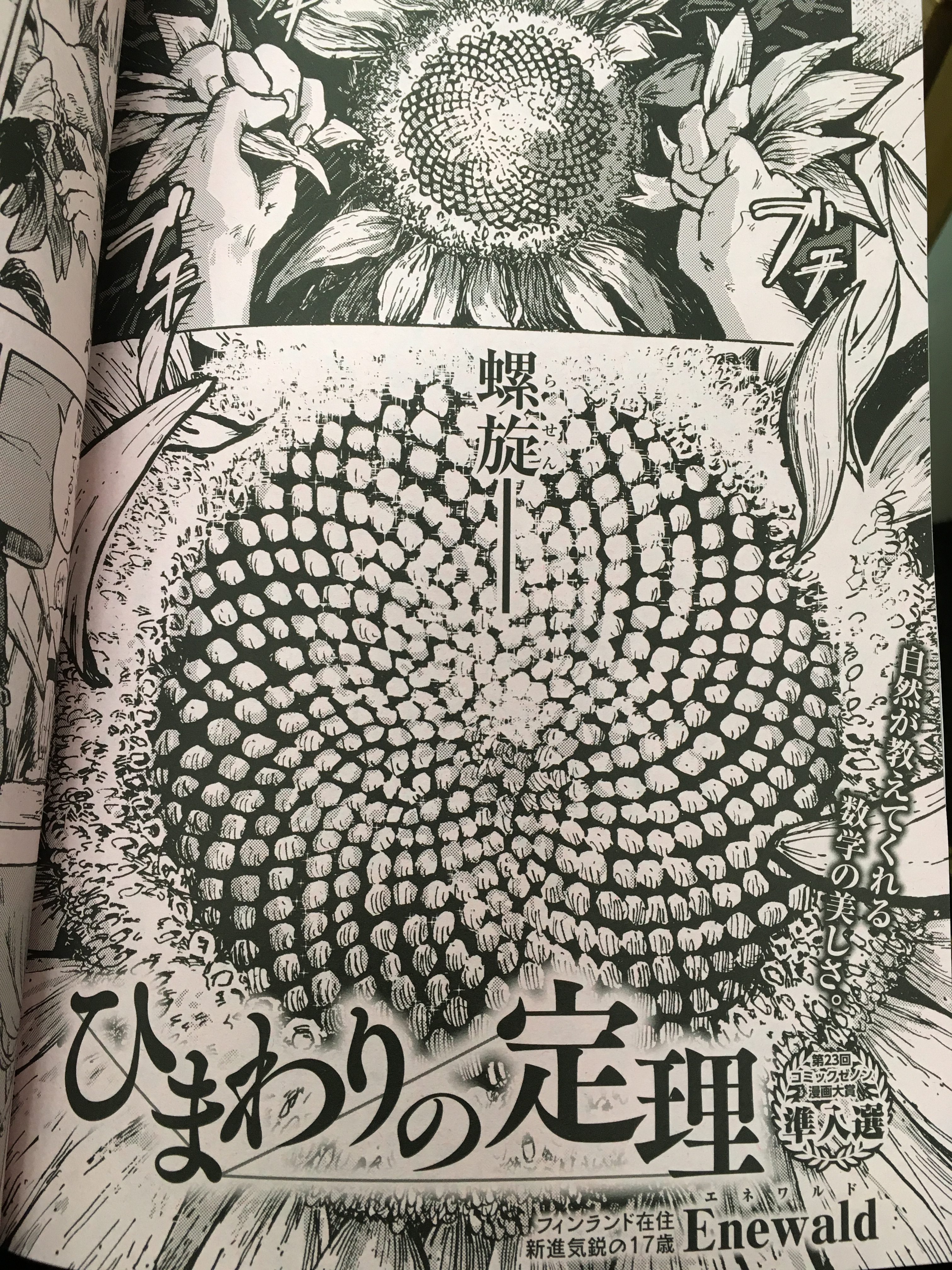
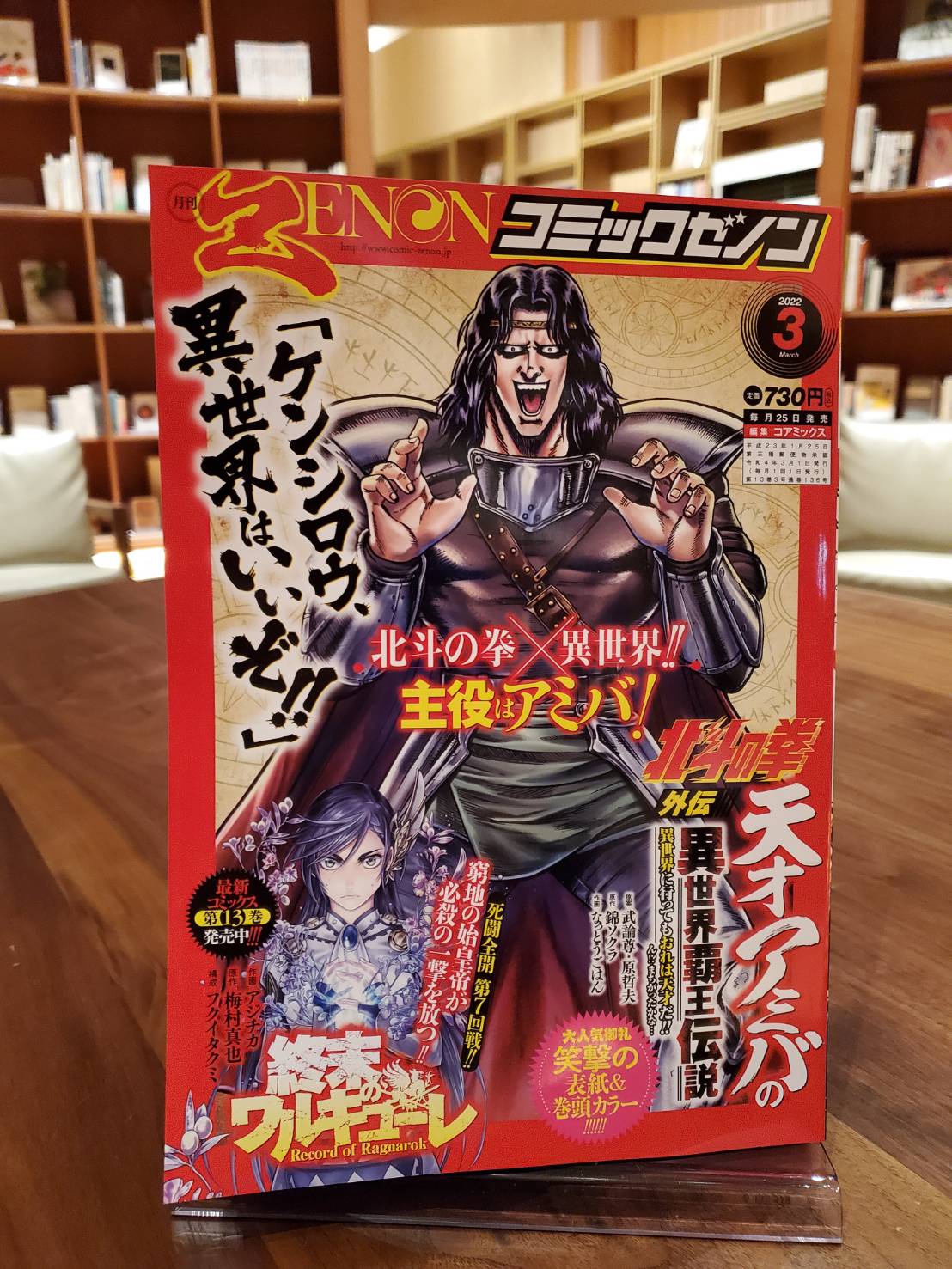
New MasterClass member Enewaldhas been published in the Japanese manga magazine “Monthly Comic ZENON” after receiving the top award in Monthly Comic ZENON’s 23rd Manga Taisho manga contest! Enewald is the second MasterClass member to do so after Australian MasterClass member monotone_ink, who’s recent award winning manga was also published in Monthly Comic ZENON. Manga Taisho is Comic ZENON’s oldest contest where Japanese newcomers can prove themselves DIRECTLY to their future fans with a 39 page entry. It’s not only judged by manga legends such as Tsukasa Hojo-sensei and Tetsuo Hara-sensei, but also by booksellers and the general public. Enewald’s touching entry “The Sunflower Theorem” (Japanese title: Himawari no Teiri) received the top award of this round, allowing the Finnish creator to have their work published in the latest issue of Monthly Comic ZENON.
The following is a comment from Comic ZENON’s 23rd Manga Taisho special judge Homura Kawamoto-sensei (writer of The War of Greedy Witches etc.) regarding Enewald’s entry:
The expressions that were conveyed throughout the manga were superb. It was vastly enjoyable to read, due the fact that just one expression, such as an innocent, happy face or a face in despair, lets you understand 120% of the situation. I thought the manga could be even better if the theme of “mathematics” was more involved in the main theme of “friends” during the last scene.
“The Sunflower Theorem” tells the story of Noe, a very special girl with a great passion for math and the ability to see it in the beauty of nature and daily life. For this reason, Noe doesn’t have many friends that can understand her, but this doesn’t bother the young girl as long she has her beloved numbers with her. However, everything will change for Noe once a new classmate, Maika, arrives to math class…
A page from “The Sunflower Theorem” – go to the bottom of this article to read the English version of this manga!
In the latest Monthly Comic ZENON, a special illustration and exclusive interview with fresh, new talent Enewald was featured in the issue, which we have translated!
1. What are your feelings towards your award?
I’m shocked, but happy! It’s like a dream that my manga was chosen to receive an award. I’m too happy.
2. What made you decide to enter Manga Taisho?
My editor first told me about Manga Taisho. I had never drawn a manga with dialogue, and wanted to join the contest as a challenge.
3. What was the inspiration behind your entry?
Actually, I drew from a lot of my past experiences. In my hometown there’s a sunflower field, an old school in the countryside, and I even had a math showdown with a classmate. It ended with us in a draw (laughs).
4. What was the hardest part in drawing this entry?
Definitely it was the sunflower seeds. I tried out different ways of drawing them until I was satisfied with one. Drawing the backgrounds was also difficult.
5. What’s your favorite part of the manga?
Personally, I like the scene where Noe goes to the sunflower field and the scene where she sits across from Maika right before the math showdown. I also enjoyed applying the screen tones to show the lighting effects.
6. Please tell us what manga you are reading recently.
Lately I’ve been reading Vinland Saga, Land of the Lustrous, and Golden Kamui.
7. What kind of manga do you want to create next?
I haven’t decided, but for now I want to draw a lot of manga!
8. Please leave a message for our readers.
I am full of gratitude and respect if you are not good at math and still read my manga! I will do my best to deliver other works to you from now on. I hope you enjoyed “The Sunflower Theorem!”
Enewald’s work is only one of the manga created by the SMA MasterClass that won an award in Monthly Comic ZENON’s manga awards; with the support of the SMA Editorial Department, the MasterClass members are showing year after year their potential to the Japanese readers.
“The Sunflower Theorem” and “My Friend Mana” have also been published IN JAPANESE on the Monthly Comic ZENON website! Take a look and leave a comment to support Enewald and monotone_ink by clicking the banners below❤️
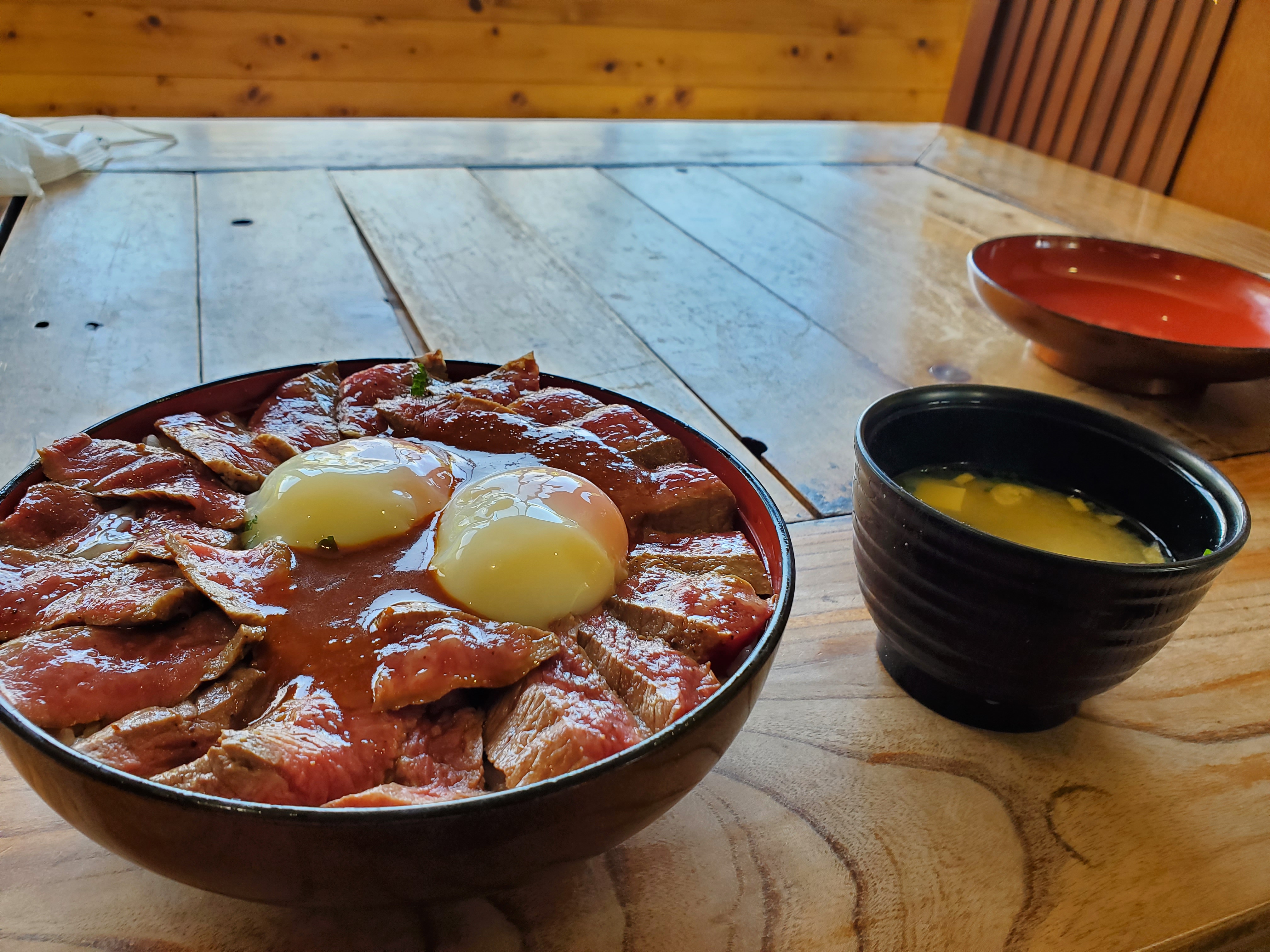
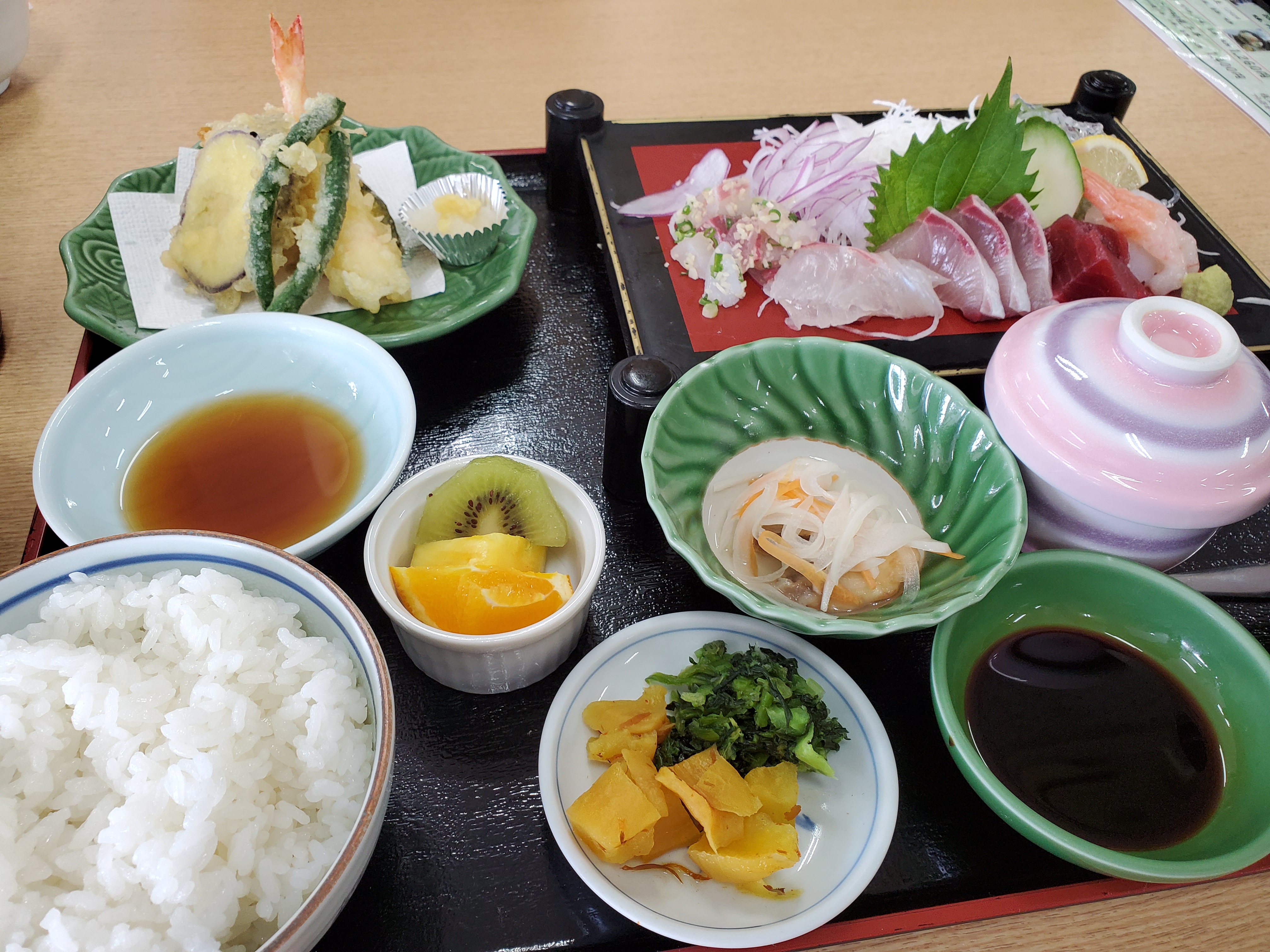
The Kumamoto Reporter #08 – The Tastes of Kyushu Hey SMA community! Last time we took a peek into the fantastical world of Kumamoto’s legends and infamous “Yokai,” or Japanese spirits. This time we’ll learn about another magical part of Kumamoto Prefecture and Kyushu: the food! Hope you guys are feeling hungry, we’re about to go on a food tasting trip across Kyushu to discover the most delectable specialties of each prefecture.Kumamoto: BasashiBasashi is a combination of the Japanese kanji for horse, which can be read as “Ba” and “sashimi” which is slices of raw fish served with soy sauce, wasabi, and ginger. Yup, that’s right; Basashi is slices of raw horse meat. There’s many speculations as to why it became a Kumamoto specialty, but one story tells of when samurai were forced to eat their horses when under siege in a castle. Served cold and with soy sauce like sashimi, Basashi is tender and sweet, similar to beef. If you’re hesitant to try Basashi, don’t worry; other famous Kumamoto tastes are Karashi Renkon (mustard lotus root), Japanese brown beef from Aso, Kumamoto ramen, and a Chinese-based noodle dish called Taipien.
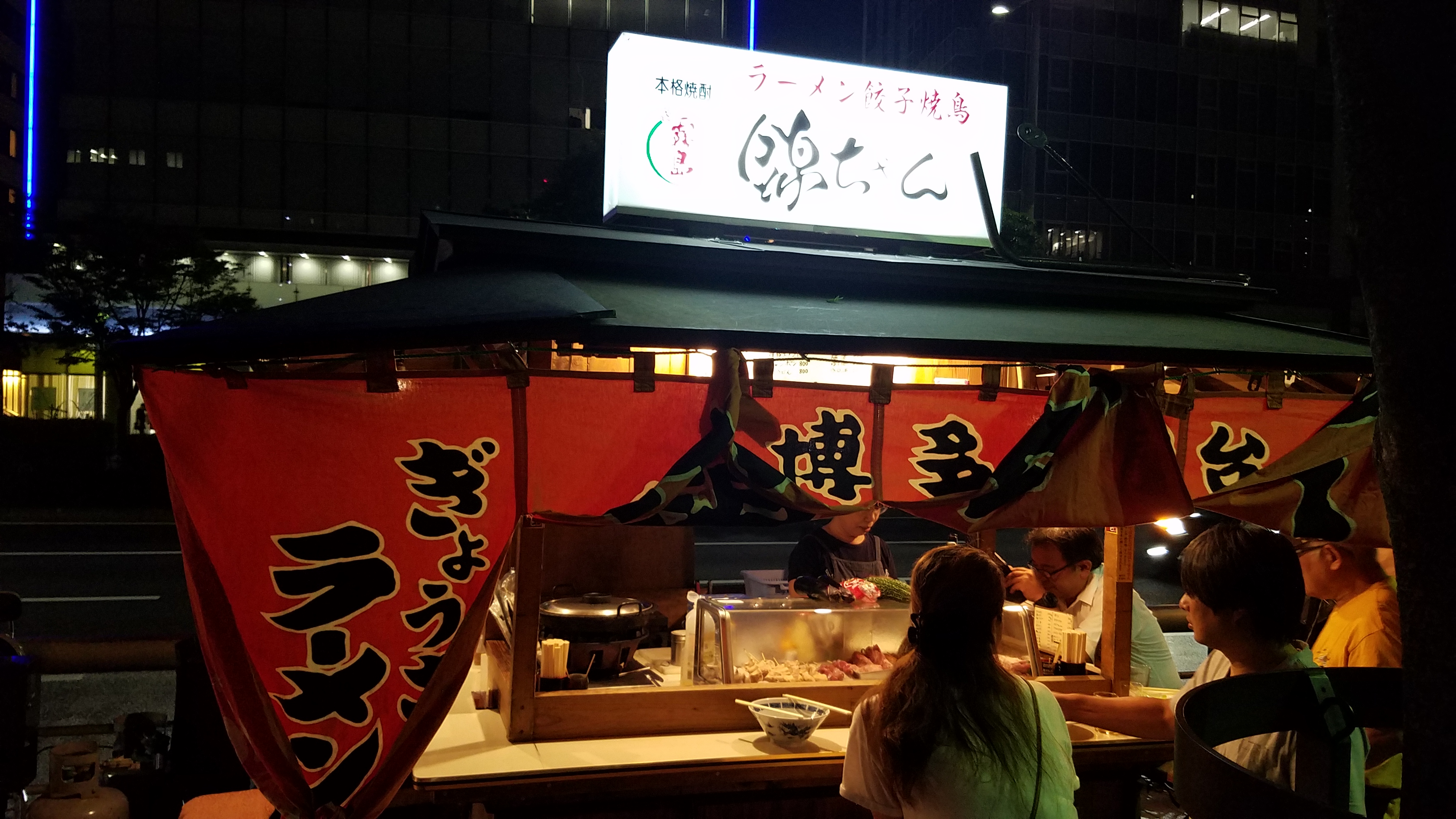
Fukuoka: Hakata RamenWhen people think of Kyushu ramen, they think of Hakata ramen! Served with a creamy pork bone based broth, Hakata ramen’s signature style is its thin noodles. It usually comes with thin slices of pork and chopped green onions, but if you’re feeling in the mood for some variety you can also add a hard boiled egg, wood ear mushrooms, pickled ginger root, garlic, bean sprouts, sesame seeds, or more. The Hakata and Tenjin districts of Fukuoka City are also known for their late night food stalls called “Yatai,” and a hot pot dish made with pork tripe is also a famous Fukuoka speciality.
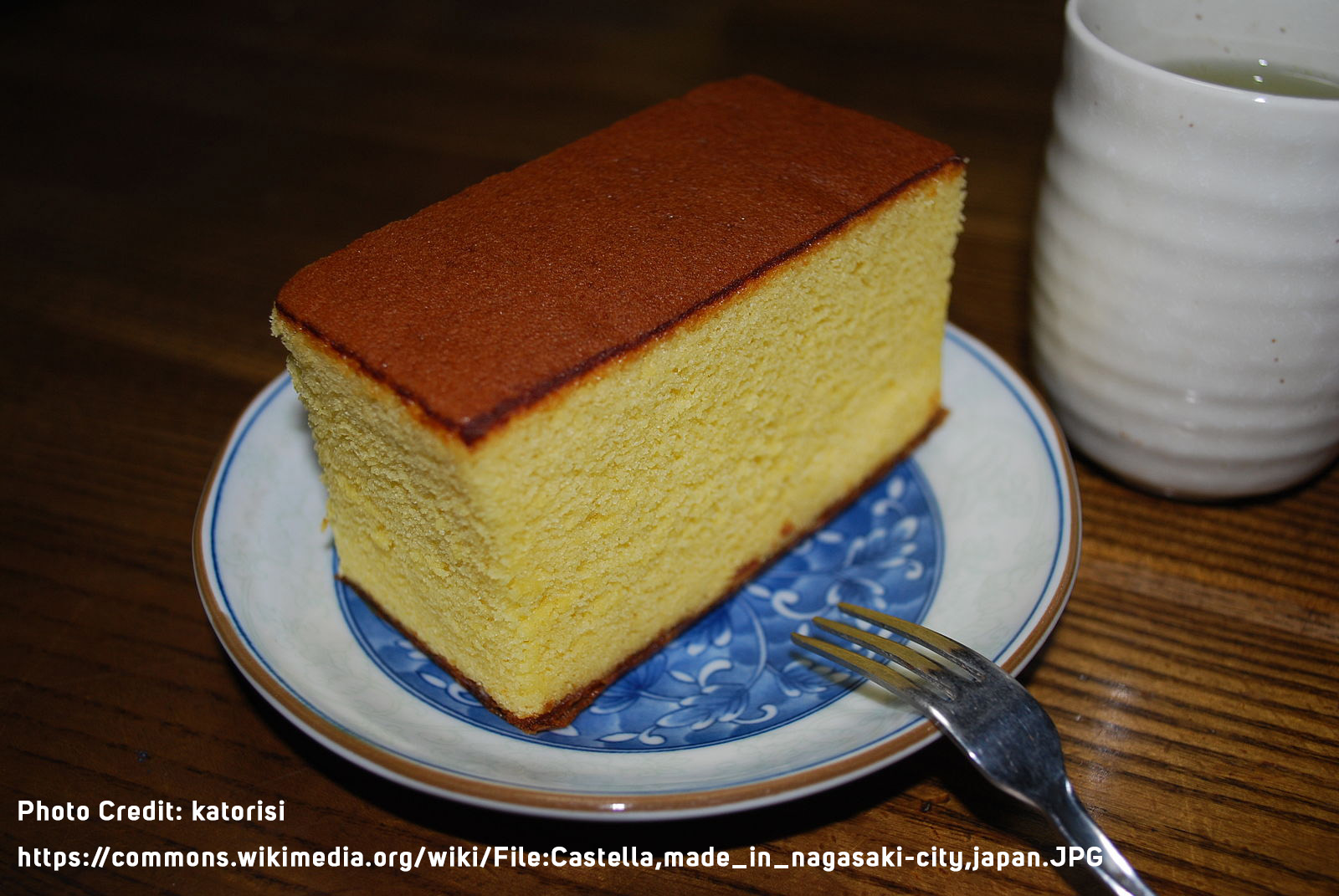
Nagasaki: ChamponMORE noodles! Champon is made by frying pork, seafood, and vegetables together, and then boiling it all together in soup with a special type of ramen noodle. It’s inspired by Chinese food, which is only natural since Nagasaki has its own Chinatown and deep history with Chinese trade. If you do make your way to the oldest Chinatown in Japan, you can enjoy Chinese food with a Nagasaki twist and Nagasaki’s famous Turkish Rice dish. If you’re fiending for dessert afterward, be sure to try Nagasaki’s famous Castella cake!
Saga: Aritaware CurryAritaware Curry’s name has a double meaning; the curry is a special kind of Japanese curry that’s baked, which is then served in “Arita yakimono.” Arita yakimono is the Japanese name for Arita City’s pottery, which literally means “baked” or “burnt” thing in Japanese. Saga’s pottery is famous all over Japan, and often has pottery festivals where you can buy beautiful handcrafted pieces. But enough about pottery, back to the food! Some other famous tastes in Saga include Karatsu Burger, Kanzaki Soumen, boiled tofu, squid, and other seafood.
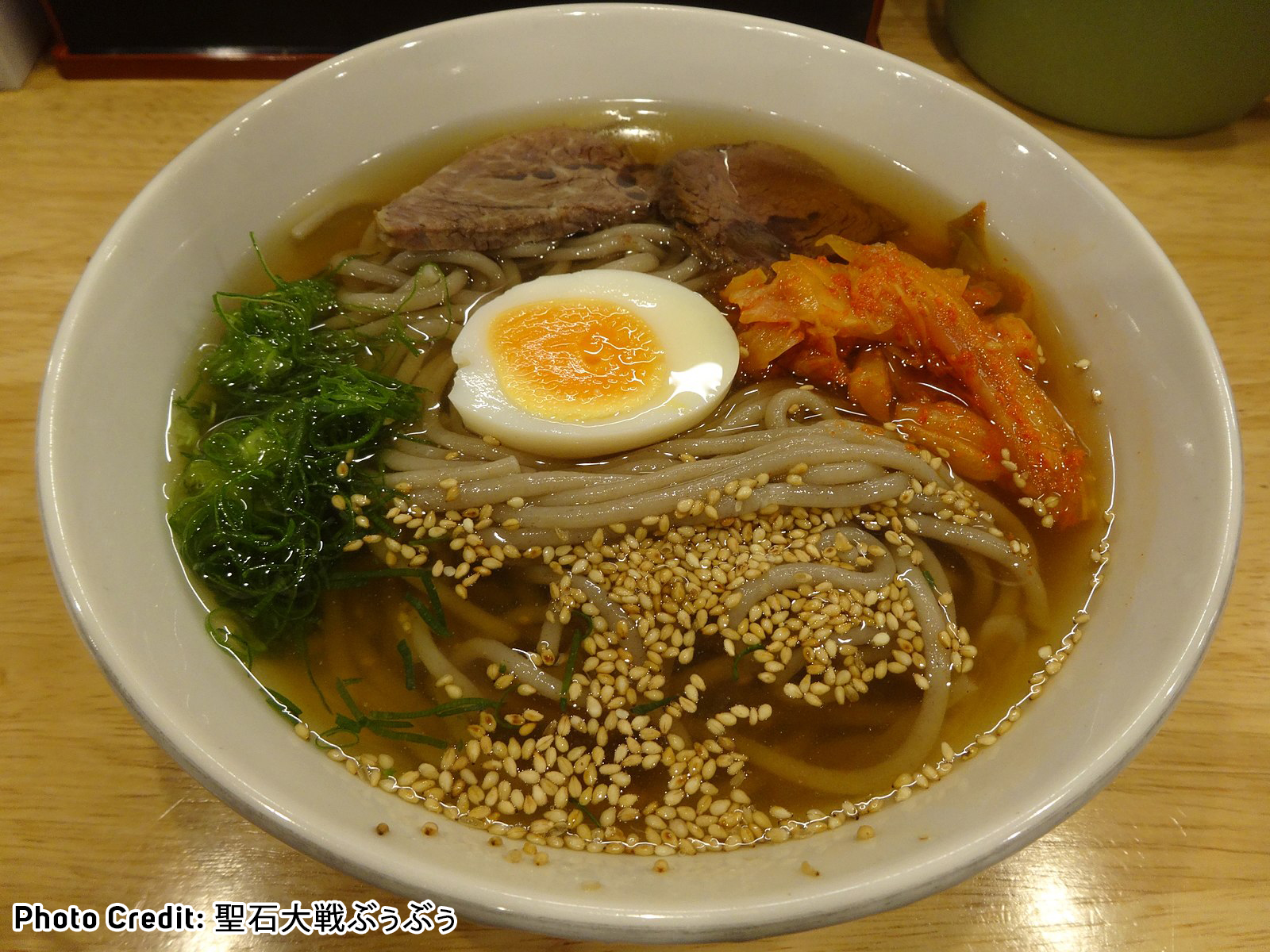
Oita: Dango JiruSoup for the soul! Dango Jiru is Oita’s unique spin on “Dago Jiru,” a healthy soup that is popular across Kyushu. Dango are round Japanese dumplings, but in Oita they are stretched out into the shape of noodles and cooked with chicken and vegetables in miso soup. “Jigoku Mushi” is another unique cuisine of Oita, and comes from Beppu’s “hells” or hot springs. Ingredients such as vegetables and eggs are placed in a small chamber and with a lid placed over them, and with time the steam from the hot springs cook the ingredients! Other famous tastes of Oita include tempura style fried chicken, Reimen (cold noodles), and Hyugadon, which is tuna over rice.
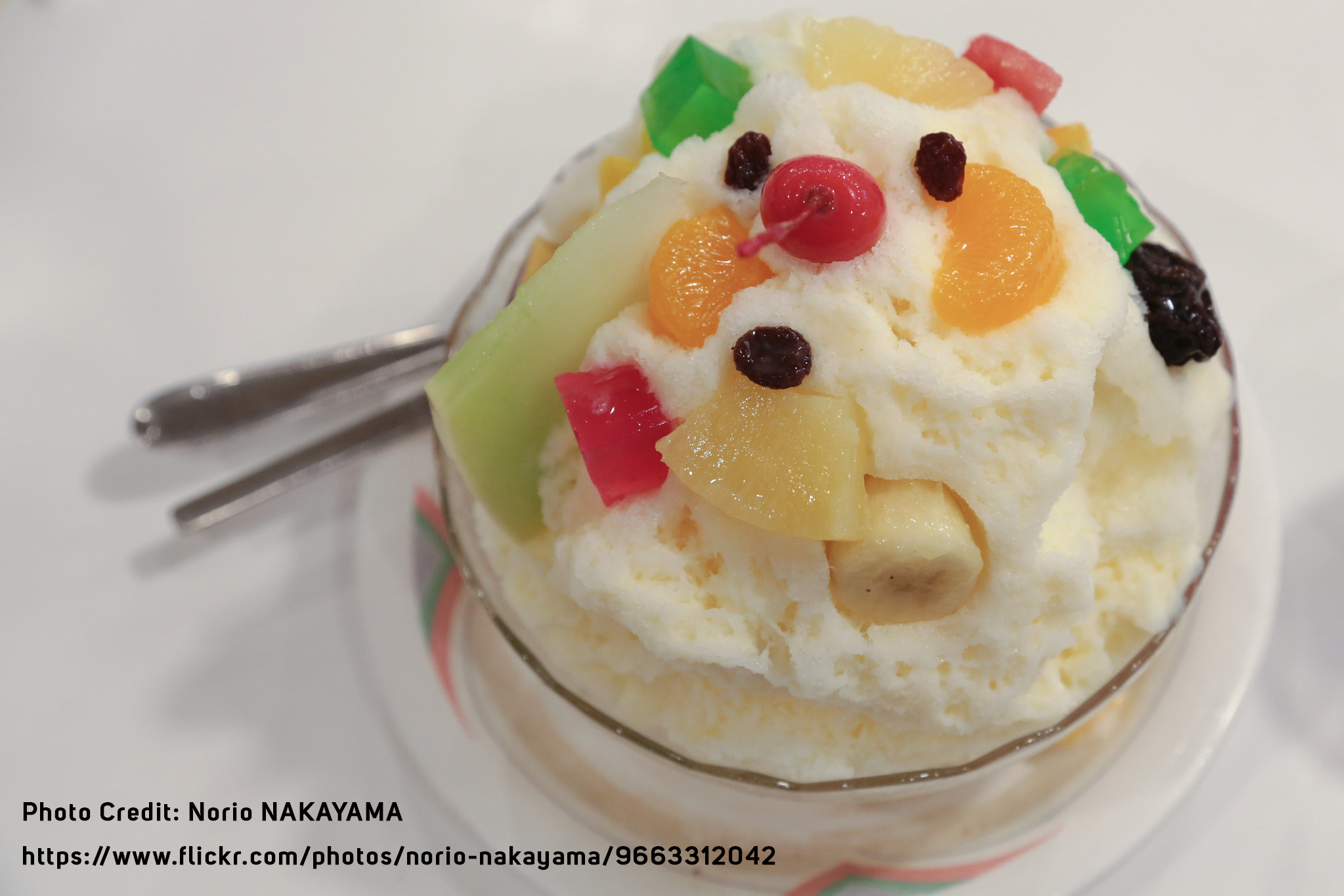
Miyazaki: Chicken NanbanChicken Nanban is an example of Western food that has been adapted to suit Japanese tastes. Originating in Miyazaki, juicy fried chicken called “Karaage” is marinated with a special sauce and then covered in tartar sauce. This indulgent spin on fried chicken may not be the healthiest, but Chicken Nanban is often served with salad on the side. Other tastes of Miyazaki include Karamen (spicy noodles), rice balls wrapped in pork, Miyazaki beef, and mango flavored sweets.Kagoshima: KurobutaKurobuta, which literally means “black pig,” are said to have been brought to Kagoshima from the Ryukyu Kingdom (which includes present day Okinawa) about 400 years ago. Today, free-range Kurobuta in Kagoshima are known for their sweetness and rich flavor. The meat is crisp, tender, firm, and juicy, with the fat being light. You can savor this high-quality meat in a variety of ways, but eating it in a kind of hot-pot dish called Shabu-Shabu is hugely popular. Shabu-Shabu is traditionally enjoyed with beef, but Kurobuta has made pork Shabu-Shabu spread across Japan. Other famous tastes of Kagoshima include Abura Soumen, shaved-ice called “Shiro-Kuma,” chicken sashimi, and sweet potato shochu, an alcoholic drink much stronger than sake.
These are the most famous mouth watering specialties of each prefecture in Kyushu, but Kyushu is also known for its high quality fruit, vegetables, livestock, and marine products. If you want to learn more about how this connects to us in the Artists Village, be sure to check out the latest article from the Artists Village Insider to learn more about Zizoya, the gourmet subsidiary of COAMIX Inc., and how they’re merging manga with gourmet! The Kumamoto Reporter #07 – Kumamoto: The Cradle of Myths and Legends! Hey SMA community! Last time we got fired up by taking a look at the Land of Fire’s (Kumamoto’s) festivals, an important part of its culture and history. This time we’ll take a step into the fantastical world of Kumamoto’s legends and infamous “Yokai,” or Japanese spirits! First, let’s take a look at Kumamoto’s mystical and mysterious Yokai.AmabiéAmabié is a Kumamoto Yokai that has been in recent news due to the fact that she can protect against disease and plague. A strange mermaid type creature with three legs, wavy hair, and a beak, Amabié first appeared in 1846 off of the sea coast and prophesied the following: “From this year on, you will have a bountiful harvest for six years, but if a plague spreads, show people a picture of me.” Many illustrations have been based on the original drawing of this benevolent Yokai in the hopes to ward off disease.Abura sumashiThe Abura sumashi are said to be extremely rare Yokai that are native to Kumamoto. Their name literally means “oil presser,” a phrase referring to the act of pressing oil out of tea plant seeds. Legend has it that the abura sumashi are the ghosts of tea oil thieves, which was an expensive and time consuming product to make. Their appearance is of a squat humanoid with a large, ugly potato shaped head. Watch out for them in the mountains where wild tea plants grow!
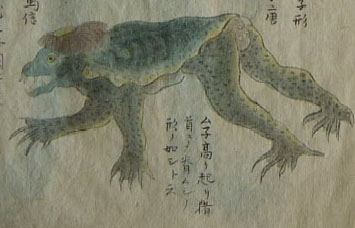
YamawaroAnother mountain dwelling Yokai appears! The Yamawaro are known by different names based on different areas in Kumamoto, and are said to be Kappa (famous Yokai who have a turtle-like appearance) that have migrated from rivers to the mountains. With the appearance of a 10 year old child with one eye, long hair, and fur covering its body, the Yamawaro love to play pranks and do sumo. If you’re not careful, they’ll hop in your bath and stink up the place!
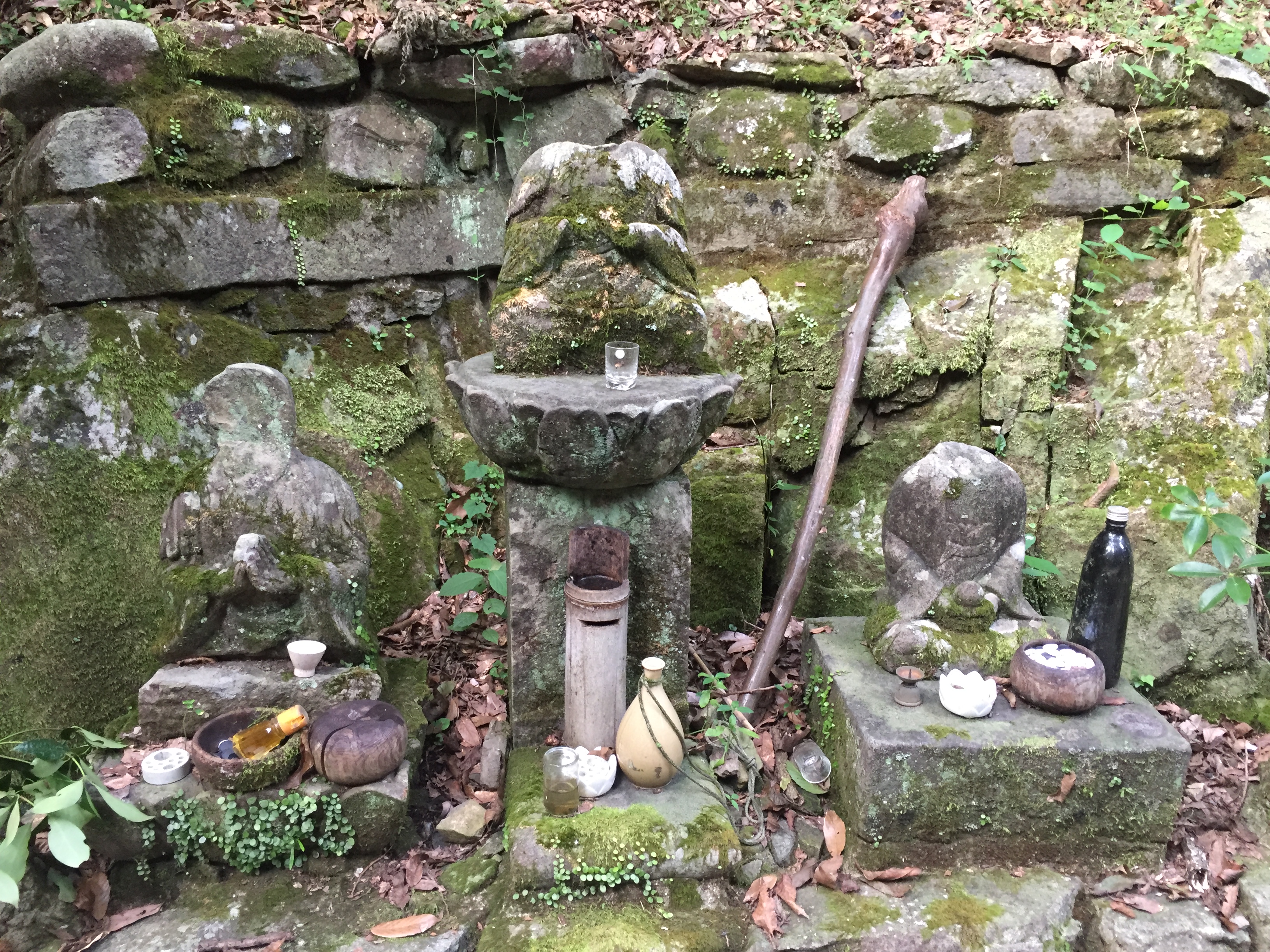
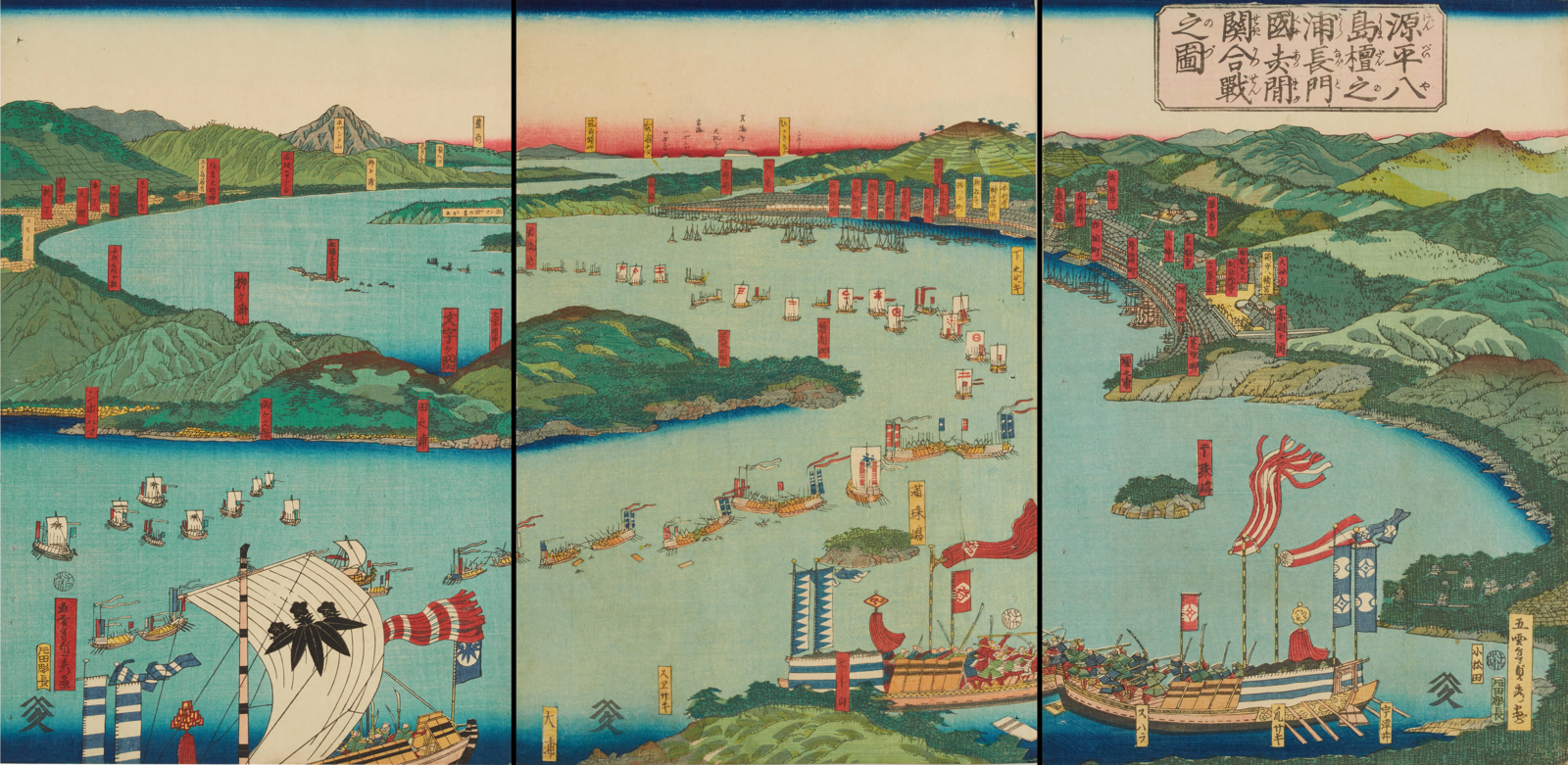
Gokanosho: A hidden samurai villageOne of Kumamoto’s greatest legends is based on real historical events. Long ago during the Genpei War (1180–1185), the powerful Taira and Minamoto clans fought each other with the Minamoto clan emerging as the victors. This began the Minamoto clan’s military rule as the Kamakura shogunate from 1192 to 1333. Utterly defeated, the Taira clan (also called “Heike”) fled to the remote corners of Japan, far from the reach of the Minamoto clan. Legend says that one of the places they hid was “Gokanosho,” deep in the mountains of Kumamoto. Even today, traditional thatched private houses remain in this secluded gorge that’s famous for its natural beauty and fall leaves.
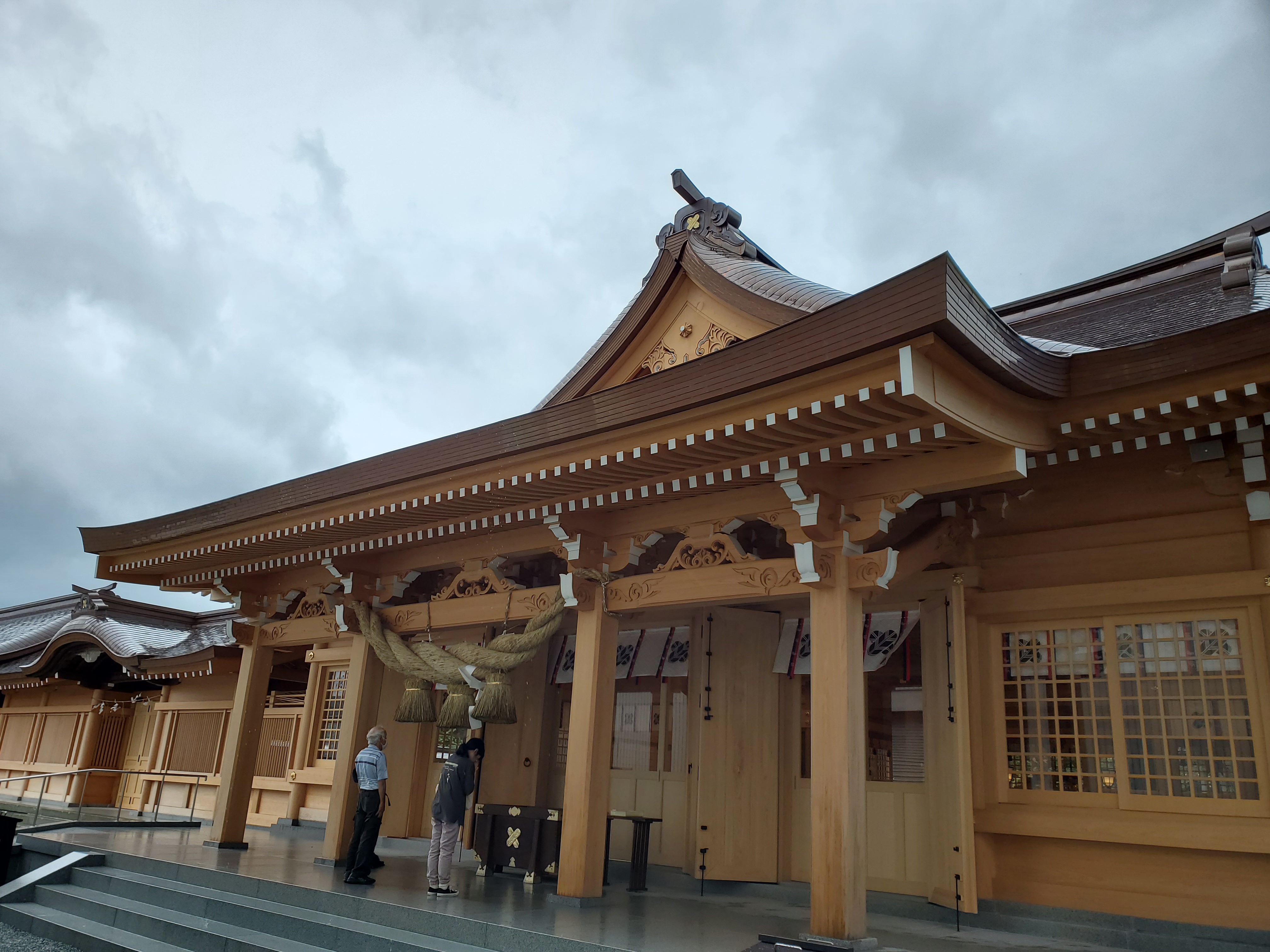
The legend of how Aso was madeAnother Kumamoto legend stems from its natural history and tells how the Aso region, home of our Artists Village Aso 096k, was formed. Hundreds of thousands of years ago, the colossal Aso volcano erupted and collapsed in on itself, forming a giant lake. Legend has it that Takeiwatatsu no Mikoto, the main deity of Aso Shrine and the grandson of Emperor Jinmu (the first Emperor of Japan) wanted to make the Aso region livable for humans. He kicked part of the caldera to let the lake drain, but fell after kicking it, which led the area that he kicked to be called “Tatenu” which means “can’t stand” in Japanese. “Tatenu” would eventually become “Tateno,” an area that is in southern Aso. Takeiwatatsu no Mikoto noticed that the water stopped flowing out, and looked down to see a giant catfish at the bottom of the lake. He asked it to leave, which it politely agreed to and went to Kashima in south Kumamoto City. The giant catfish’s soul was enshrined there, but the shrine was eventually moved to Kokuzo Shrine, directly 6km north of Aso Shrine.
Legends and supernatural creatures not only give you a glimpse into a region’s history, but can also inspire new stories! Be sure to check out one of the Kumamoto Reporter’s previous articles to learn how two shrines in Fukuoka and Oita may have inspired some aspects of the hit manga Demon Slayer. Oita is also famous for a very unique and “hellish” dish…stay tuned next time for a look at the legendary cuisine of Kyushu and Kumamoto! The Kumamoto Reporter #06 – Fire Up! Festivals in the Land of Fire Hey SMA community! Last time we learned about Kumamoto Castle and its importance to both Kumamoto Prefecture and the Artists Village Aso 096k. This time we’ll learn even more about Kumamoto Prefecture by looking at an important part of its culture: festivals! Grab your friends and throw on some festival gear, it’s time to party!Aso Fire FestivalJust a short drive from our Artists Village lies Aso Shrine, the oldest shrine in Kumamoto. If you happen to visit the shrine in March and are feeling adventurous, you can try your hand at swinging around a flaming hale bale on a string (seriously!). All playing with fire aside, the Aso Fire Festival’s purpose is to pray for a successful harvest and to celebrate the marriage of two gods that reside in the shrine. If your hunger for fire isn’t satisfied by swinging around the flaming hay bale like a wild person, you can see the controlled burning of Aso’s great swathes of silver grass just a few weeks before the festival.
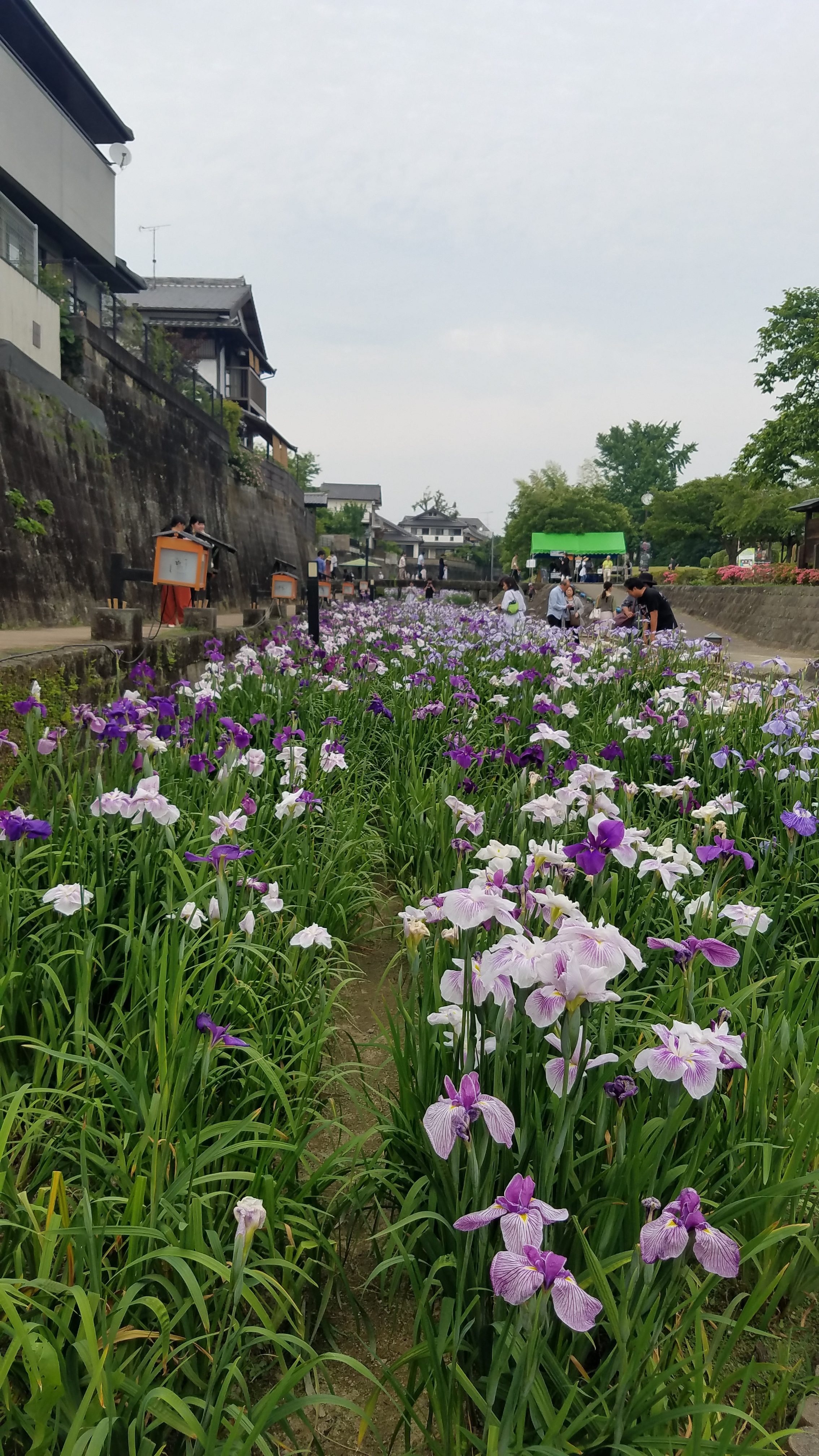
Ushibuka Haiya FestivalOn the opposite side of the spectrum is the Ushibuka Haiya Festival in Amakusa, known for its pristine beaches and sublime seafood. Located in the most southern part of the island, Ushibuka was a bustling port town in the Edo Period (1603-1867) and an important point for passing ships and fishermen due to the southern winds that were needed for their boats to sail north. It was these southern winds, called “hae no kaze” during those times that led local women singing to entertain sailors taking refuge from storms and waiting for favorable “hae no kaze.” Today, approximately 3,000 people dance through the streets of Ushibuka each year in April singing the same song that was sung over 200 years ago.Koinobori FestivalSpeaking of fish, if you visit the small hot spring town of Tsuetate Onsen in May you’ll witness an incredible sight of over 3,500 koi (carp) streamers strung over the river that flows through the town. The festival celebrates the May 5th holiday of Children’s Day, and has significant importance for young boys. The streamers are a symbol of courage and strength, since carp are known for their ability to swim against the river current and even up waterfalls.Tamana Iris FestivalRivers and ponds are vital for both people and animals, as well as for the beautiful iris flowers! Every year people gather far and wide to enjoy the dazzling display of colors from the wide variety of irises that bloom in Tamana City in northern Kumamoto. Usually they bloom near the end of May, right before the rainy season starts in Kyushu. During your visit, don’t miss out on Tamana’s famous ramen and onsens!
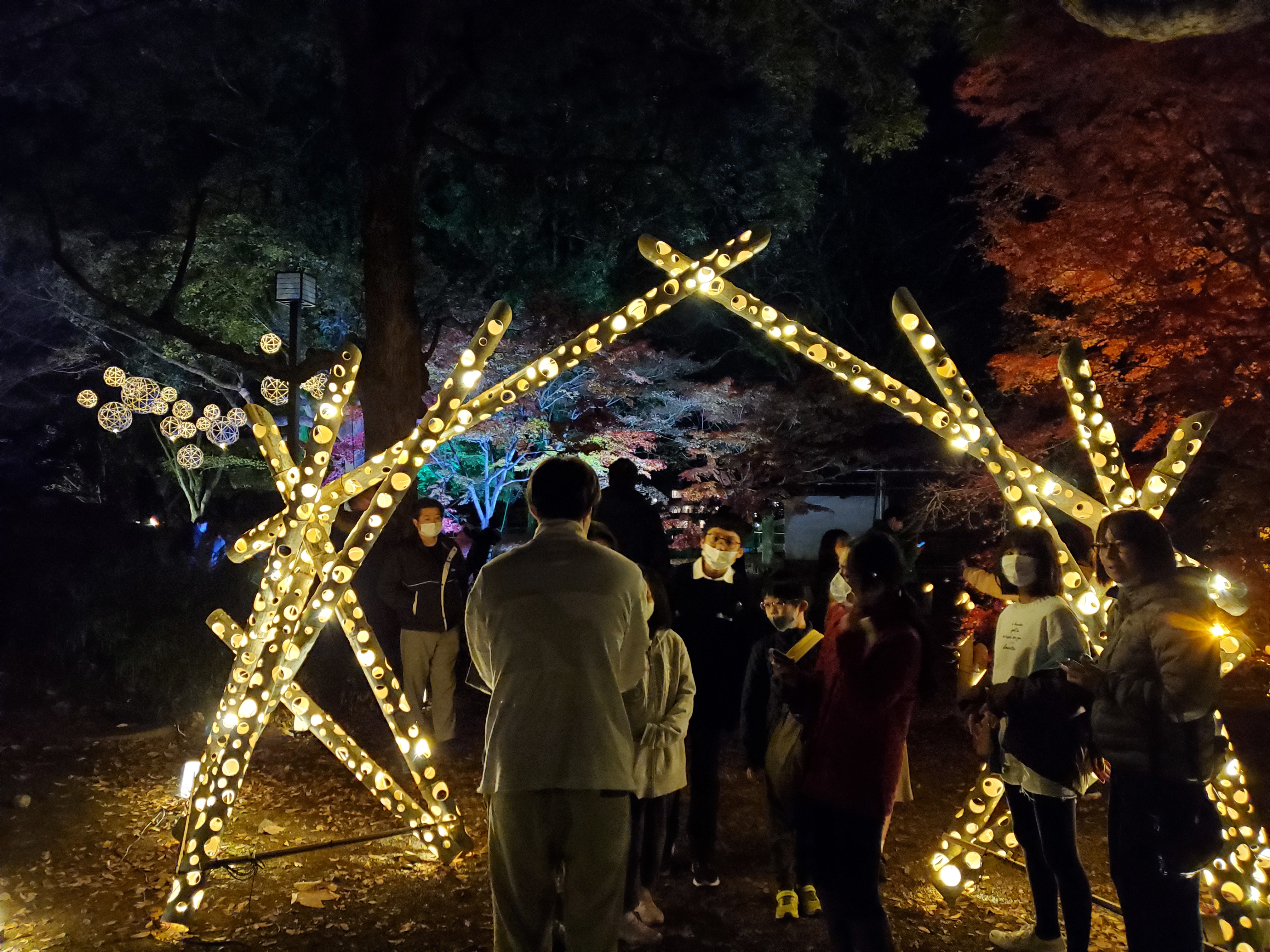
Yamaga Lantern FestivalNear Tamana lies Yamaga, famous for onsen, the Yachiyoza Theater, and its thousand lantern dance. On the nights of August 15th and 16th 1,000 women gather dressed in white yukata (summer kimono) and wearing carefully crafted paper lanterns on their heads to participate in the festival. The festival can trace its beginnings to an ancient legend which tells of how the Yamaga villagers came to the aid of Emperor Keiko (71 to 130 AD) and his followers by leading them with pine torches through a thick fog.Mizuakari FestivalIf dancing with a lantern on top of your head isn’t your thing, swing by Kumamoto City for a spectacular light up display! Over 54,000 candles and 3,500 bamboo shoots are lit and placed around Kumamoto Castle, making for a few magical nights in October. 5,000 lanterns are also lit and set afloat along the Tsuboi river, or the moat of Kumamoto Castle.
Hinokuni FestivalThe last festival on this list is one that your very own Kumamoto Reporter participated in! Long lines of food stalls and games lead up to Kumamoto Castle during the festival, but the main event of the festival is the free-for-all Otemoyan Dance. During the dance, the streets are closed off and the participants dance and sing the famous Kumamoto folk song “Otemoyan” which was made about 80 years ago. If you’re lucky, during the festival you may even spot one of the most popular Prefectural mascots in Japan: Kumamon!Next time on the Kumamoto Reporter we’ll dive even further into Kumamoto’s culture by taking a look at its legends and “Yokai,” or Japanese spirits! In the meantime, if you’d like to learn about the legend of the true Kabuki-mono, a man always with the festival spirit, check out the latest article from the Artists Village Insider about “Keiji’s Kabuki Adventure!” The Kumamoto Reporter #05 – Kumamoto Castle: The Symbol of Hope
Discover the history of Kumamoto Castle and its connection with manga!
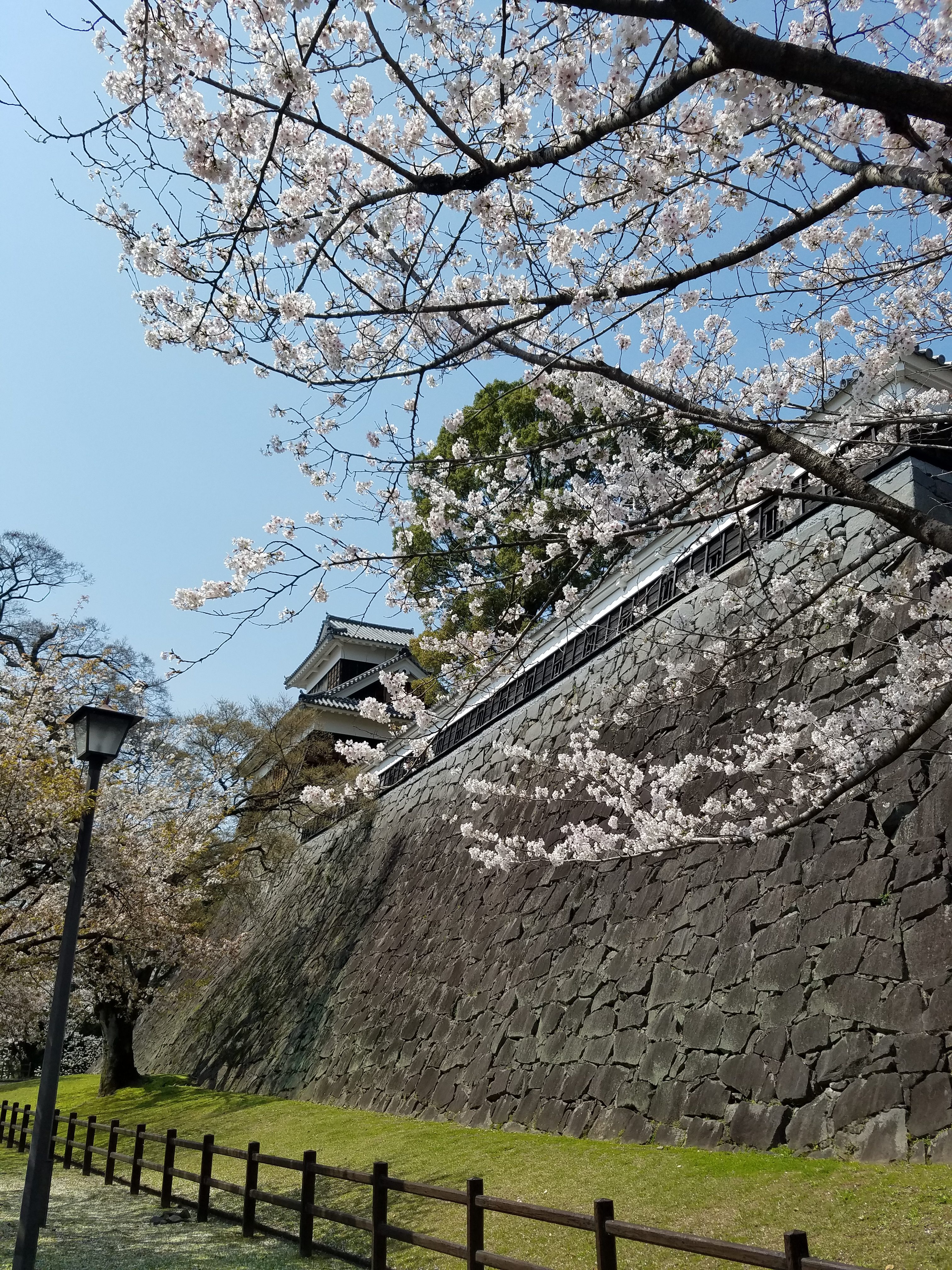
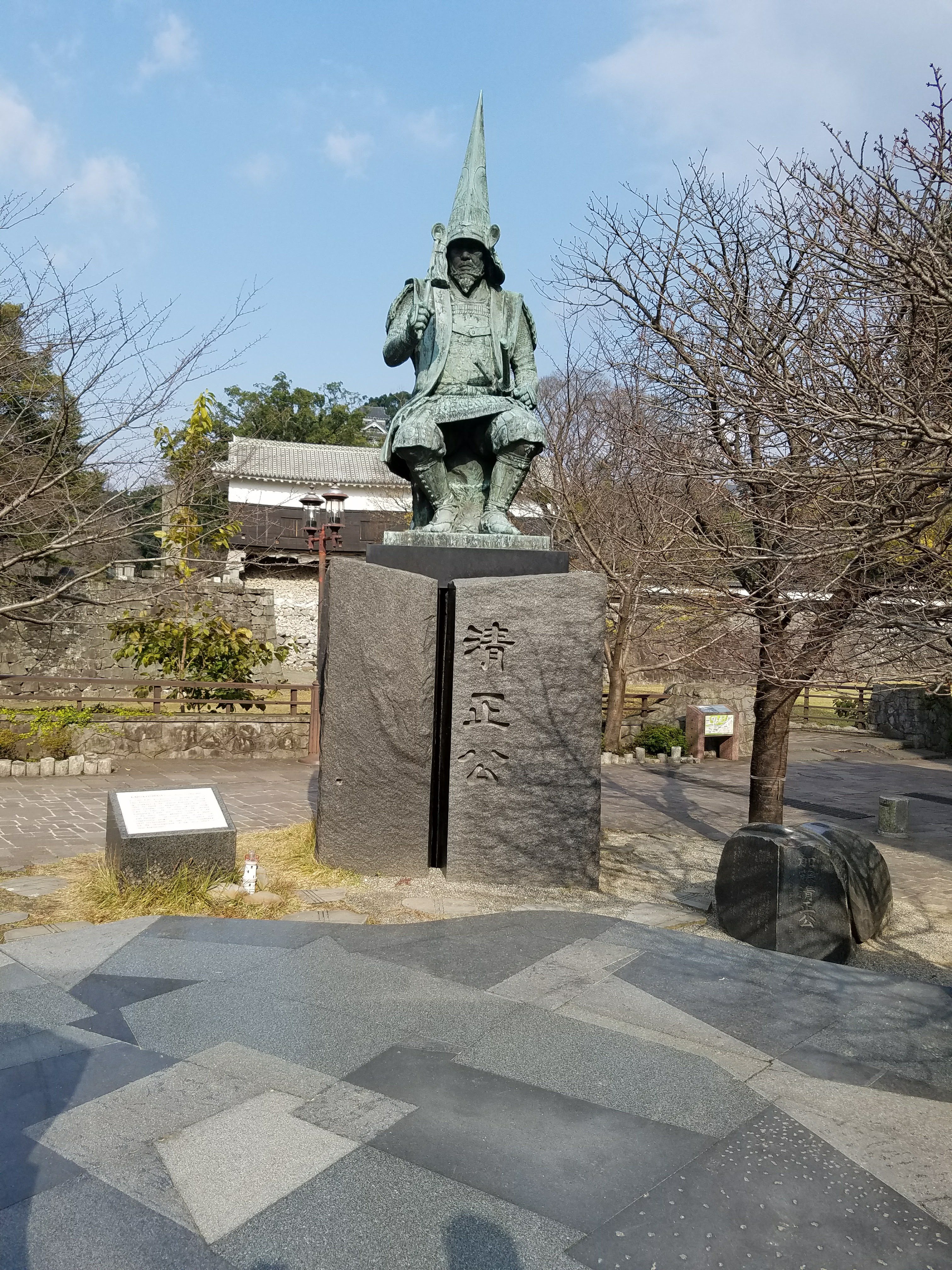
Hi SMA community! Last time we learned even more about Kumamoto and Kyushu’s manga roots by taking a road trip through Kumamoto and Kyushu in search of famous manga and anime spots. This time we’ll take a look at a place that has special importance in Kumamoto and is connected to both manga and the Artists Village Aso 096k: Kumamoto Castle! First, let’s learn about Kiyomasa Katō, the wise warlord and “Tiger of Kumamoto” who built this legendary castle.
Kiyomasa Katō: the Lord and “Tiger of Kumamoto”Kiyomasa Katō was the first feudal lord of Higo Province (present day Kumamoto). He was raised by the legendary Hideyoshi Toyotomi (one of the three “Great Unifiers of Japan”) and was called “Toranosuke,” which means “the son of a tiger.” While serving Hideyoshi, Kiyomasa distinguished himself on the battlefield and was known as a strong and brave general, said to be so brave that he even fought tigers. Kiyomasa became the lord of the northern half of Kumamoto at the mere age of 27, and after Hideyoshi’s death he gained the rest of Kumamoto’s land and even some of Hideyoshi’s forces. Loyal to Hideyoshi even after his death, Kiyomasa decided to build Kumamoto Castle as the symbol of rebellion against the Tokugawa Shogunate. Kiyomasa not only built the castle, but also enriched Kumamoto by designing the water irrigation and flood control systems, supporting local agriculture, and even trading with the Spanish and Portuguese Empires.
The impenetrable castleUnder Kiyomasa’s guidance, the construction of Kumamoto Castle was completed on top of the hilly plateau Mt. Chausu in 1607. Kumamoto Castle is known for its multi-storied towers called “yagura” and curved stone walls known as “musha-gaeshi.” There are also iron spikes called “shinobi-gaeshi” and traps used to keep out intruders, as well as an underground stone passageway called “Kuragari-Tsuro,” which is very unique compared to other Japanese castles. Thanks to these defensive features, Kumamoto Castle was called “the impenetrable castle” and “warrior-proof” during the times of the samurai.After Kiyomasa KatōAfter Kiyomasa Katō, the Hosokawa Clan ruled Kumamoto and resided in Kumamoto Castle. In 1877, a major battle took place at Kumamoto Castle between the Satsuma Clan in the south and the Meiji Government during the Satsuma Rebellion. Unfortunately, much of the castle burned down during the siege, but after the end of World War II the people of Kumamoto called to rebuild the castle, and most of it was restored in 2008.The 2016 Kumamoto EarthquakeIn 2016, Kumamoto Prefecture was struck by two strong earthquakes, which caused severe damage to Kumamoto Castle. The people of Kumamoto were devastated to see their beloved castle in such a state, but some of the towers and walls stood strong even after the earthquake, which gave people courage during this difficult time. Since it’s such a special historical site, many people outside Kumamoto Prefecture are contributing to its reconstruction, and in Spring 2021 the inner towers were finally reconstructed. Even though it’ll take many years to finish rebuilding Kumamoto Castle, it’s seen as a symbol of strength and resilience of Kumamoto Prefecture and a sign of its revival since the earthquake.The Kumamoto Castle Museum Wakuwakuza: Where manga comes aliveAs part of the revival of both Kumamoto Prefecture and Kumamoto Castle, the Kumamoto Castle Museum Wakuwakuza was built in the Sakuranobaba Josaien castle square. “Wakuwaku” means “thrill” or “excitement” in Japanese, conveyed through its fun and interactive features to explore the history of the castle. Among the features included is a 3D model of the castle and projection mapping to show how the 2016 Kumamoto Earthquake damaged the castle.On the second floor of the museum, visitors can experience “Keiji’s Kabuki Adventure The Stage Play – Chapter of Kiyomasa Katō: The Tiger of Kumamoto,” the hottest new tourist attraction in Kumamoto! The stage play is based on the manga “Keiji’s Kabuki Adventure” (original Japanese title “Maeda Keiji Kabukitabi”) which is written by SMA judges Nobuhiko Horie and Tetsuo Hara-sensei and published by COAMIX Inc., the manga publishing company that hosts THE SILENT MANGA AUDITION®︎. The “096k Kumamoto Drama Company,” an all-female theater group who trains at our Artists Village Aso 096k, brings this adventure to life through authentic action, sword fights, songs, and dances for an explosive and entertaining performance. Be sure to check out the latest article from the Artists Village Insider to learn more about this all-female theater group whom we share the Artists Village with! Australian MasterClass monotone_ink's awarded manga printed in Japan!
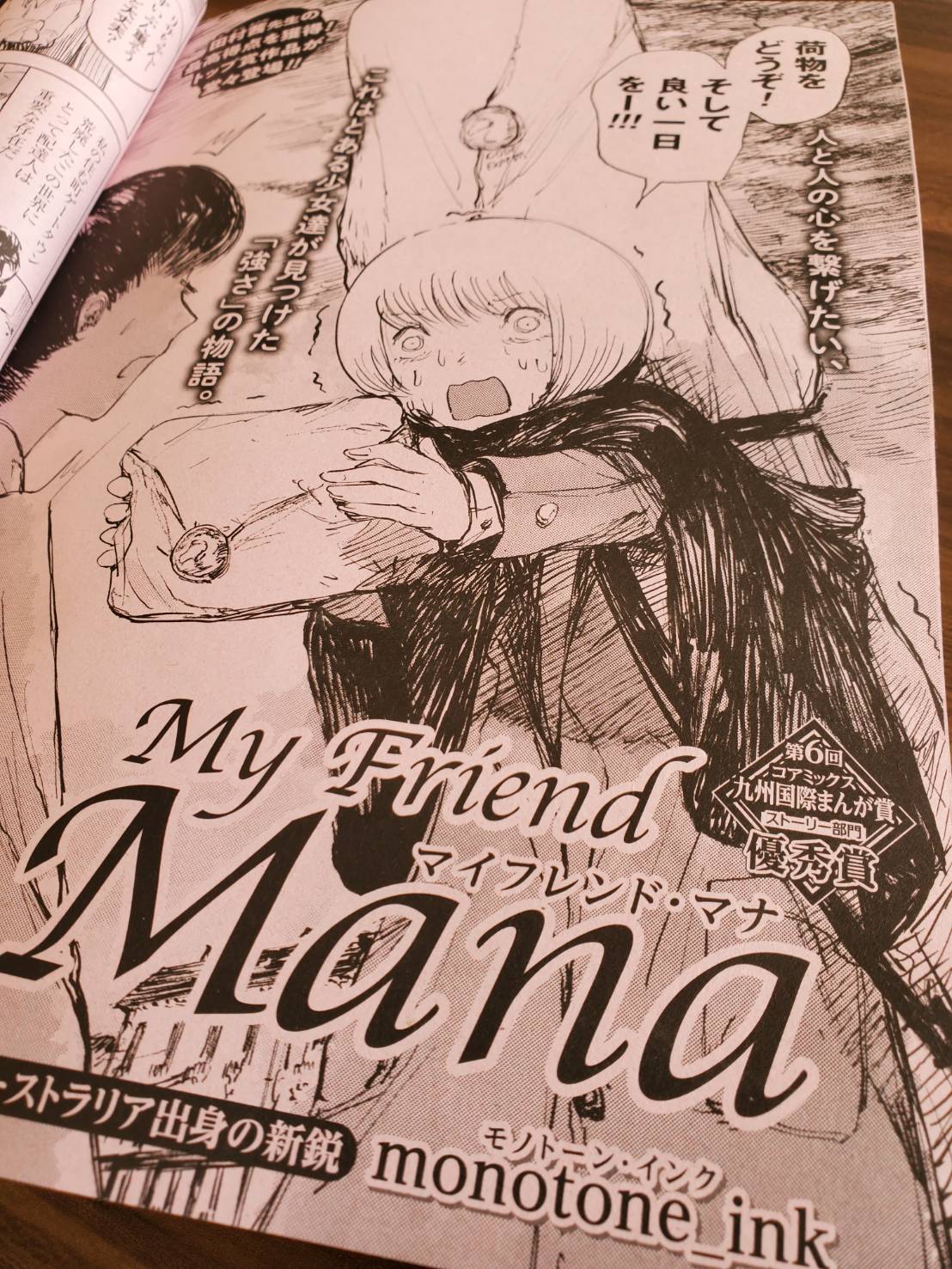
New MasterClass member has made history by being the first international creator to be featured in “Monthly Comic ZENON” after receiving an award in the prestigious “Kyushu International Manga Award!”momotone_ink entered a 39 page emotional manga in the 6th Kyushu International Manga Award, which has been recently been opened to international creators. His entry “My Friend Mana” received the top award of this round, allowing the young Australian creator to have his work be published in the latest issue of Monthly Comic ZENON.
The following is a comment from 6th Kyushu International Manga Award special judge Akane Tamura-sensei (“A Side Character’s Love Story”) regarding monotone_ink’s entry:
The characters’ relationship is extremely cute and fun to read. The manga also has a well-defined layout with important lines and scenes being well illustrated on the pages. Some parts of the story are not well developed, so I think that if more effort was put in order to define the details of the whole story, the climax could have been even more engaging.
“My Friend Mana” is a one-shot manga that takes place in a dystopian world where mysterious “strings” can dissolve anyone who touches them. In such world lives Lisa, the most naive and yet cute mail-delivery person that has ever worked in the highly protected Gate Town. However, Lisa’s naiveness will be put to the test when her friend Mana disappears, and Lisa will need to face her fears in order to find her…!
A page from “My Friend Mana” – go on the bottom of this article to read the English version of this manga!
In the latest Monthly Comic ZENON, a special illustration and exclusive interview with visionary montone_ink was featured in the issue, which we have translated!
1. What are your feelings towards your award?
I’m both grateful and overwhelmed: I did my best to make it as high-quality as possible, but I was surprised to see it win the highest award for this round, so for that, I’m eternally grateful!
2. What was the creative process behind this entry?
My editor and I did a lot of back and forth to come up with ideas: after settling on one, we came up with an overarching plot for the entry, and then I went on to draft and draw the whole thing. A lot of the research also involved collecting a lot of photos to decide what kind of setting I wanted the story to take place in.
3. In your opinion, what is the best part of this entry?
The part when Lisa runs around town looking for her friend Mana – it’s a bit mean of me to say about Lisa, but I thought her panicked expressions and actions were pretty funny. The scene also gave me a chance to draw various locations in the city and create a sense of place for the story.
4. What was the hardest part in drawing this entry?
Drawing the backgrounds – I know so little about architecture and I’ve always had trouble drawing buildings and man-made landmarks, so I hope to improve on that aspect!
5. What aspect of character creation did you put more effort in?
I’m not sure, maybe her roundness? I wanted her to be kind of cute. Originally she was wearing this weird jumpsuit sort of outfit, but then I looked for historical examples of old postmen and I liked their coats and boots, so I just took those. I added the cape to make her extra cute – it reminds me of little red riding hood.
6. Please tell us what manga you are reading recently.
I recently re-read this nice little manga called “Laika no Hoshi” by Mayuri Yoshida. It’s a short one-volume read, but it made me quite emotional unexpectedly. Besides that, I also recently discovered “Bouken Erekitetou” by Kenji Tsuruta – it’s about a girl trying to search for this wandering island that seems to appear and disappear mysteriously. The art is extremely beautiful, I’d like to draw something like it one day!
7. What would be the first Kyushu tourist spot you would like to visit in the future?
I want to fly around the ocean to find the wandering island, haha. If that doesn’t work though, I’d love to at least visit Battleship Island. I’ve always been interested in ruins, especially with how nature manages to overtake them. If I could, I would gather up a bunch of people to play tag there, but that’s probably not allowed – oh well!
8. What manga do you want to create next?
Something dark and gritty maybe – and most importantly, something with cooler backgrounds.
9. Please leave a message for our readers.
Thank you so much for reading, I hope you enjoyed it!
monotone_ink’s work is only one of the manga created by the SMA MasterClass that won an award in Monthly Comic ZENON’s manga awards; with the support of the SMA Editorial Department, the MasterClass members are showing year after year their potential to the Japanese readers.
International Manga Creator Finalist in Japanese Audition! A newly recruited member of the SILENT MANGA AUDITION® MasterClass is one of the finalists of Monthly Comic ZENON’s 23rd Manga Taisho – Enewald from Finland surprised the judges thanks to a high-quality manga that promises to be just the beginning of a long series of achievements for this young creator!“The Sunflower Theorem” (Japanese title: Himawari no Teiri) tells the story of Noe, a very special girl with a great passion for math and the ability to see it in the beauty of nature and daily life. For this reason, Noe doesn’t have many friends that can understand her, but this doesn’t bother the young girl as long she has her beloved numbers with her. However, everything will change for Noe once a new classmate, Maika, arrives to math class…“Monthly Comic ZENON Manga Taisho” (lit. “The Great Manga Audition of Monthly Comic ZENON”) is ZENON’s oldest contest where Japanese newcomers can prove themselves DIRECTLY to their future fans with a 39 page entry.
As a matter of fact, Manga Taisho is not only judged by manga legends such as Tsukasa Hojo-sensei and Tetsuo Hara-sensei, but also judged by booksellers and the general public in order to evaluate the marketability of the entrants. After Momo Sanse, Finnish MasterClass member Enewald is the second international creator discovered by the SMA Editorial Dept. to reach the finals of the prestigious Manga Taisho, which allows you, the SMA Community, to READ and VOTE Enewald’s latest work!
Enewald’s manga will be available for review by the general public of Japanese and international readers from today January 21st until January 28th,11:59 (JPN time) on the Comic ZENON website.
2 – Fill the form with YOUR name and select Enewald’s entry HERE
That’s it!
We are looking forward to reading the opinions and reactions of our community! *The English version of “The Sunflower Theorem” is scheduled to be published on the SMA website in the first half of 2022. The Kumamoto Reporter #04 – Kumamoto and Kyushu: Where Manga Comes Alive
Discover famous manga and anime spots in Kumamoto and Kyushu with the Kumamoto Reporter!
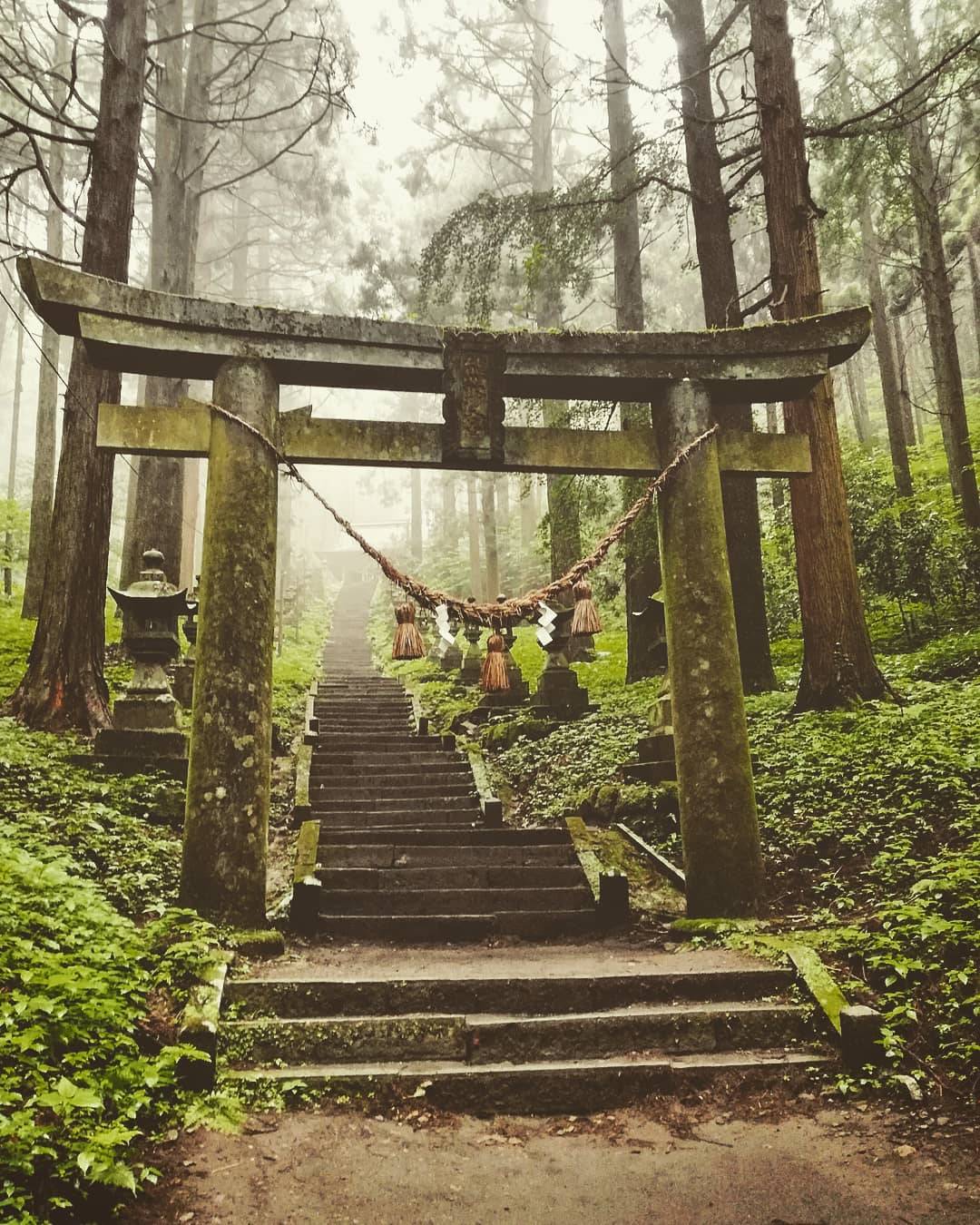
Welcome back SMA community, and happy new year from the Kumamoto Reporter! Last time we got to know Kumamoto’s manga artists legends and learned what exactly makes Kumamoto such a great place for producing manga artists. Overflowing with natural beauty and candid moments of countryside and city life, Kumamoto is the perfect inspiration for manga artists…so much so that some manga and anime actually include scenes based on real places in Kumamoto! Grab your camera and hold on tight, we’re taking a road trip through Kumamoto and Kyushu in search of famous manga and anime spots.“Natsume’s Book of Friends” (Hitoyoshi and the Kuma region)Beautiful nature? Charming countryside? Legends of mysterious “Yokai” (Japanese spirits)? Yuki Midorikawa’s hometown of Hitoyoshi and the Kuma region in southern Kumamoto was the perfect inspiration for the setting of her manga “Natsume’s Book of Friends.” Midorikawa drew real life locations from around her hometown to bring Natsume and Nyanko-sensei’s supernatural adventures to life. Kamishikimi Kumanoimasu Shrine, a famous and peaceful moss-covered shrine in Takamori, Aso that’s close to the Artists Village Aso 096k, is also shown in Midorikawa’s one-shot manga and anime “Into the Forest of Fireflies’ Light.”
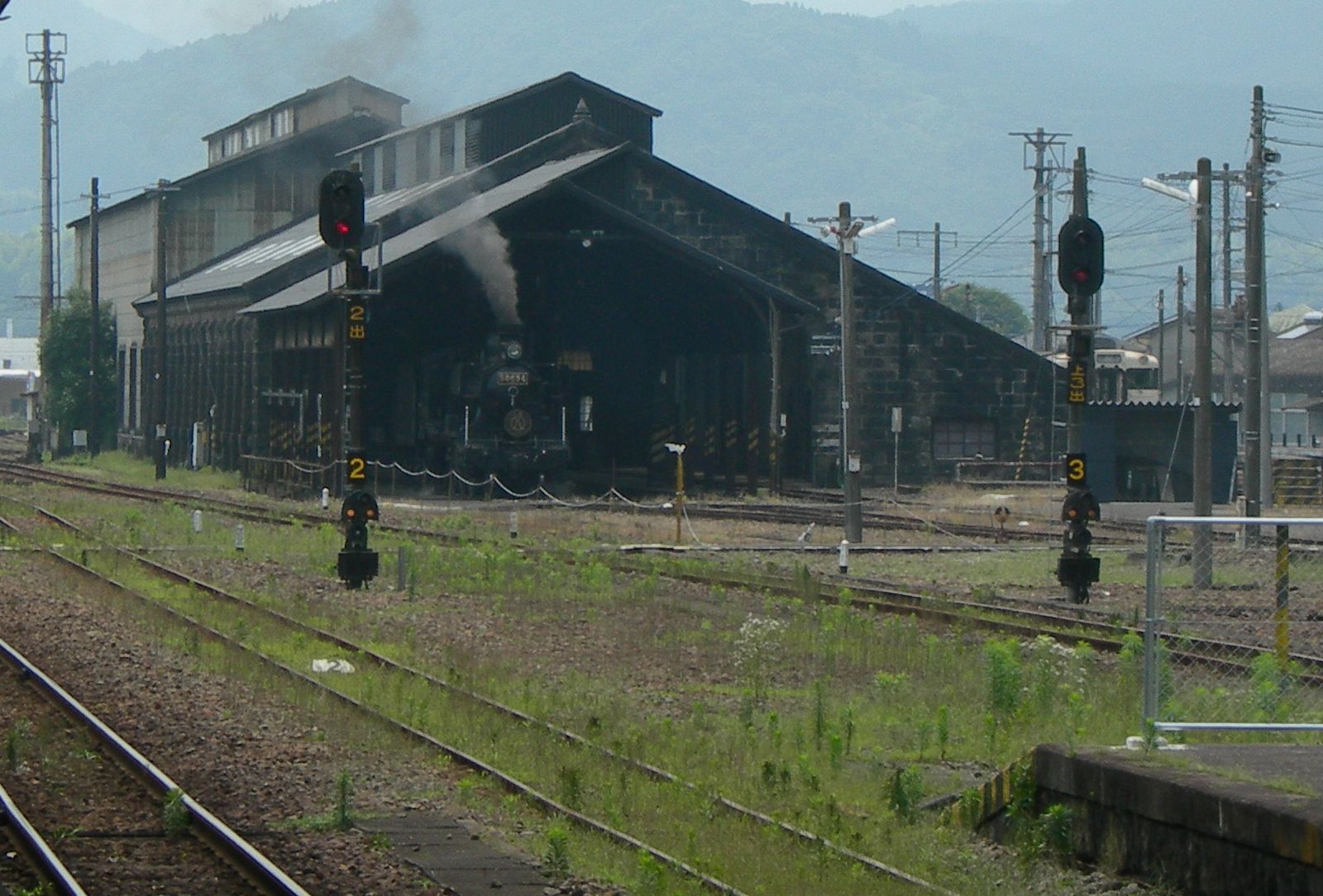
“ONE PIECE” (Kumamoto Prefecture)Eiichiro Oda, creator of “ONE PIECE” has certainly left his mark on his hometown of Kumamoto: quite literally in fact! Thanks to Oda’s incredibly generous donation of 800 million yen (about US $8 million), statues of the Straw Hat Pirates have been built in the areas most badly hit by the 2016 Kumamoto Earthquake. Most of the statues have been built already, with Zoro’s statue to be unveiled on January 22nd in Ozu Town and the last statue, Jinbei, to be announced in the future. Stay tuned for a future article about each statue!“Rurouni Kenshin” live-action movies (Yamaga, Arao, Uto, and Hitoyoshi)Unfortunately Kenshin’s adventures never brought him to Kumamoto, but the video shooting of his live-action movies did. The traditional theater Yachiyoza in Yamaga, the late Meiji-period Mitsui Miike Coal Mine in Arao, the Misumi West Port’s Old Uto County Office in Uto, and the Hitoyoshi Engine Shed in Hitoyoshi are all featured in the movie. Wandering around these historical properties brings you back to the time of the samurai.
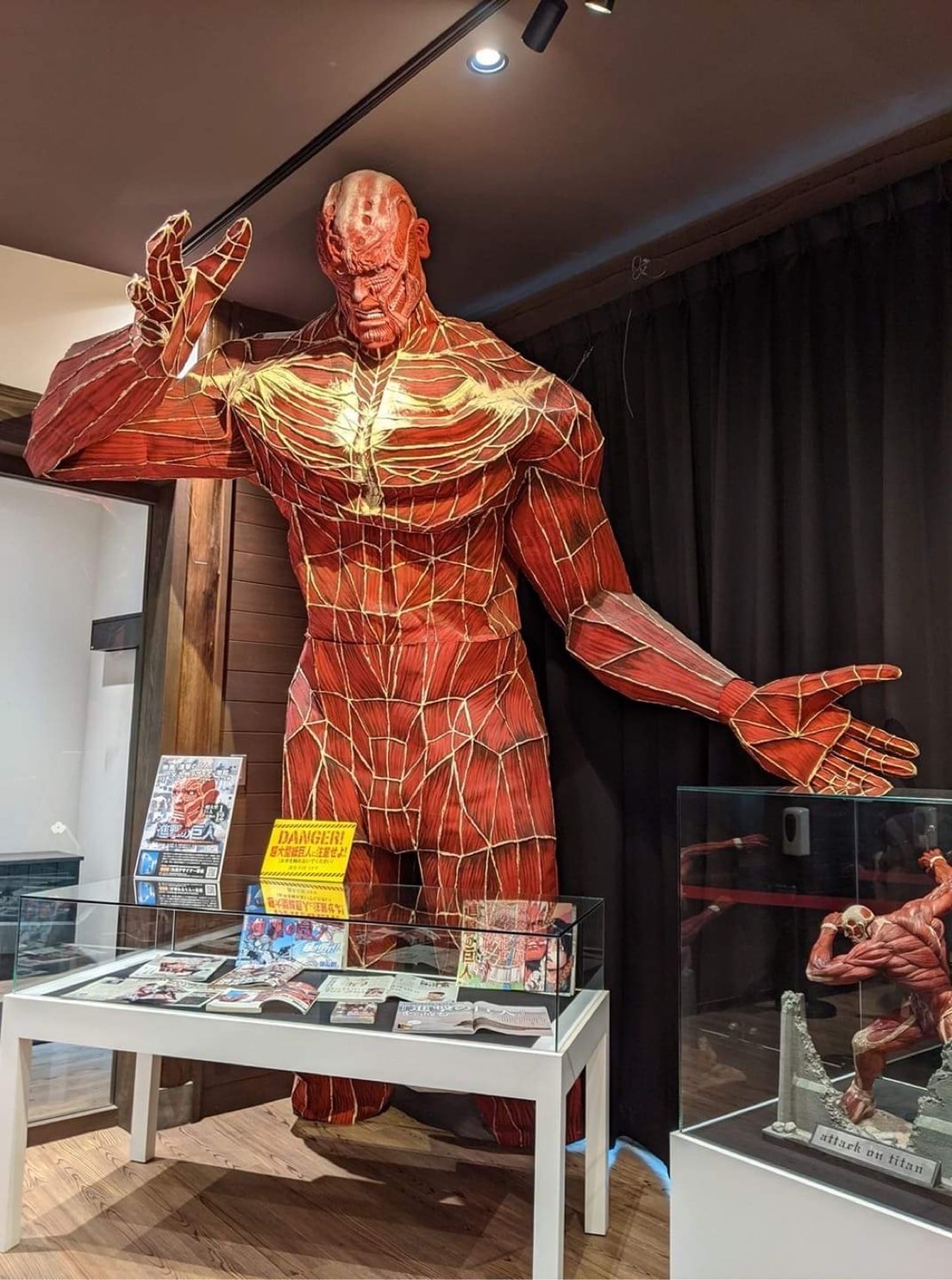
“Attack on Titan” (Aso and Hita)Thankfully we don’t have to worry about being eaten by Titans, but if you’re feeling adventurous and want to step inside the world of “Attack on Titan” be sure to visit Hita in Oita Prefecture. There you can find statues of Eren, Mikasa, and Armin looking up in horror at Oyama Dam; almost as if they are seeing the Colossal Titan appear above Wall Maria. Near the Hita Station you can hang out with Captain Levi, but be careful: thanks to augmented reality, Titans might come crash the party! If you’re still hungry for more Attack on Titan there’s also a museum close to Oyama Dam that’s filled with art from the series.
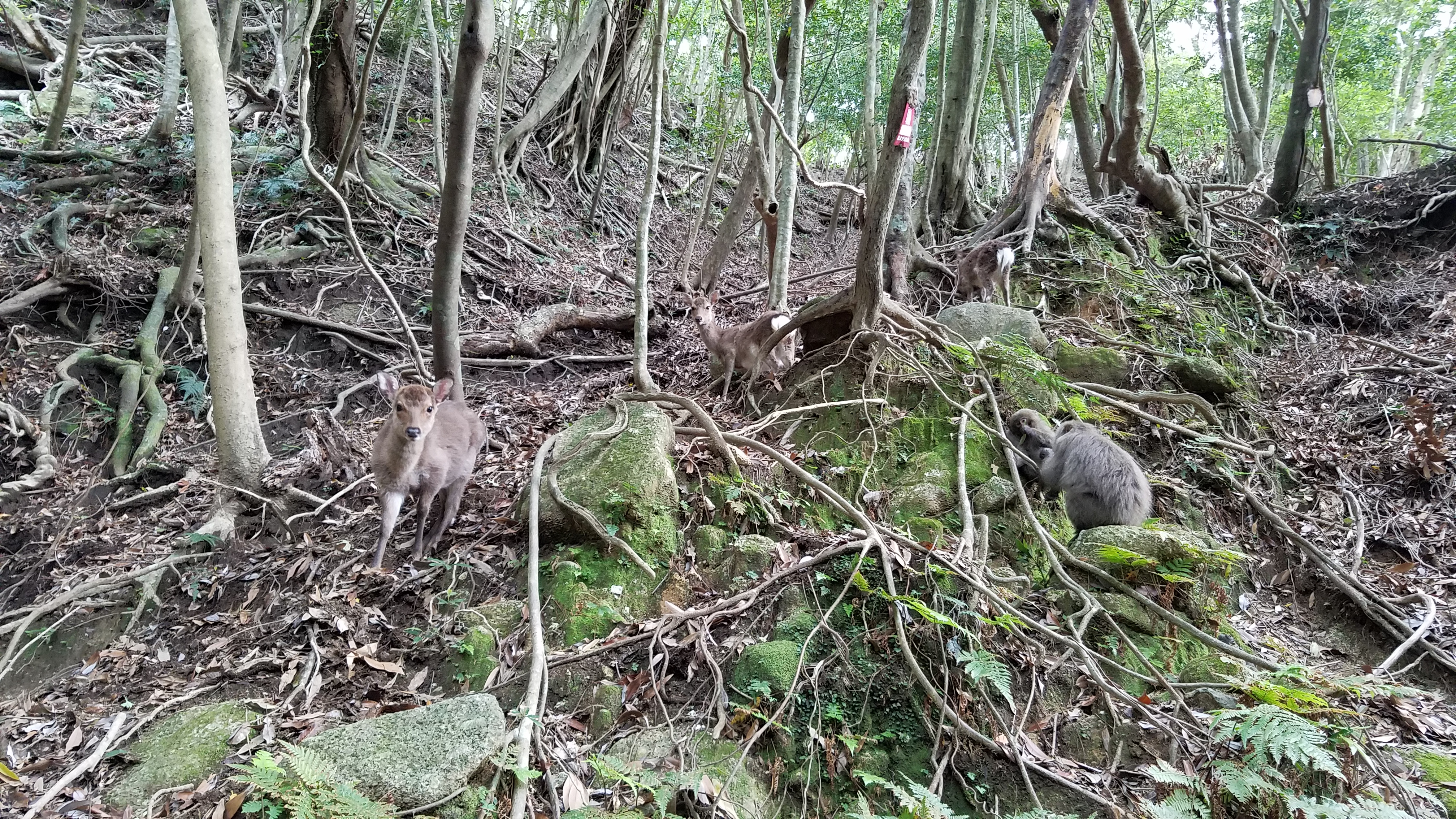
Oshitoishi, a famous power-spot in the Aso region of Kumamoto with mysterious stones, is also where a scene from the live-action “Attack on Titan” live-action movie was filmed. Standing next to these imposing stones and looking out across the wide expanses of Aso, you can almost imagine the Titans wandering around.“Demon Slayer” (Kitakyushu, Dazaifu, and Beppu)The beautiful Kawachi Wisteria Garden in Kitakyushu seems like it’s been pulled straight out of the pages of “Demon Slayer.” With a huge variety of different colored wisteria flowers, you can see the iconic purple variety that appears during Tanjirō’s induction into the Demon Slayer Corps. But be careful; unlike in the manga, they bloom only at the end of April/beginning of May in Kyushu.Hōmangū Kamado Shrine in Dazaifu, Fukuoka shares its name with protagonist Tanjirō Kamado, but Fukuoka born “Demon Slayer ” creator Koyoharu Gotōge may have borrowed more than just the name. The shrine was first established in the 7th century to ward off demons and is located at the foot of a mountain, which Shugen-dō followers use to train. They sometimes wear checkered jackets and Tengu-masks, just like Tanjirō and his teacher Urokodaki-san!Hachiman Kamado Shrine in Beppu also shares its name with Tanjirō Kamado and the ceiling has artwork of a water dragon god, which may have been the inspiration for one of Tanjirō’s water-breathing moves. There’s also a legend that demons once terrorized and ate people in the area, so the gods challenged the demons to build 100 steps to the shrine before sunrise. If the demons succeeded then they would get a human sacrifice, but if not then they would have to flee. They built 99 steps, but then the first rays of sun appeared and they fled.“Princess Mononoke” (Yakushima)There’s Studio Ghibli movie spots scattered all throughout Kyushu, but perhaps the most famous is the island of Yakushima in Kagoshima Prefecture. An island that is known for its unique climate and geography, it’s easy to see the similarities between its beautiful nature and the world of “Princess Mononoke.” In particular, the moss-covered forest of Shiratani Unsuikyo and giant cedar trees make you feel like you’ve stepped into that magical world. Yakushima is also known for its unique subspecies of deer and monkey, which live in harmony with each other.
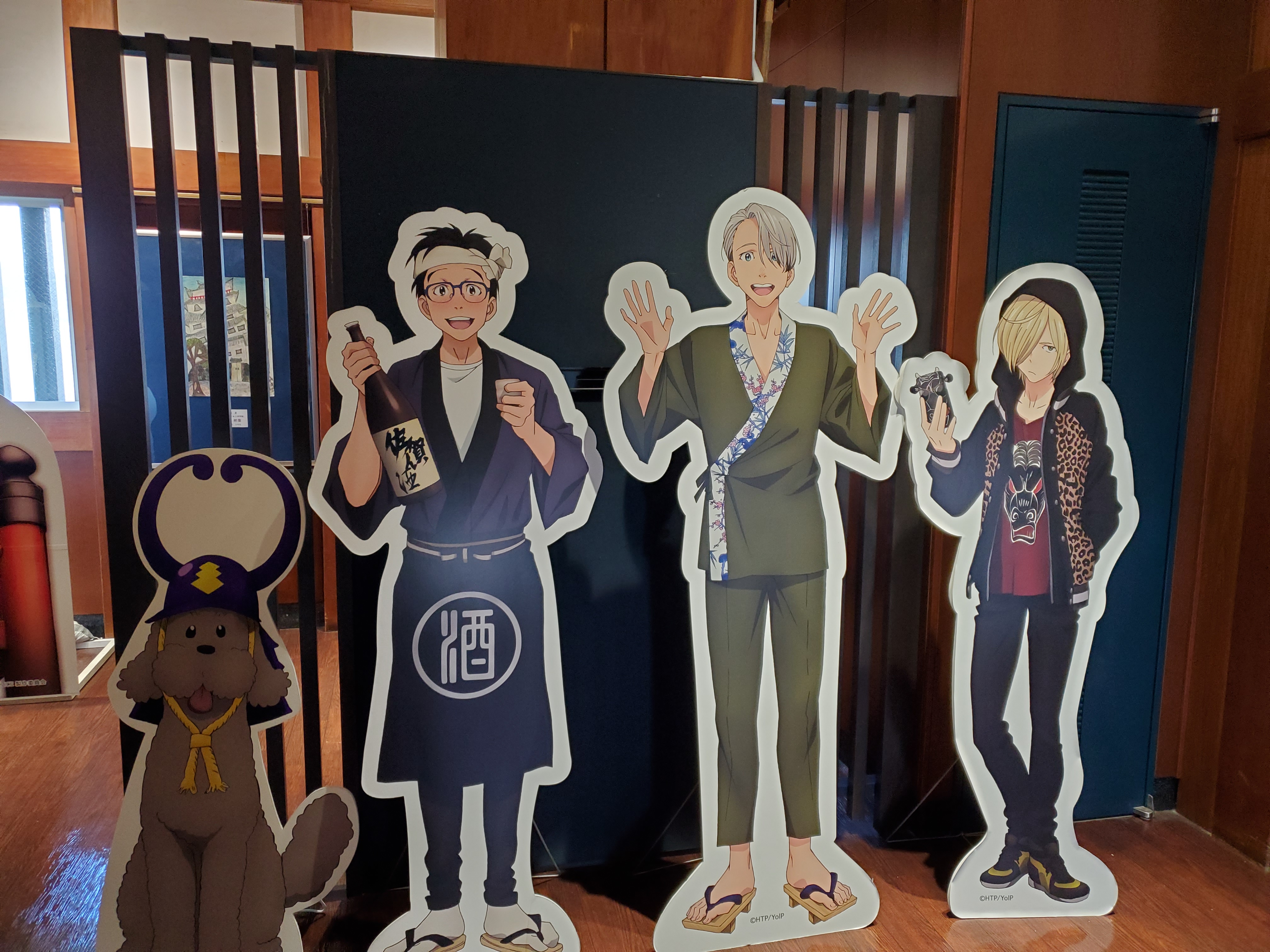
“Yuri!!! On ICE” (Karatsu)The main character Yuri is from the fictional town “Hasetsu,” which is based on the real-life town of Karatsu in Saga Prefecture! In the beginning of the series, Yuri trains hard with his new mentor Victor and can be seen running up the stone steps of Karatsu Castle and taking a quick break at the top to admire the beautiful sea. There’s also an onsen (hot spring spa) called “Kagamiyama Onsen Chaya Bijin no Yu” in Karatsu that Yuri’s family owned-onsen is based on where you can eat Yuri’s favorite dish: Katsudon (egg and pork cutlet over rice).
“Pokémon” (Miyazaki Prefecture)Gotta catch em all! Miyazaki Prefecture is among the lucky few prefectures in Japan to have Pokémon manhole covers throughout its cities. Miyazaki is known for sunny beaches and warm weather, so the palm tree Pokémon Exeggutor was the obvious choice for Miyazaki’s representative Pokémon. Each manhole features the tropical Exeggutor with other Pokémon, and even shows the new Alolan forms.
Kitakyushu Manga Museum (Kitakyushu)Why build a manga museum in Kitakyushu? Well, simply because famous manga artists Leiji Matsumoto, Seizo Watase, Jun Hatanaka, Eiko Mutsu, and SMA judge Tsukasa Hojo are all from the town of Kokura in Kitakyushu, Fukuoka! Inside the museum is a 70,000 volume collection of manga, as well as a “manga time tunnel” which contains manga from as early as 1945. One of the main attractions of the museum is a statue of Captain Harlock from Galaxy Express 999 and murals of works from each of the manga artists from Kokura, including SMA judge Tsukasa Hojo. Don’t forget; submit your SMA17 entry by January 31st for your manga to be judged by Tsukasa Hojo and other manga artist legends!What manga will come to life from the Artists Village Aso 096k?We hope you enjoyed this tour of the most famous manga and anime spots in Kumamoto and Kyushu. Manga truly has leapt from its pages and into real life through spots like these and other multimedia. If you’re curious how manga is leaping out of the Art Studio in our Artists Village Aso 096k, check out the newest article from the Artists Village Insider! The MasterClass Debut Works finally in ENGLISH!
The moment that international manga fans were waiting for has finally arrived… The three manga drawn by the SMA MasterClass and published by the ZENON Editorial Department are finally available FOR FREE for your enjoinment!
A limited initiative for the SMA MasterClass organized by the ZENON Editorial Dept., the ZENON Creator Audition allowed three MasterClass members to debut in Japan by reimagining a “name” (pages draft) provided by professional manga artists in their original way. The experience helped the selected international creatorsSideburn004 (Russia), Dedy Koerniawan (Indonesia), and Alex Irzaqi (Indonesia) to also fully experience the professional environment of the Japanese manga industry and its strict deadlines!
“Midnight Shadow” Original story: Matsuri Midō
Drawings: Sideburn004
A work originally conceived by Japanese manga artist Matsuri Midō (“Black Terror”) for the first ZENON Creator Audition, “Midnight Shadow” tells the story of Alice, a young woman plagued with the ability to see people’s true selves through their shadows. Barney, a mysterious eccentric, enters her life showing a fascination in her that few people have, when a trip to a coffee shop goes horribly wrong.
Based on a work originally conceived by Japanese manga artist Mirai Mutsuhara (“Shiawase no Buta”) exclusively for the second ZENON Creator Audition, “Joze and the Magical Mansion” tells the story of a young woman who, despite living a charmed life in a magical home, longs to see what lies beyond the walls of her safe haven. However, when a traveling minstrel by the name of Dal comes knocking one day, Joze struggles to keep her rampant curiosity in check…
“REFORMER” Original story: Toshiaki Yamada
Drawings: Alex Irzaqi
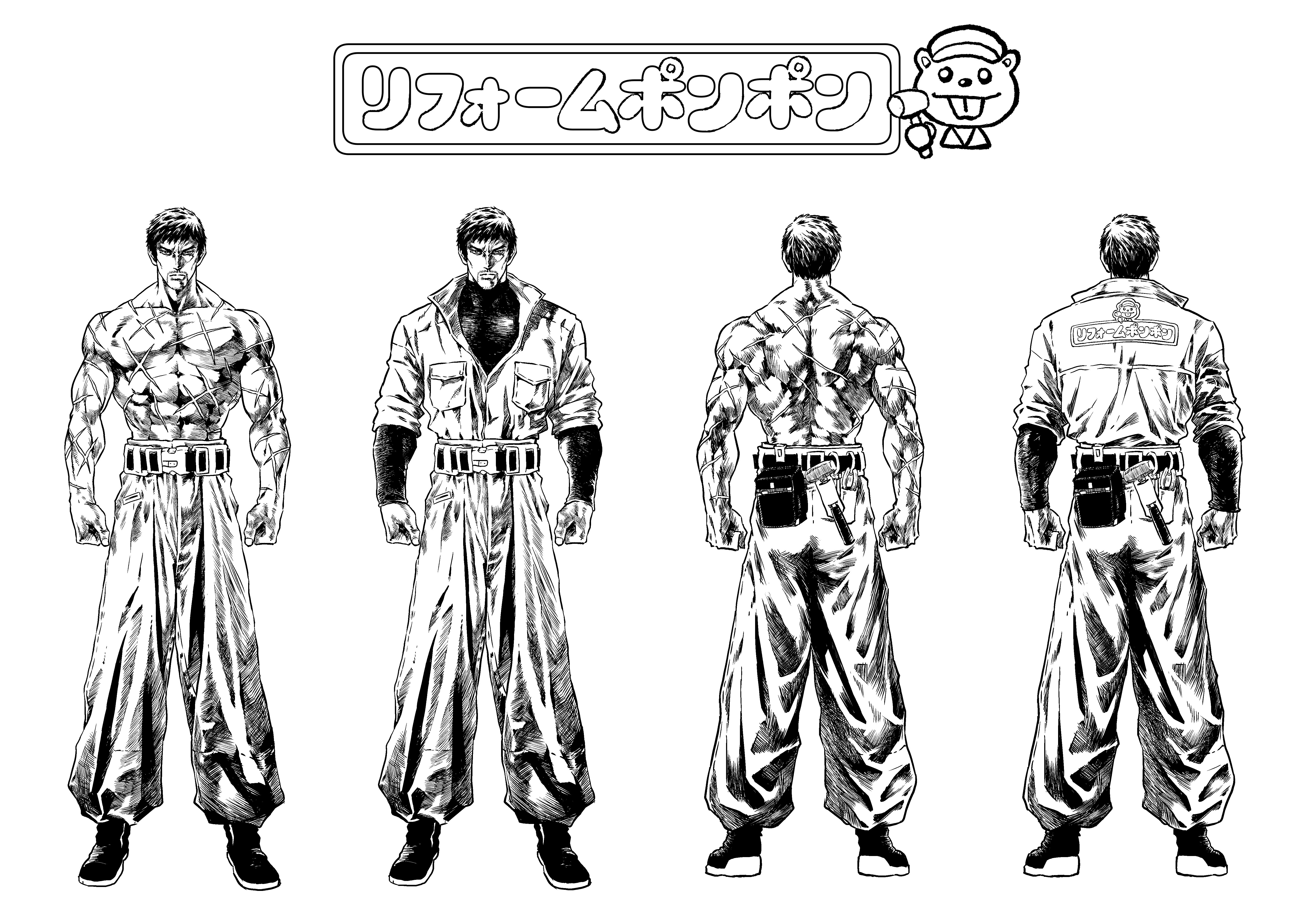
Originally conceived by the acclaimed Japanese manga artist Toshiaki Yamada (“Tokyo Duel”) for the third ZENON Creator Audition, “REFORMER” tells the unforgiving story of the anti-hero Mizuno, a retired hitman with a mysterious past who has a tendency to act before he thinks. With themes that highlight the darker side of Japanese society, “REFORMER” is an untimely a story of justice for the forgotten few in our world.
The ZENON Editorial Department is always eager to help and support the international creators born from the SILENT MANGA AUDITION®.
The newest project developed for the SMA MasterClass is our Artists Village Aso 096k in Takamori, where we expect to have many new MC members debut in Japan with incredible new manga stories! Be sure to keep on following our social media pages for the latest debut manga-news from our MasterClass!