Good Morning MASTER CLASS!!! #11 Ero-Pinku & SagaKuroi
SMA MASTER CLASS, the future manga stars from SILENT MANGA AUDITION®.
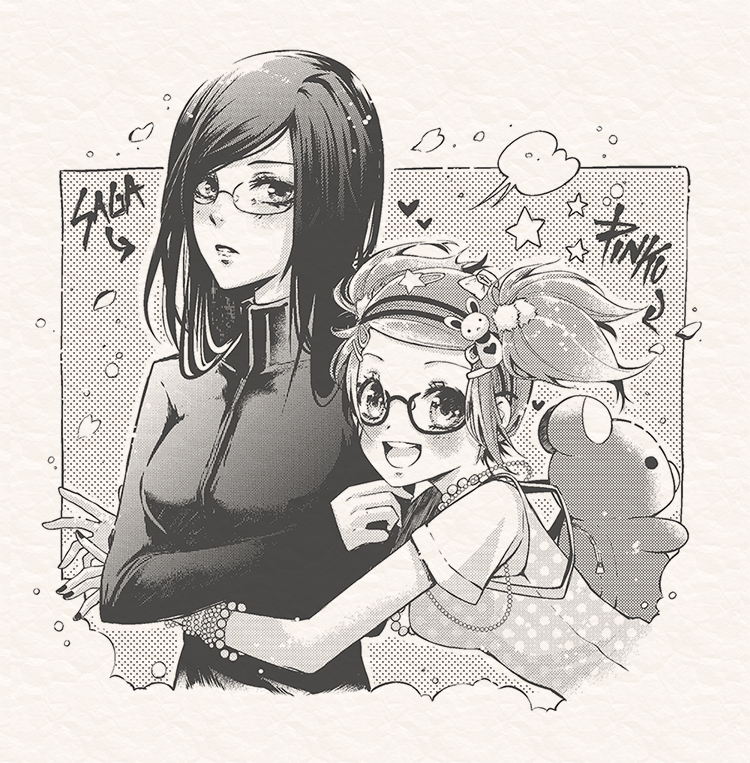
In this series of interviews we’ll uncover the secrets to their manga creations! This weeks MASTER CLASS member is the super duo EroPunku & SagaKuroi from Spain and Argentina.
They’re one of the handful duos to win the SILENT MANGA AUDITION®. They revealed their secrets for overcoming such a large hurdle.
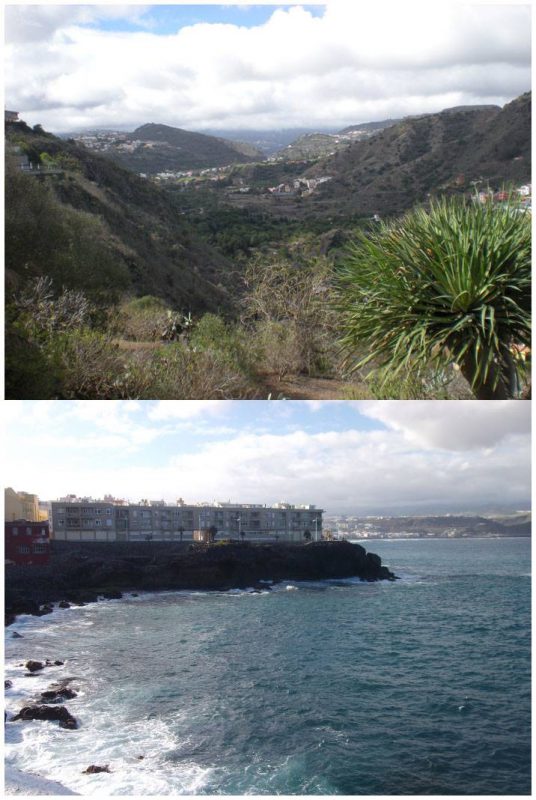
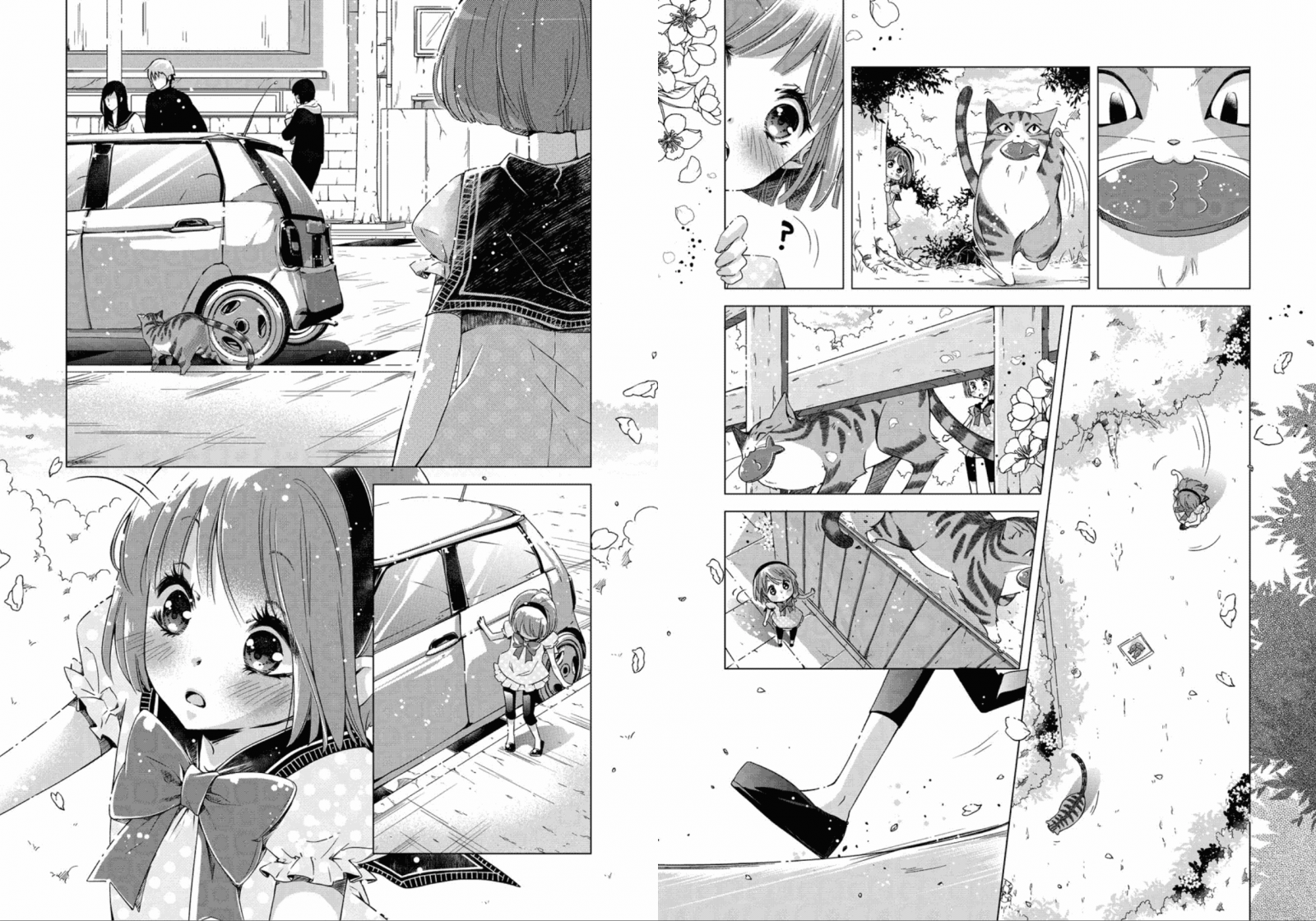
Good Morning Ero-Pinku & SagaKuroi!INTERVIEW WITH EroPinku & SagaKuroi“Working as a team makes us feel supported by each other.”1. Tell us about your countries of origin and where you live? Ero-Pinku lives in the Gran Canaria (Canary Islands, Spain). It’s a very beautiful island (we have the largest region declared as Biosphere Reserve <3) with one of the best weathers of the world (you can go to the beach all the year!) so you can draw without suffering heat/cold strokes. SagaKuroi lives in Buenos Aires, Argentina. It’s another beautiful city full of green places, parks and football fields (football is very important sport there!). She loves the capital because is full of libraries, comic shops, antique architecture and the famous Obelisk.
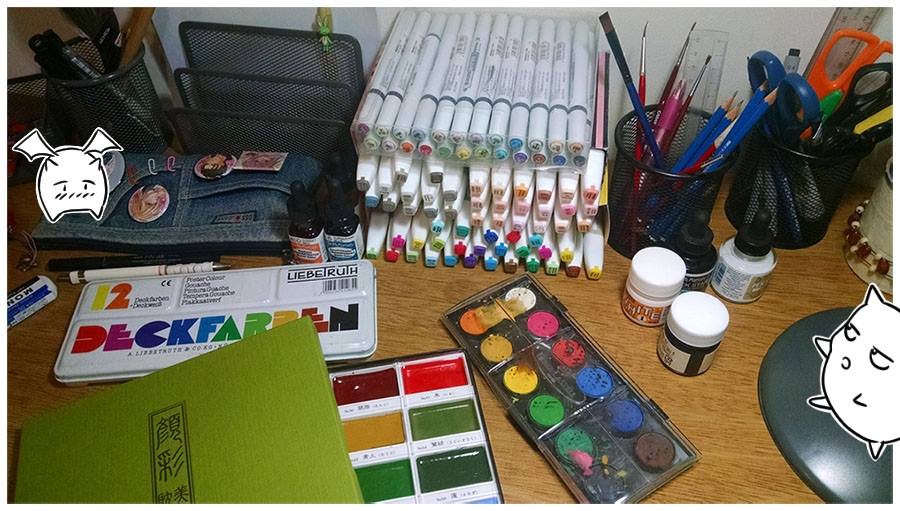
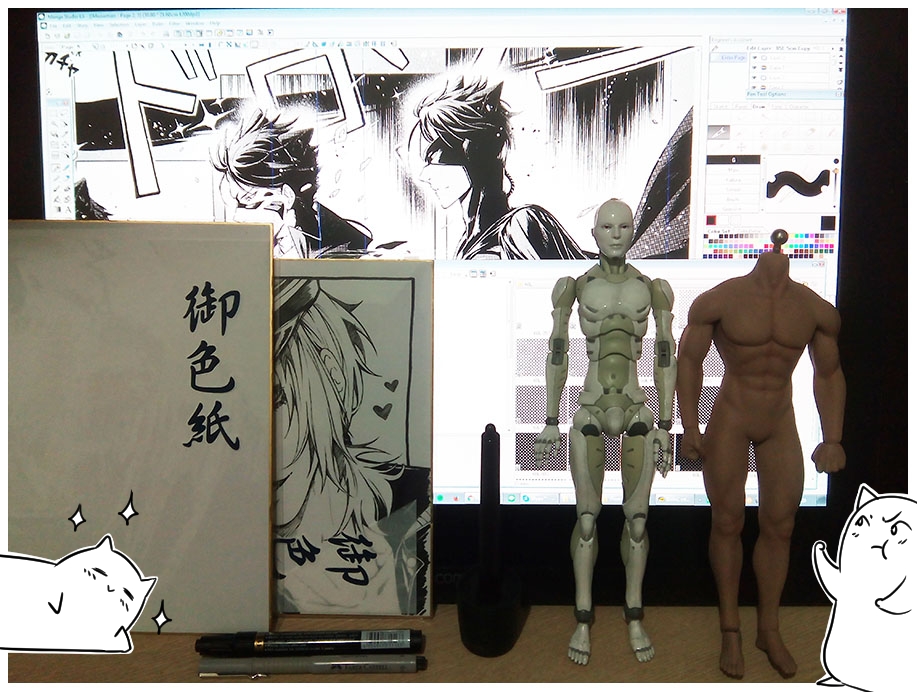
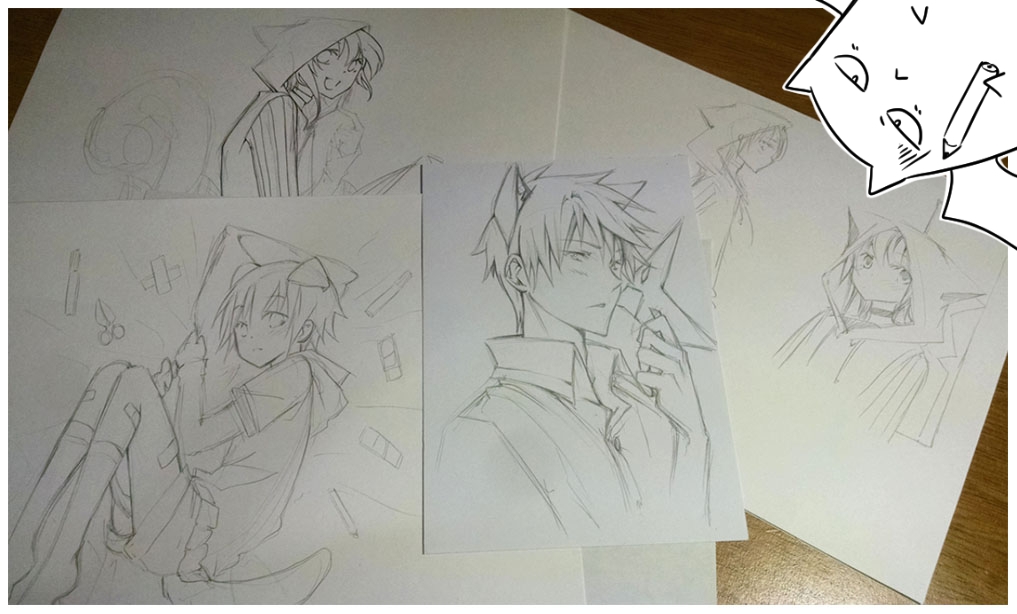
2. How did you first meet and why did you decide to work as a duo? Due to the distance, we met online 5 years ago, in an artist community’s chat for roleplaying. We didn’t know each other but both us were finalist in an international manga contest from Spain, in different years. We decided to join the same contest again but that time, together, only to try if we could work together and so… and we won!! We published our first professional manga together and we decided to continue our path like this. 3. How do you keep in contact with each other and how do you divide the manga creation process? Every day at every moment (we live together in the distance *laughs*) by Skype/LINE and the chat room that brought us together. Since both of us draw and create stories, we don’t divide the work. Depending of the manga, one starts first but all steps are touched by both of us when we think we can contribute with something good to the work. 4. What are the advantages and difficulties of creating manga as a team? Creating manga is a lonely process so working as a team makes us feel supported by each other. We can share knowledge, reviews, skills and ideas, which make the result richer than doing it alone, we learn from each other. Difficulties? Sometimes, we fight because any of us don’t meet the expected times and slows the whole work but we always survive, learn and get stronger after it *laughs* 5. Tell us how you schedule your creations! How long does it take for each step in the process? Which step is your favorite and least favorite? It depends on the story’s length but we usually think about the idea, we discuss it (it’s the most funny part), then we do a script for every page or chapter and we start the NAME. We revise it a few times and do the needed changes. When we like it, we start the pages (sketches, linearts, blacks, tones and dialogues). We can do 3 pages per day or spend all the day with only one, all depends of the difficulty. 6. What kind of tools do you use and which is your favorite? Let us see it! P: My Cintiq24HD! My work is 100% digital so I spend money in articulated figures, digital material and softwares. I usually work with CSP, MS4EX, and SAI.
Since I’m a digital artist, the only traditional work I do is in shikishi so… I only need my tablet to work, no ink, tones etc. outside the softwares;; That’s why this photo is so cold, my work is cold *laughs*.
7. Tell us about your preferences when drawing manga and creating stories? What kind of advice do you have for creating characters and stories? Ero-Pink
I love doing compositions. Sometimes, Saga makes a rough storyboard and I take it to delete/move/add etc. panel and dynamic. It’s really funny and it’s the moment when I feel inside the story and its tempos. I like tones so much too <3. I have four basic ideas in mind for designing a character: Only one concept per character (so it must be “THE CONCEPT”); Unique shape (they should be recognizable); Perfection is boring (defects and scars of life make us what we are); and connections (a characters is not what he SAYS about himself, is what the environment/situations/other characters says about him, so is needed to know which character will be with him and how they fit together. It’s something I learnt from Akira Toriyama sensei). SagaKuroi
I try that characters can move by themselves, that you can see where they are and they can go panel by panel naturally so the reader don’t get lost on the page or story. The best advice I can have for it is “read a lot or manga”. “I know who ordered it expects a good work from me, so I force myself to improve.”
8. How do you practice drawing? I practice doing merchandise for conventions or directly in the professional works. I don’t have a lot of free time between works so with every commission/work I need to do, I try to practice small things I saw and want to try. It’s not something good, you need to do a good work for the client, and sometimes, I should do the same work a lot of times because what “I wanted to try” didn’t work in the end, but it makes me try it harder because I know who ordered it expects a good work from me, so I force myself to improve. “I practice doing merchandise for conventions”
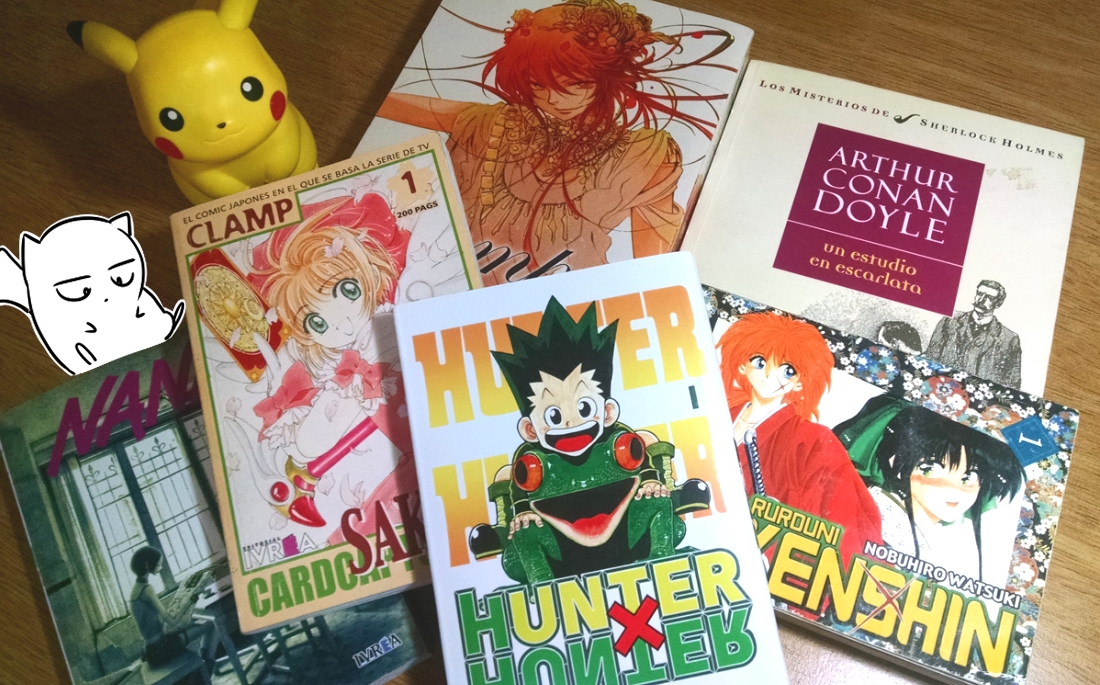
9. Where do you get your ideas from? We role play a lot and, sometimes, without expecting it, we got interesting ideas for manga while we play. It could happen at any moment (or not happening when we need it;;). The ideas could arrive from any place like photos, our old draws, strange dreams (something Pinku does a lot;;), etc. 10. Which manga or manga creator influenced your creative style? What impressed you about those works? We think we can be influenced only in an indirect way. Ero-Pinku is very obsessed with the art so she buys all mangas with beautiful/hot boys. It made her to only wants to do stories with handsome/cute people *laughs*. SagaKuroi loves Yoshihiro Togashi (HunterxHunter), she admires how he surprises you in every chapter and it made her want to do stories that can surprise in someway.
11. What other skills or experiences help you create manga? Ero-Pinku
Sleepless is a skill? *laughs* I studied architecture and I spend a lot of nights without sleeping until the point that it’s something normal to me. It’s good because I needed to do it again while I draw manga;; and I learnt about the responsibility to do my best effort to comply to deadline. I learnt 3D software in the career too, which is something great for creating manga! And of course, roleplaying so much and writing novels made me faster creating stories and solutions for problems, imagination needs to trains too. Saga-Kuroi
I don’t know if roleplaying is a skill (¿) but since I started roleplaying with Pinku, I have more motivation to draw and create. “I learnt about the responsibility to do my best effort to comply to deadline.”
12. What are the specifics areas you focus on when creating manga for SMA? The message. After that, since we can’t use words, we put special attention on the paneling, the movement and camera views to make the composition rides the reader for the message in the exact rhythm that every moment needs to make them more or less important. It has a beautiful cinematic point.
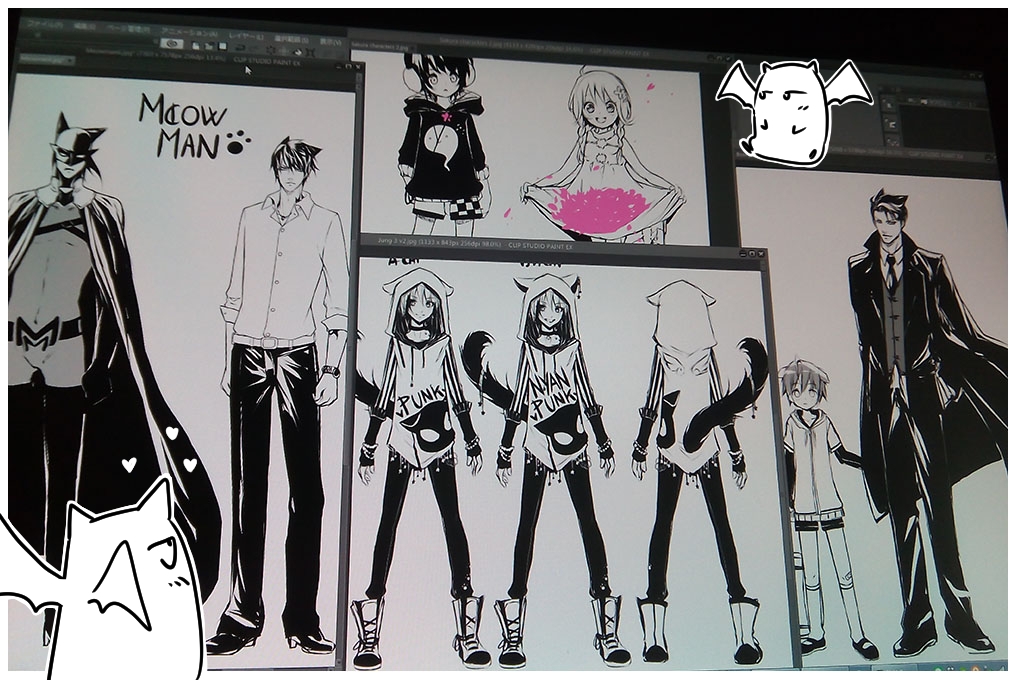
13. What kind of advice have you received from the SMAC! editorial team? A lot of them focused on the storytelling and its secrets. We loved the “Ki-Sho-Ten-Ketsu” because we really needed it when we starred working with our editor. It helped us to understand how to do an oneshot with the same importance and love as we do a full series. 15. Where there any moments you felt, “I’m glad to have entered this contest!”? When we saw the result. We join contests to show our work to professionals who can help us to know if we are in a good direction or not. We felt full of energy to continue. (When we were invited to Japan too because we finally could meet in person, a shojo story! *blush* And we could learn from professional magakas!). 15. Are you planning any future projects? What genre would you like to attempt in the future? Yes, we just release a new manga called “Meowman”! It’s a superhero’s story but as a slice of life with boy’s love spots. We would like to do funny stories with BL spots, so we would like to try any genre when we can include it *laughs*
Ero-Pinku & SagaKuroi From Spain and Argentina
Thank you for your time EroPinku & SagaKuroi senpai’s!
We hope Meowman will make his debut in Japan. Maybe with the geriatric of pirate story you’ve written down. Spanish speaking countries are full of cool manga creators. How many more will join the ranks of the Master Class? Creative teams can also become Master Class members.
So grab your friends and enter SILENT MANGA AUDITION® Round Seven today! SMA7 – SILENT MANGA AUDITION® Round SEVEN "2017 MARCH" “This is your best chance to prove yourself!” – Rocket-start your MANGA career, with generous prizes and the chance to work with manga pros from Tokyo! This is one opportunity that any aspiring manga artist can’t afford to miss 😉 (さらに…) GOOD MORNING MASTER CLASS!!! #10 Lan Vu Dinh
SMA MASTER CLASS, the future manga stars from SILENT MANGA AUDITION®.
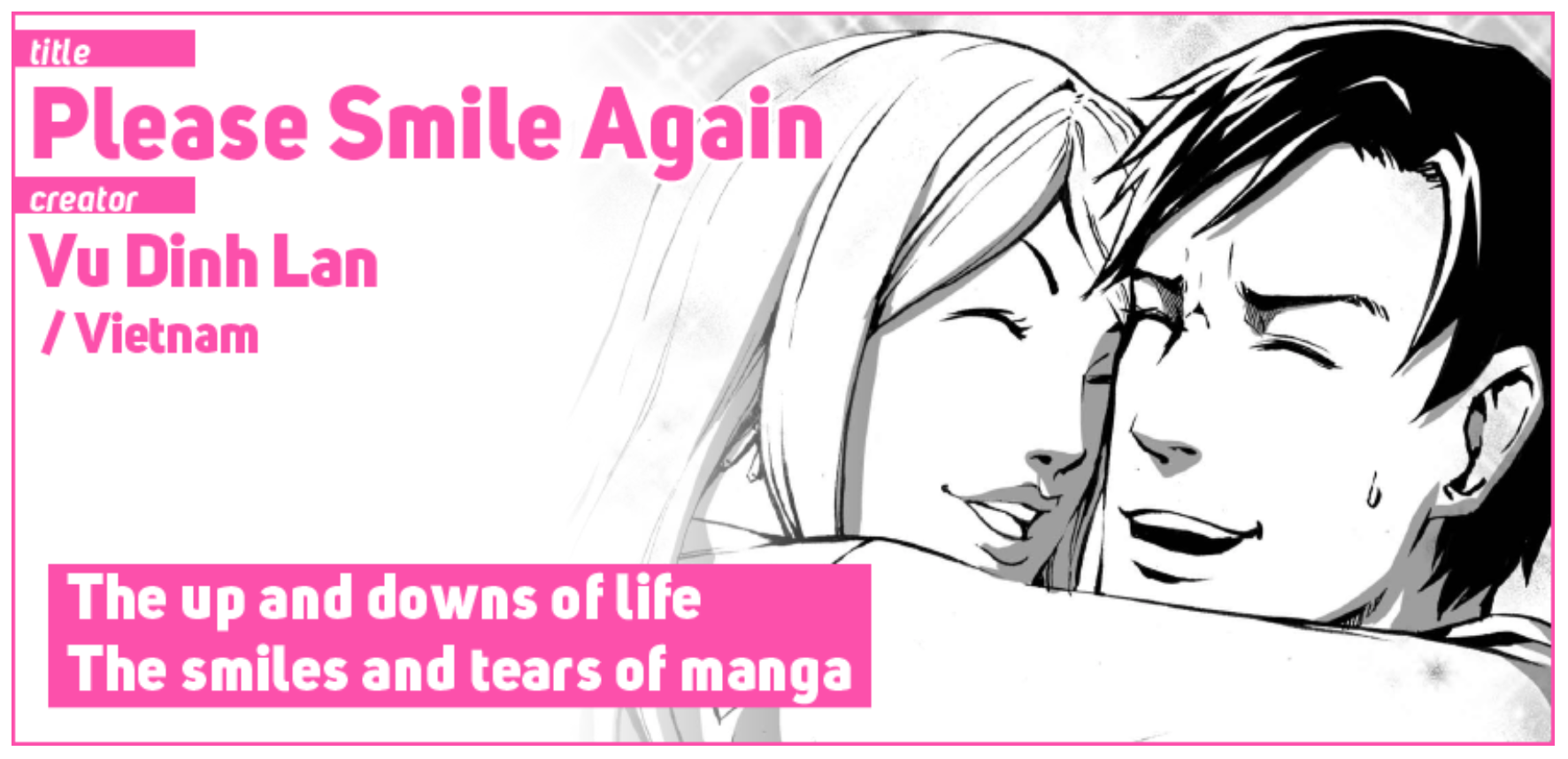
In this series of interviews we’ll uncover the secrets to their manga creations! This weeks MASTERCLASS member is the rising Vietnamese star Lan Vu Dinh.
The advice Lan has received from his friends helped him achieve success in the SILENT MANGA AUDITION®. He was kind enough to share his experiences with us this week.
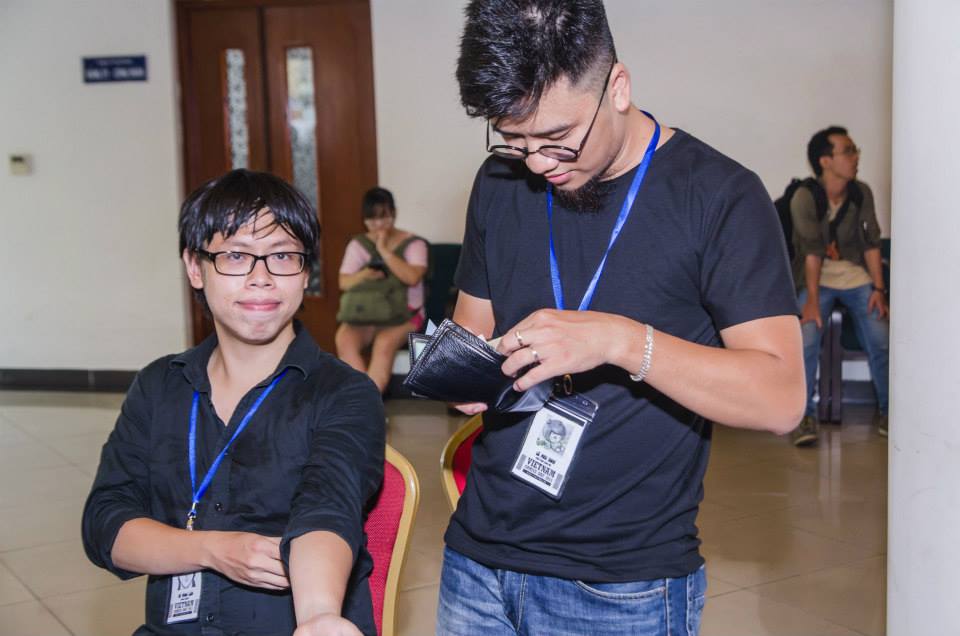
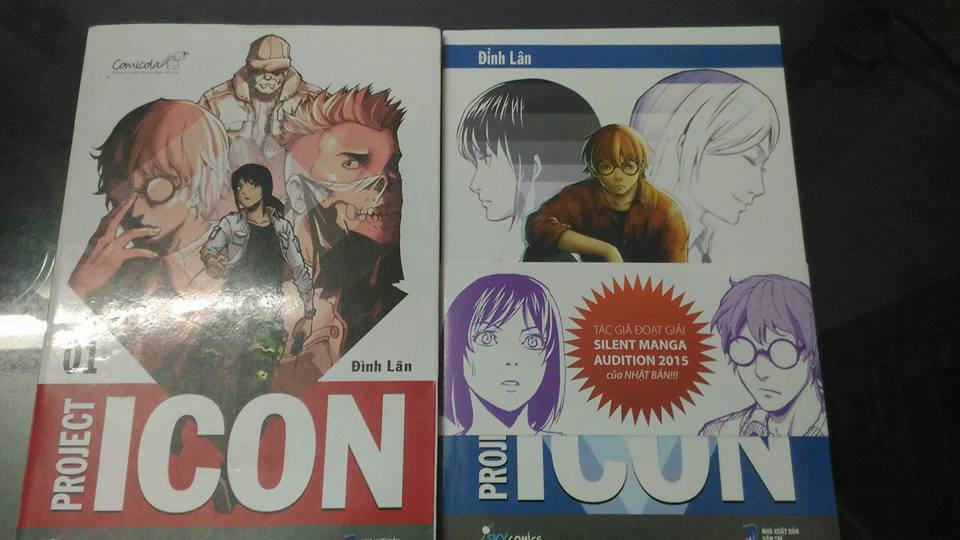
Good Morning Lan!INTERVIEW WITH Lan Vu Dihn“The fan base keeps me going.”1. We read you were at the Vietnam Comics Day 2016 in September. It looked like you had a fun time meeting fans and autographing copies of your manga Project ICON! Vietnam Comics Day is kinda cool. I’ve got my second volume of Project ICON introduced there and got a chance to meet with all of the fans and readers and other artists from all part of the country. Project ICON received quite good feedback from the readers. But it’s price is quite high compared to other Japanese manga, so it’s not really selling well. But the fan base keeps me going.
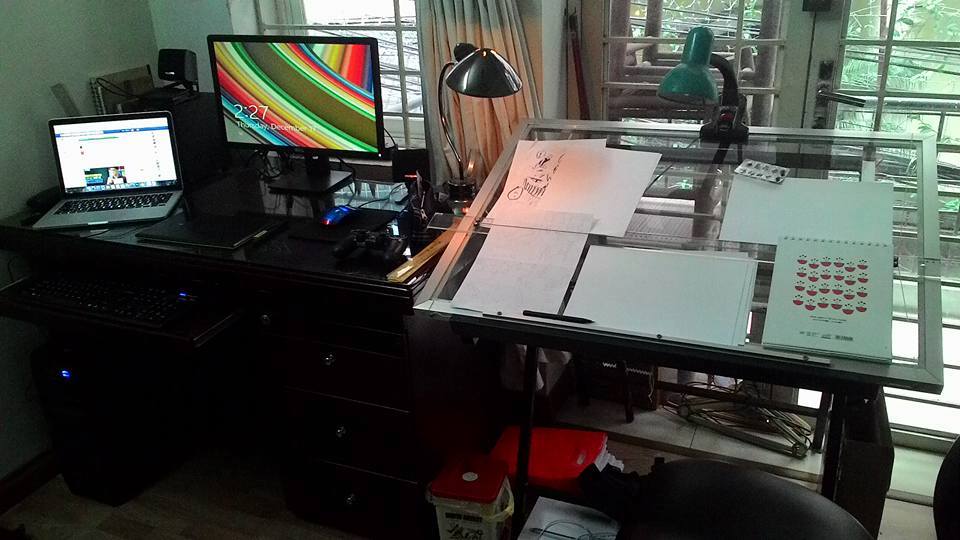
2. What’s your work space like? Do you usually play music when your drawing? I have to have 2 desks for my workspace: one for drawing the manuscript, and one for editing and researching. I like drawing in traditional way. But sometimes my freelance jobs, like drawing comic for advertising products, you know, requires me to draw on the computer.
Normally, I’d clean up my work space after a few weeks. But it becomes a mess again after several hours. That’s why I sometimes go out and find some places like the coffee shop or my old school to draw. It helps my mood a lot when I change my workplaces often. And music, like the Script, 911, Backstreet Boys, My Chemical Romance, etc., would come in handy when I start drawing the manuscript. But when working on the manga NAME, I find music a real distraction.
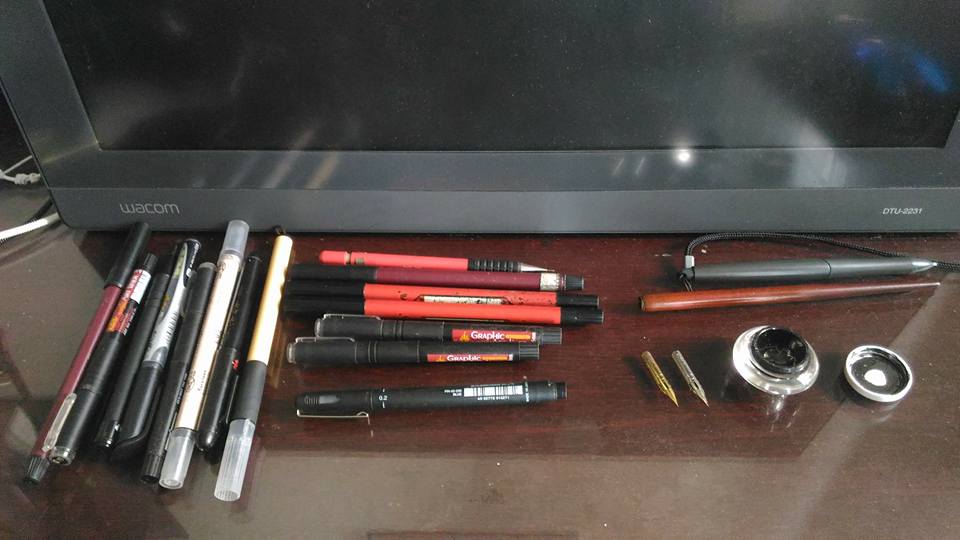
3. What kind of tools do you use and which is your favorite? Let us see it! Here are my assistants! For the G pen, I used Zebra brand. That’s probably the best G pen brand that I’ve ever used. The calligraphy pen is from the Monami brand. I don’t know much about that brand, maybe it’s from China. I bought the G pen from a friend of mine who visited Japan before and other tools from an art shop in my area (I’m not picky about those tools). The big black monitor behind is a Wacom pen display, somewhat similar to a cintiq, but not for drawing purposes. But it serves me well anyway. I use calligraphy pens a lot since they are somewhat similar to brush pen, and I don’t need to prepare the ink when I use them.
G pen used to be less preferable since the ink and paper quality that I had cannot support the pen (It made the tip rusty and broke after a few uses). But my Japanese G pen works like a wonder and could be my favorite if I don’t have to bring the ink bottle with me every time I want to use it.
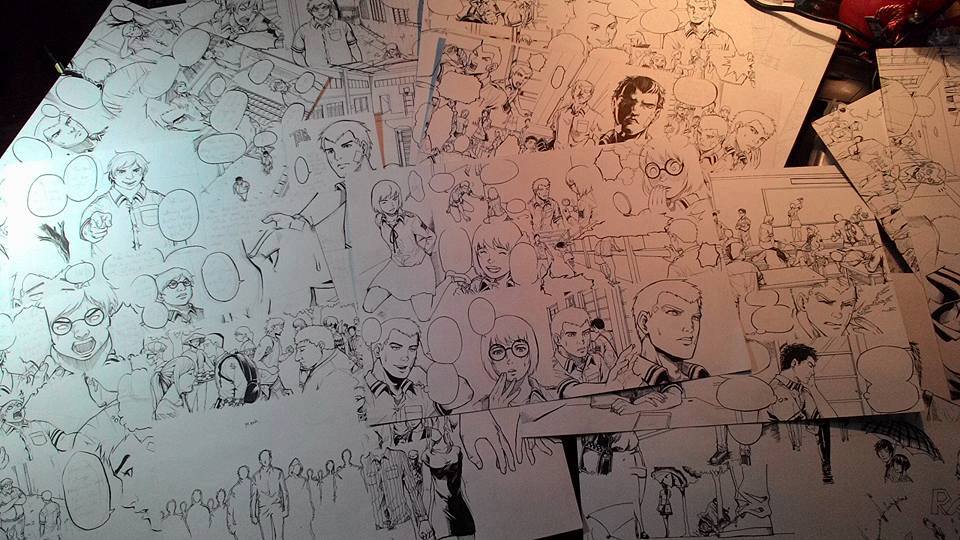
4. Tell us about how you schedule your creations! How long does it take for each step in the process? Which step is you favorite and least favorite? I don’t have a schedule for drawing mangas. I did try, but it never work the way I wanted it to. I guess artists are like that: we often slack off in the beginning and somehow speed up like crazy when the deadline comes. Another thing is when other artists often finish the inking for one page before moving to another; I just sketch the whole chapter, and then move to the inking for all of these pages. I feel that drawing this way make it much faster for me to finish. The least favorite process in drawing manga is the manga NAME. Unlike many others, the time I take for drawing name is much much longer than the time for me to finish the manuscript. It’s hard, but it’s irreplaceable. “I just draw a lot of manga, and my skills just go up.”
5. Tell us about your preferences when creating manga! For each panel in the manga, I usually start from the perspective first. If you can find the right perspective, the story can go smoothly the way you want it. I never really practiced for drawing. I just draw a lot of manga, and my skills just go up. If you really like something, you will eventually find ways to get better at it. 6. Tell us about your preferences for manga storytelling! I always want to make a story that create surprise for the readers. I often leave hints in my panels to connect them in the end. For each panel, I want the flow of the story to go smoothly, so that anyone can understand what I’m trying to convey.
7. Where do you get ideas from? Ideas come from anything around us! When I look at a house, I might think what would happen if it explodes or something. All of these things that I can see are parts of my ideas. If you can take notes when a new idea comes to you, that would be perfect. Good ideas, for me, are not often get by brainstorming, but by chance. 8. Do you have any other skills or experiences that help you create manga? Personally, I think that if I focus all my efforts into developing only one skill, that would be the best. But if gaming skills can be counted as a skill, haha. 😄
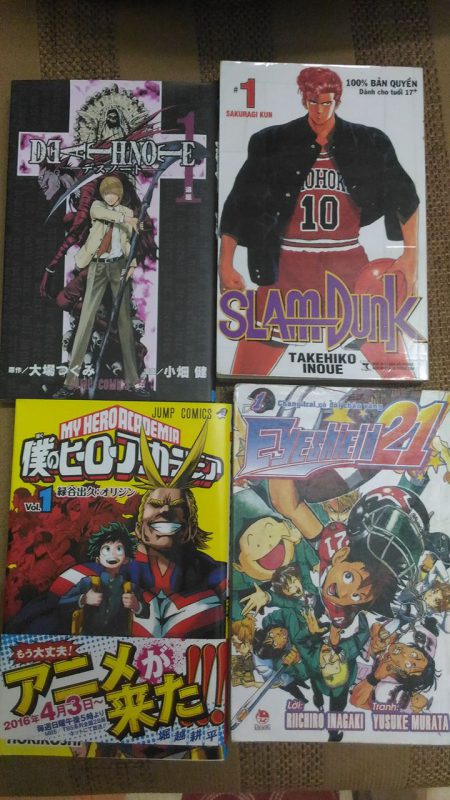
I’m quite good at strategy games, like Heroes of Might and Magic or Fire Emblem. Final Fantasy Tactics, too (I enjoyed it on Gameboy Advance). I like turn based strategy games because they give me time to think the next move, like playing chess. 9. Do you have a favorite manga or creator that influenced your creative style? Death Note by Obata-sensei is what I considered the best manga style, that’s why I studied a lot from it.
I also like Eyeshield 21 by Murata sensei. It’s good at action scene and perspective.
20th century boys by Urasawa-sensei is also one of my favorite, though it’s quite difficult to learn from such an unique style. “Good ideas, for me, are not often get by brainstorming, but by chance.”
10. Have you received any useful help or advice from the editor? How about your manga creator friends? The SMAC! editors are the first actual editors that I work with. They helped me with many of my messy ideas. In Vietnam, the manga industry has not been developed much and there is no specific editor position for a comic.
But I often get feedback from other creators and my artist friends, like criticizing my works, pointing out my mistakes, etc., and they help a lot. That’s how I keep getting better every time. 11. Are you planning any future projects? What genre would you like to try attempt in the future? Right now, I’m running a series “Project ICON” in my country.
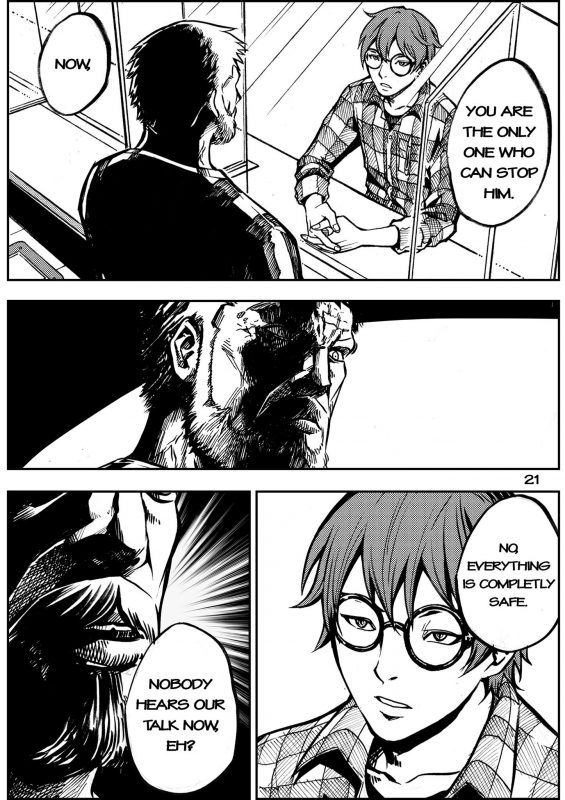
Project ICON is about a survival game. It’s kinda similar to Liar Game. I have a special interest in that type of story. The characters, a girl, Huong, and man with glasses, Trung, are chosen to participate in a TV game show for a grand prize. At first, the game seems normal, but then the players begin to find out that there are many mysteries. I’m also planning for a new project, a “romance with twist.”
Actually, the series that I’m interested in creating is not really a romance series, it’s kind of the opposite… anti-romance, I suppose. I kind of have bad luck with girls, that’s why I want to transfer what happened to me into the manga. Hopefully it can come out soon!
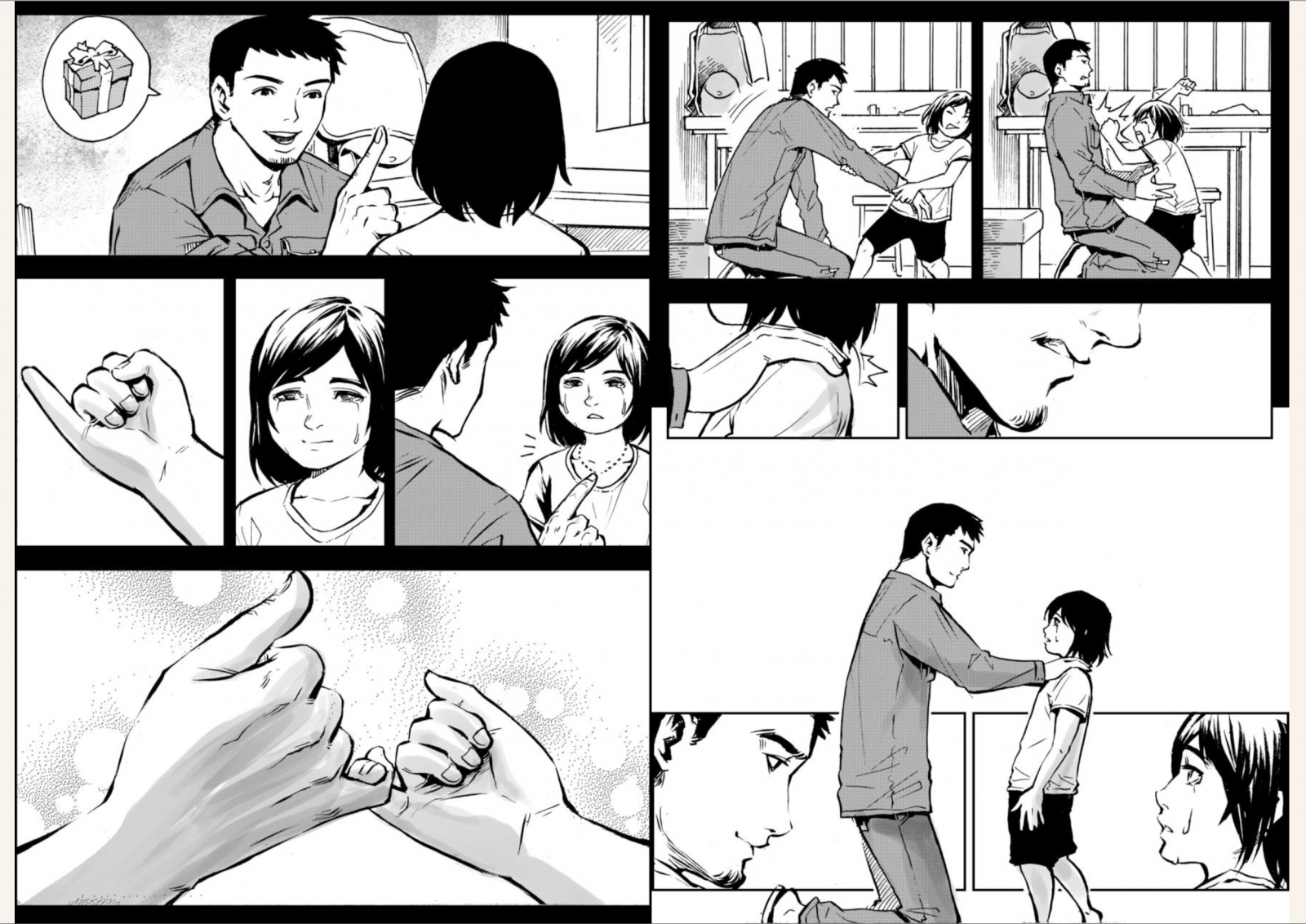
12. What are the specific areas you focus on when creating a manga for SMA? Especially for the SMA, I focused on the storytelling and emotion of the characters. In fact, I’m not really good when it comes to story without dialogues, since I usually fill my manga with a lot of text. But after 3 attempts at the SMA, I finally figured out which part should I focus on.
I have to think a lot about how each panel play out, especially when transferring scenes. They must also bring about a movie-feelings to the readers. Emotion is especially hard for me, since I used to get a lot of criticism that my characters are emotionless. But this competition has helped me figure out how to make my characters come to life! “This competition has helped me figure out how to make my characters come to life!”
13. Are there any moments you felt, “I’m glad I entered this contest!”? I must say this contest changed the way I draw comic. It helped me develop a lot. I also get the chance to know many artists from around the world and the SMAC! Team. I believe this is a good base for me to create better manga in the future!
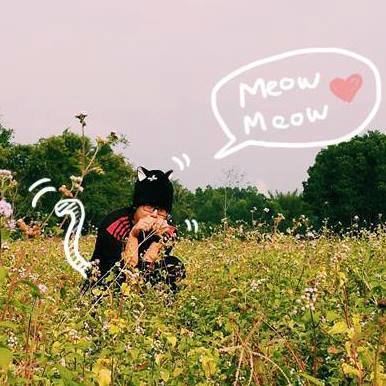
Lan Vu Dinh From Vietnam
Thank you for your time Lan senpai!
Your imagination powers us all! We can’t wait to read your anti-romance series ( we all love romance as much as we hate it 😉 ) We also hope Project ICON will have a foreign language release in the near future! Are you going to be the the next student in the Master Class?
Enroll in the SILENT MANGA AUDITION® Round Seven today and find out! GOOD MORNING MASTER CLASS!!! #09 MAUDY NATHANIA
SMA MASTER CLASS, the future manga stars from SILENT MANGA AUDITION®.
In this series of interviews we’ll uncover the secrets to their manga creations! This week we roundup the four week Indonesian feature with Maudy Nathania!
She’s one of the few student MASTERCLASS members and part of the creative team Kalongzz! She was kind enough to tell us what school taught her about creating manga!
Good Morning, Maudy!INTERVIEW WITH MAUDY NATHANIA1. What’s your work space like? Do you usually play music when your drawing? My workspace is in my bedroom. I like to work inside my room because I can concentrate better.
I share my room with my sister, but I have my own table to work beside my sister’s workspace. Yes, I really like listening music when I’m work.
It’s calming and helps me to think clearly while creating a story or drawing comic.
I have my own music playlist but sometimes I listen to the radio. My playlist music consist of western pop music and instrumental music.
Maudy’s work space. One desk for her, one for here sister.
2. What kind of tools do you use and which is your favorite? Let us see it! Well, my most favorite tool is pencil for drawing or even making comic (for example my recent silent manga comic “Birdy”).
Normally I use drawing pen for the outline, but I prefer pencil because I can create more smoother line and shading. Now that I’ve begin to use digital media to create comic, I switched my pencil to wacom pen tablet and use Manga Studio and Photoshop program.
Indonesia’s favorite snowman for pen along with fabercastle pencil.
3. Tell us about how you schedule your creations? How long does it take for each step in the process? Which step is you favorite and least favorite? First, I start thinking the story.
I often think the ideas while I’m sketching since it’s more effective for me.
Then if I get an idea, I develop it by making a storyboard in a separate piece of paper with a dialog on the side (I make little sketch because it’s faster and if there’s a mistake I can change it easily).
When it settled, I move to Manga Studio and make a name which is more clearly and ready to outlined.
After that, I turn the name into a final page of manga and finish it in Photoshop by adding the text.
I enjoyed every single process, which sometimes make me create the manga too long.
Storyboards! Maudy style.
4. Tell us about your preferences when creating manga! When drawing a manga, I start drawing the human first.
I draw the face, then the hair, eyes, nose, mouth and continue to the body.
I prefer drawing human rather than background. But still, making both of them is really hard so I’m still practicing.
I often look for a reference from internet and books when drawing comics/practicing.
Maudy practices drawing human characters.
5. Tell us about your preferences for manga storytelling! For the panel layouts, I like the simple one.
When drawing a manga, I always try to keep the paneling simple.
I draw facial expression based of what I feel. I’m also learning how to make the facial expression from many books or manga.
For the text in manga, I use Anime Ace font that my sister recommended. It’s like a standard font I often seen in comic book so I like to use it. 6. Where do you get ideas from? I can get ideas or inspiration from many ways, like when I‘m reading a book, playing games, or watching TV.
When I’m doodling, I could get some ideas too. The ideas also can appear in the time when I got nothing to do.
Sometimes when I’m about to sleep or waking up from sleep, I could suddenly got an idea.
My experiences and the other’s has became inspiration for me as well. 7. Do you have any other skills or experiences that help you create manga? Because I’m currently studying in Faculty of Art and Design, I’ve got skill and experience from every assignments I get in there. For example I have learnt how to drawing human, animal, scenery, etc.
Also, I learn to make a composition, layout, colour. All of it supports me when create a manga. I almost got into graphic design but there are a lot of competitive student. But, my major is craft, where I learn something like textile making, how to make ceramic, cloth pattern, etc. Sometimes it’s more related to fashion and culture, so I learn about ours and others culture craft.
Maudy likes to explore new design patterns.
8. How is school treating you? Do you talk about manga or share advice with your friends in school? The usual, same old assignment and exams. After winning smac, a lot of people in college approach me and asking a lot about smac, and they become interested to join the competition as well!
i only discuss manga to chess xD
I talk about advice a bit yes, cause i dont think i can give a lot, since im still learning as well, especially those who ask already know the basic for comic. 9. Do you have a favorite manga or creator that influenced your creative style? My favorite manga would be Yotsuba&! by Azuma Kiyohiko. I’m not sure if it’s influenced my art style or not, but I like the detail in his comic, especially the background.
Also the story is so funny and creative. I also like Adachi Mitsuru-sensei’s works; the simplicity he used in panel layouts inspired me.
“Mitsuru Adachi” Sensei is an inspiratie for many, including Maudy.
Every manga creator has her favorite comic books…
10. I heard your sister is a member of the manga creator duo CHESS. Do you help each other when drawing manga and has she influenced your creative style? Yeah we like to help each other, like giving an advice for our own manga (she’s also help me in english). It’s so helpful since we have a same taste, same way of thinking in creating manga. I don’t know if she’s influenced my draw, peoples say that we do have a similar style but we don’t think so. But for the making of my manga, I think the way I listened to my sister’s advice can count as ‘influenced’, right? 11. Have you received any useful help or advice from the editor? Yes, I’ve received many advice from the editors at SMAC! especially when assembling my story ideas for the comic series.
It was really helpful because I‘m still not confident enough in making comic and all I do is follow my instinct. It’s like when I’m stuck, I just follow my heart, what I felt, not think. So, I really appreciate the help. 12. Are you planning any future projects? What genre would you like to try attempt in the future? Yeah, maybe after I finish my college it will be easier for me to do it.
The manga I made before are mostly for competition, and only oneshot. So i havent been working or made comic for myself. xD
Well, I like comedy and slice of life genre. I made a manga especially for coamix and i hope it get a nice respond so it can be published as series. The story is about a girl who lately feels that her mom change, rather change in the positive ways, she turns out weird. She decided to search a clue about her mother(why she change), and she find a big unusual egg. 13. What are the specific areas you focus on when creating a manga for SMA? I’m interested in drawing the characters (rather than setting). So I always focus on drawing the gestures and facial expressions more than the background.
Practicing expressions for “Birdy.”
14. Are there any moments you felt, “I’m glad I entered this contest!”? When I became a member of the Master Class, because it’s really pushing me forward to become more productive in making manga. I feel blessed that I can get the opportunity to publish my work.
Maudy’s self portrait.
MaudyNathaniaFrom Indonesia
Excellence Award winner of SILENT MANGA AUDITION Round 3.
Grand Prix winner of SILENT MANGA AUDITION Round 4.
SILENT MANGA AUDITION Extra Round1 – MASTER CLASS CONTRIBUTION
Thank you for your time Maudy senpai!
Next time we talk, you might be teaching us about manga creation! We’re looking forwards to reading the a fun little slice-of-life story about an alien baby on earth! Are going to be the the next student in the Master Class?
Enroll in the SILENT MANGA AUDITION® today and find out! GOOD MORNING MASTER CLASS!!! #08 Roberto F.
SMA MASTER CLASS, the future manga stars from SILENT MANGA AUDITION®.
In this series of interviews we’ll uncover the the secrets to their manga creations! This week’s MASTERCLASS is the master world builder, Roberto F.!
He’s entered SMA multiple times and won his first GRAND PRIX Runner up in 2015! We’re always stunned by his rich and developed worlds.
Let’s find out what how he makes those worlds together!INTERVIEW WITH ROBERTO F.1. What’s your work space like? Do you usually play music when drawing? I work in my room, it is a messy place however organized, I always know where to find everything. I listen music when I work, the music helps me forget that I’m home. Of course I love Tokyo Jihen, Shiina Ringo, Também adoro, Do as infinity, Tsukiko Amano, Me-Al Art, Gesu no Kiwami Otome, Red Hot Chili Peppers, No Doubt, Pentatonix, System of a Down, Laila Garin, Luiza Possi etc… generally I like all their songs, but between I hear there are countless musicians and styles, from classical music until dubstep. These days I’ve been listening to K-pop, Dubstep and Game-Music, are lively and help me work! A month ago I was listening very Eurodance … hahaha! weird, huh 😎 ?
Ordered chaos, that’s what Roberto likes.
2. What kind of tools do you use and which is your favorite? Let us see it! Mechanical pencil, pencils, brushes, blue graphite, liquid paper, ink white, and several pens.
Roberto’s main weapons: Komikeshi erasers, Copic multiliner pens, Pigma micron pens, Kuretake No. 14 Pocket Brush Pen, among many others.
3. Tell us about how you schedule your creations! How long does it take for each step in the process? Which step is your favorite and least favorite? I usually work at night and early mornings, but recently I changed my schedule to work in the morning and stay awake during normal business hours. I usually linger about 4 hours to do a full page. My favorite process is to design, draw and make art final ink, I do not like to trace measures, line panel and balloons.
Wow! Look at all those sketches and plans.
4. Tell us about your preferences when creating manga! I usually start with a scrawl marking some limits silhouette, just after eyes and mouth are key to guide the expression for the rest of body.
When I exercise my drawing style I try to draw things difficult for me, but when I practice in my sketchbook I just drawing things I like.
A baby practicing martial arts?
5. Tell us about your preferences for manga storytelling! I want to make stories that really show the emotions of characters and it also explore the world background.
I think the better examples of good background story are: Metal Gear Solid (Game), Game of Thrones (series) and Cast Away (movie).
I just think everything should harmonize and keeping the pattern. 6. In your manga in SMA4 “PLAY,” was the model of the lady Shiina Ringo? That’s right! I love the songs her and her former band “Tokyo Jihen”. Shiina Ringo’s music did inspired me on a difficult part of my life. I have a lot to thank the “Tokyo Jihen”. The “PLAY” manga was only a small tribute, but I was very happy to do! 7. Where there any people who encouraged your passion? My aunts and grandmothers always encouraged me, the main reason of my evolution was I never thought that I could not.
I do not have much contact with them but unfortunately a grandmother died and other aunts live far away 🙁 .
If I stopped to be self-critical when I was drawing badly, I could have given up.
…and technically, I try to decipher techniques to improve my skills, currently the Internet helps me a lot! 8. Do you have any other skills or experiences that help you create manga? I draw since I was a child and always studied alone. At 16 I studied at the “Maestro Fego Camargo” school of arts for three years. This really helped my artistic evolution.
I also play RPG (Role-playing game) for many years, this is the main reason for me being a storyteller!
The most interesting that I’ve played are D&D (Dungeons & Dragons), Digimon (RPG adapted), Marvel & DC heroes, Resident Evil, Silent Hill end Naruto.
Also I played an RPG about the story I’m writing to SMAC!, but I am suspect to eulogize it! hehe! ^^ 🙂 . 9. Do you have a favorite manga and creator that influenced your creative style?
What a selection of manga. Everything from “Neon Genesis Evangelion,” Dragon Ball,” and “Tokyo Mew Mew.”
10. Have you received any useful help or advice from the editor? Yes many times! In SMAC! every production step is the editor support. When I lose story perception a little bit, Taiyo gives me a light.
Always using technical rules. 11. Are you planning any future projects? What genre would you like to attempt in the future? I think about many things for my future projects, but I am focusing only next step.
Now my plan is to finish in good time my first chapter of my manga to SMAC!.
Houseki would be 50 years after the same story I told in RPG and most of the elements were tested and mature RPG ^^ v 😛 .
For many years I have been developing gradually “Houseki”. When I created, I thought of settings that enrich the series, as collectibles factors, diversity of personalities, contrasting emotions etc, planned the story on that basis and changed numerous times.
Wow! This all started from a RPG!
Here’s a preview: …In a world where magic stones called “houseki-sama” are synonymous of power, wealth and divine ….
several groups struggle to maintain power or to maintain the stability of the world …
As red samurai – the 12 women army –
The army of blue ribbons – the branched heavenly army –
The esgástulos and their armies mechas- (Ergástulo has no translation yet haha 🙂 )
and you end fighting alone, which side do you part? !! buy pre sale now!
How is this character and world going to develop? No RPG will tell us.
Roberto’s self portrait
Roberto F. From Brazil
SILENT MANGA AUDITION Round 3 – The Excellence Award Winner
SILENT MANGA AUDITION Round 4 – Grand Prix Runner Up Winner
SILENT MANGA AUDITION Extra Round1 – MASTER CLASS CONTRIBUTION
Thank you for your time Roberto senpai!
Your passion drives us all! We’re looking forward to seeing his next series on SMAC! Web Magazine.
Stay tuned with us to get the latest information! Who’ going to be the Master Class member? It could be you!
Enter SILENT MANGA AUDITION® today!
Your talent inspires us all! Credit: Interview by Sayuri Kimizuka and Ken-Iikura-Gross GOOD MORNING MASTER CLASS #07 Olvyanda Ariesta
SMA MASTER CLASS, the future manga stars from SILENT MANGA AUDITION®.
In this series of interviews we’ll uncover the secrets to their manga creations! This week’s Indonesian star is Olvyanda Ariesta!
He’s entered SMA every year since Round 1, and, amazingly, won 4 awards in a row! His heartwarming stories always mesmerize us.
How does he create his stories? Let’s find out by getting to know him!INTERVIEW WITH OLVYANDA ALIESTA1. What’s your work space like? Well, a small table, papers, pens, pencils, my laptop, and my pen tablet.
Olvyanda’s work desk. His preferred sitting style.
2. What kind of tools do you use and which is your favorite? Let us see it! I prefer drawing traditionally first and continue inking in Photoshop app.
My tools are randomly pens and pencils. My pen tablet is Wacom intuos4.
I usually use traditional drawing for line art and digital painting for coloring.
Snowman Drawing Pen again!! 😮
3. Do you usually play music when drawing? I don’t really listen to music when I focus on drawing, but sometimes I do.
My music playlist are dominated by retro rock music like Led Zeppelin, Scorpions, Dream Theater, Firehouse, Mr. Big, and more! 4. Tell us about how you schedule your creations! How long does it take for each step in the process? Which process is your favorite and least favorite? Before drawing I determine the purpose and messages of the story.
Then I make the premise, plot, and characters. And then I make the storyboard.
I try to finish one page in a day, but it depends on the project.
Usually I can finish 1 illustration in a night.
My favorite process is translating the textual narration to the visual narration. 5. Tell us about your preferences when creating manga! My preference when drawing is shading in.
This part is very important because it makes my drawings have depth illusion and look better.
It takes much time but worth it. I feel really satisfied to see the finished work.
Olvyanda’s doodles. Looks like the characters are alive!
6. Tell us about your preferences for manga storytelling! I always close my eyes when I think about storytelling. I imagine that my story is a movie, so I think how the opening should be, how the camera angle moves, and how to express the emotion.
My goal is to make a cinematic storytellng to make my readers feel like they live in my manga.
So I study these techniques by watching films or games. 7. Where do you get ideas from? Ideas come from everywhere!
It is about what you see and hear and how your feel about it.
Reading books/manga, watching movies, playing games, walking around.
Those experiences help me to create manga. Never ending practice! 8. Congratulations on the birth of your first child! Do you feel you changed after your child was born? Obviously changed! I became wiser and more responsible.
But, my manga doesn’t change at all.
I always put my message about goodness in my work and hope to spread it all around the world. 9. Do you have a favorite manga creator who influenced your creative style? My favorite manga is 20th Century Boys by Urasawa Naoki sensei.
I like its characters, especially Kenji and Otcho. They are a portrait of Hero!
And my art style is influnced by Vagabond by Takehiko Inouesensei, especially when I draw the background.
Of course Indonesian creators too! Sweta Kartika, Is Yuniarto, and one of Master Class member Alex Irzaqi.
I often have contact with him online.
Olvyanda’s collection. “20th Century Boys” and many reference books.
“Vagabond” by Takehiko Inoue sensei.
10. Have you received any useful help or advice from the editor? Yes, SMAC! editors help me a lot. Techniques of effective panels, characters ideas…and more!
And they show me a different perspective and ask me some questions that guide me to create a better manga. 11. Are you planning any future projects? I’m creating a manga based on Indonesian folklore.
The protagonist is a brave Chicken. Isn’t it surprising?
I’ve had this idea since 2 years ago.
Please look forward my next work! And this is my first comedy touch manga.
Since the characters are animals, and to avoid boredom, I try to draw comically.
Who’s that cool character?
12. Why did you decide to use a chicken as the protagonist? Not only chicken, animals always inspire me.
They are tough and have ability to survive in nature.
So I think animals are beautiful and unique existence. 12. What are the specific areas you focus on when creating a manga for SMA? I did my best on building emotion through scenery.
I want readers feel the world that I created and let them in, like how they feel cold and wet when they see the rain scene,
or how they feel melancholy when they see scene of a dandelion flies by wind. 13. Are there any moments you felt, “I’m glad to have entered this contest!”? I feel so happy to meet great persons in SMAC!.
Now, if I’m confused about create a manga, I know where to ask.
It is like I have a friend that I can really rely on.
Becoming a member of Master Class is a bless for me. <Master Class Profile> Olvyanda AriestaFrom Indonesia
The Excellence Award Winner of SILENT MANGA AUDITION Round 1
The Excellence Award Winner of SILENT MANGA AUDITION Round 2
The Excellence Award Winner Runner Up of SILENT MANGA AUDITION Round 3
Honourable mention in SILENT MANGA AUDITION Round 4
SILENT MANGA AUDITION Extra Round1 – MASTER CLASS CONTRIBUTION
Thanks so much, Olvyanda senpai!
His love of animals is unparalleled! He’s creating his next manga, starring the chicken, with the SMAC! editorial team.
Don’t miss the latest information about it! Will you become a member of the Master Class? We won’t know unless you enter SILENT MANGA AUDITION®!
Your talent inspires us all! GOOD MORNING MASTER CLASS!!! #06 Vanilla
SMA MASTER CLASS, the future manga stars from SILENT MANGA AUDITION®.
In this series of interviews we’ll uncover the secrets to their manga creations! This week’s Indonesian star is Vanilla!
The duo – who are not only twins, but also college student – draw the cutest characters in SMA!INTERVIEW WITH VANILLA
Left: Ema. Right: Lala. You can distinguish the two by the beauty spot.
<Introduction> Lala and Ema make up the duo Vanilla. 1. How do the two of you create manga together? We don’t divide the work completely.
We think of the story together.
But for drawing, usually Lala does the sketch and makes the manga NAME (draft storyboard) first, and Ema does the inking later. And Lala helps with the toning, too. 2. What’s your work space like? Do you usually play music while drawing? Our work space is quite simple, we have 2 mini tables.
One for drawing digitally and another one for drawing traditionally.
A simple PC and pen tablet. Can you see all the figures on the shelf?
Vanilla use a compact desk for traditional drawing. Easy to carry!
We do listen to music! It helps us relax.
Sometime we play music while drawing manga to see how it feels with music, like in a movie.
Our favorite artists are Hiroyuki Sawano and Kajiura Yuki.
We love anime songs! 3. What kind of tools do you use and which is your favorite? Let us see it! For digital, we use Manga Studio and Photoshop.
For traditional, we often use our lovely mechanic pencil and watercolors tools.
One of the rare creators who uses water colors among the Master Class. They also use normal mechanical pencils.
4. Tell us how you schedule your creations! How long does it take for each step in the process? Which step is your favorite and least favorite? NAME is the hardest part, but the most important part.
Designing characters is our favorite part.
After finishing all the process, we read our manga together! 5. Tell us about your preferences when creating manga! How do you practice drawing? We decided the pose of the character first, then draw it from the eyes.
For drawing practice, we are quite active in fandom, so we draw a lot of fan arts (almost every day!).
Vanilla sometimes uploads their illustrations to SNSs.
Hobby=practice!
6. Tell us about your preferences for manga storytelling! “Ki-Sho-Ten-Ketsu” is important!
To be honest, it’s very hard to adopt this method in manga.
But, if you can use this you can make a great manga!
So keep practicing and never give up!
For panel layouts, HIKI-GOMA, try to always remember this!
And also make a smooth flow of panels. 7. Do you have any other skills or experiences that help you create manga? I think this counts as a skill, we can change our voices to be like a baby, child, or older person, like voice actors/actresses do (though we are amateur ^^;)
So every time we create a manga, we voice out the characters! And we have a funny habit.
When we draw a character, we unconsciously make the same facial expression as the character does.
So we are smiling when we’re drawing a smiling character! 8. Where do you get ideas from? We get an idea when we are day-dreaming, usually before we go to sleep or when we’re doodling.
And sometimes we have a similar scary dream!
If it’s interesting, we share it with each other.
Vanilla’s daily doodles.
9. Do you have a favorite manga or manga creator that influenced your art style?Aya Kannosensei! We fell in love with sensei’s gorgeous art style since we read “OTOMEN.”
We like the idea that the boy (protagonist) loves to do girly hobbies and tries to hide it!
Left to right: “School(Gakuen) Babysitters,” “Slam Dunk,” “Otomen,” “Black Butler,” and “Natsume Yujincho”
10. Are you planning any future projects? What genre would you like to attempt in the future? We are doing one-shot right now with SMAC! editorial team.
We plan to draw a slice of life story like Natsume Yuujincho by Midorikawa Yuki and Gakuen Babysitters by Tokeino Hari.
Natsume Yujincho puts us in a heart warming mood. Gakuen Babysitters is a good source to think about our characters.
The babies in Gakuen Babysitters are lethally cute! 11. Have you received any useful help or advice from the editor? Mayu always helps us when we were stuck.
She share her ideas with us and teaches us about manga creation skills like “Ki-sho-ten-ketsu.”
She patiently explains it to us so many times and gives us advice for panel flow!
And Mocchi, he told us that our strength is CUTENESS of characters.
So we try to pursue and improve it. 12. What are the specific areas you focus on when drawing for SMA? Paneling and Storytelling!
We carefully organize the paneling flow to be able to read smoothly.
And also tried to avoid making two “Ketsu” (“Ketsu” must be only one!).
But, we still need a lot of practice for these two points. 13. Are there any moments you felt, “I’m glad to have entered this contest!”? When we won an award of SILENT MANGA AUDITION®!
It was our first time drawing a manga.
And before joining the competition, we said “why don’t we give it a try?” and since then our dreams is to become a pro mangaka. Also, when we were invited to Japan!
We met other contestants and editors of SMAC!
Those were very precious moment because we didn’t have any creator friends!
And we could meet legendary manga pros, and discuss the process of making manga together ! And one more thing, Akihabara was like heaven! <Master Class Introduction> VanillaFrom Indonesia
Honourable Mention Winner of SILENT MANGA AUDITION Round 1
The Excellence Runner Up Winner of SILENT MANGA AUDITION Round 2
SILENT MANGA AUDITION Extra Round1 – MASTER CLASS CONTRIBUTION
Thank you so much, Vanilla senpai!
The twin sisters enjoy drawing everyday and ENJOYING in and of itself is the key to improvement! As Vanilla senpai said, “Ki-sho-ten-ketsu” is very important when creating an interesting manga.
If you want to learn about it, please watch “Japanese manga 101!” Let’s receive advice from the editors by entering SILENT MANGA AUDITION® and becoming a member of Master Class! We want you to join SMAC (SILENT MANGA AUDITION® Community)! SMA7 THEME CONTEST!! – YOU #create #SMA7
“SMA Theme Contest” is back again !!
SMAC! – POWER to the COMMUNITY!
SILENT MANGA AUDITION® Round 7 is needing a new theme…
Give us a hand to decide what it should be, SMAC people!
Rack your brains, scratch your heads, and send us your ideas!!
A manga full of inspiration, which we can all relate to! How does a manga “master” create a “great” silent manga? Read on, enjoy, and learn from the best! What story do you want to tell? Can you beat the master’s manga? Deadline of SILENT MANGA AUDITION® Round 6 “Childhood” is right around the corner! You still have time, so grab your pens, and draw your own manga! GOOD MORNING MASTER CLASS!!! #05 MAGE
SMA MASTER CLASS, the future manga stars from SILENT MANGA AUDITION®.
In this series of interviews we’ll uncover the secrets to their manga creations! Indonesia has been one of the driving forces of SMA since the very beginning. So, here goes our 4-in-a-row Indonesian Master Class special! Please welcome MAGE, the cheerful girl who draws like a Kung Fu master and has a love for candy🍬!INTERVIEW WITH MAGE1. What’s your work space like? My work space is pretty simple and often messy.
I work with a laptop, tablet, and a scanner that I use occasionally when I’m drawing traditionally.
A bottle of candies is pretty important to boost my mood when needed.
A cute candy bottle and a doggy shaped lampshade are placed on her desk.
2. Do you usually play music while drawing? I always play music while drawing!
The choice of music depends on what kind of story I’m going to work on, but mostly I listen to instrumental/game music/film score.
Like when I’m working on a fight/epic scene, I choose Hans Zimmer’s music,
and when I need something melancholic, Yiruma is the best for me. 3. What is the origin of your pen name, “MAGE”? “MAGE” is an anagram of my real name.
It doesn’t mean a witch or magician at all! 4. What kind of tools do you use and which is your favorite? Let us see it! I use Clip Paint Studio for drawing manga!
I mainly draw manga digitally since 2013 because it is faster than traditional drawing.
However, sometimes working digitally has problems especially when scanning and saving data.
So, I still occasionally draw traditionally.
For traditional tools, Copic Multiliner is my favorite pen!
But since it’s hard to find, sometimes I use Snowman Drawing Pen, which is easy to find in my country.
For the paper, I choose HMT Comic Board.
And I’ve also worked with various Rugos Vip for the screentones.
MAGE also uses Snowman Drawing Pen! Alex senpai uses those, too.
5. Tell us how you schedule your creations! How long does it take for each step in the process? Which step is your favorite and least favorite? I always start with writing the main points I want to show in my manga, then I execute it into a manga NAME (draft storyboard).
The brainstorming process takes the biggest part from the whole creation.
After I finish the NAME, I continue to complete the sketch of the whole chapter first then continues with the same method with inking and applying BETA (solid black color).
For one day, I can finish roughly 6 pages of sketches, or 3 pages of inking or 5-6 for applying BETA.
I can’t choose either inking or applying BETA as my favorite process, but the hardest process is definitely the brainstorming, haha 🙂 . 6. Tell us about your preferences when creating manga! It begins with figuring out the panel dynamics for each page first.
In each page, I set one ‘main panel’ of the page beforehand, (usually the biggest one) which also the most important panel on the page.
And also playing with lighting, especially rim light, has been my preference because it helps to set the mood.
We can clearly distinguish the main panel from the other panels.
For drawing skill, I usually practice drawing my surroundings or figure/gesture resources on the Internet to help me to improve the anatomy.
MAGE’s daily doodles.
7. Tell us about your preferences for manga storytelling!Foreshadowing is important for me.
It’s a spice in manga to leave some hints that looks trivial to the readers, but actually will be the important thing in the future.
This helps the readers to view themselves as the main character,
because the main character sees/notices the hint but often doesn’t really attach any importance to it.
Foreshadow makes the twist more fun.
Also it becomes a good reason to reread the manga! 8. Where do you get ideas from? Ideas often come out in the morning after I wake up.
The fresh start helps the ideas to flow from one to another.
Ideas can come unexpectedly too, for example when I’m stuck in a traffic jam or when watching news, etc.
Then I usually take notes on my cellphone because if not, I often forget it one or two days later! 9. Do you have any other skills or experiences that help you create manga? I can’t say I’m skilled so much, but I have an interest in photography.
I also have a huge interest in movies, so I learned a bit about framing techniques.
Framing helps a lot to create depth in just one single panel. 10. Do you have a favorite manga or manga creator that influenced your creative style? I’m a big fan of Maekawa Takeshisensei and Tekken-Chinmi series (or Kung-fu Boy in my country)!
It has been the biggest inspiration for me to start drawing manga since I was little.
Actually, the Tekken-Chinmi series was not mine, but my brother’s.
Chinmi is such a charming character and the development of his character through the years is really wonderful.
Not to mention that I admire the way Maekawa–sensei draws the action scenes, I feel his every punch is so powerful!
Left: “Shin Angyo Onshi” by Yang Kyung Il sensei. Right: “Tekken Chinmi (Kung-fu Boy)” by Maekawa Takeshi sensei.
For my art style, I was influenced by Yang Kyung-Il of Shin Angyo Onshi the most.
Also Shirahama Kamome’s beautiful line work also gave a big influence to me. 11. Have you received any useful help or advice from the editor? So much great advice!
I remember when Taiyo-san told me to give more ‘explosions of emotion’ to the story so the readers can feel the power from each page.
As another piece of advice, one of my editors once told me to never put my ‘fetishes’ or biases into my manga or else because it will become self indulgent.
This is the world of the main characters, not mine. 12. Are you planning any future projects? What genre would you like to attempt in the future? I’m working on a story for SMAC! Mag which hopefully can be realized soon!
Also, recently I’ve been interested in the super robot genre in a dystopian setting.
But, I still need to do more research and practice on drawing mecha. Hopefully I will be ready to work on this someday.
What kind of character will come next? Can’t wait to see her next work!
13. What are the specific areas you focus on when creating for SMA? I focus mostly on the element of surprise.
I want my readers to start reading casually but then something unexpected happens in the middle,
so they finish reading with something like, ‘oh I didn’t expect that!’ in their mind. 14. Are there any moments you felt, “I’m glad to have entered this contest!”? It started from the announcement and I’m still feeling very grateful now.
When I met the SMAC! editors and fellow Master Class, I felt it’s like a dream to be in the presence of the professionals!
MAGE’s self portrait
<Master Class Profile> MAGEfrom Jakarta, Indonesia
MAGE’s entry for SILENT MANGA AUDITION Round 1, “CloveR”.
GRAND PRIX Runner up Winner of SILENT MANGA AUDITION Round 2
SILENT MANGA AUDITION Extra Round 1 – Master Class Contribution
Thank you for sharing all that with SMAC (SILENT MANGA AUDITION® Community) MAGE senpai! Her adorable characters always fascinate readers as well as everyone at the SMAC! editorial team! We’re looking forward to reading her giant robots and Kung-Fu action series! And she keeps developing her manga creation skills working with SMAC! editorial team.